Table of Contents
What Is the SPNE ETF? An Overview
The investment world is buzzing about the SPNE ETF, a unique fund designed to offer S&P 500 exposure without the influence of Elon Musk’s Tesla. As speculation around the SPNE ETF launch date intensifies, investors are keen to understand this novel ‘Ex-Elon’ S&P 500 fund. If you’re wondering how it works and if this specific S&P 500 without Tesla ETF fits into your portfolio, this comprehensive guide covers everything you need to know. This fund presents a fascinating case study in thematic investing and risk management for the modern era.
Official Launch Date and Ticker Symbol
As of Q3 2026, the much-anticipated SPNE ETF is officially filed and awaiting its final launch confirmation. While the exact date is subject to regulatory approval, the issuer is targeting a launch within the third quarter of 2026. The fund will trade under the ticker symbol SPNE on the NYSE Arca. Investors should monitor official channels for the precise trading commencement date.
The Core Concept: Tracking the S&P 500 ‘Ex-Elon’
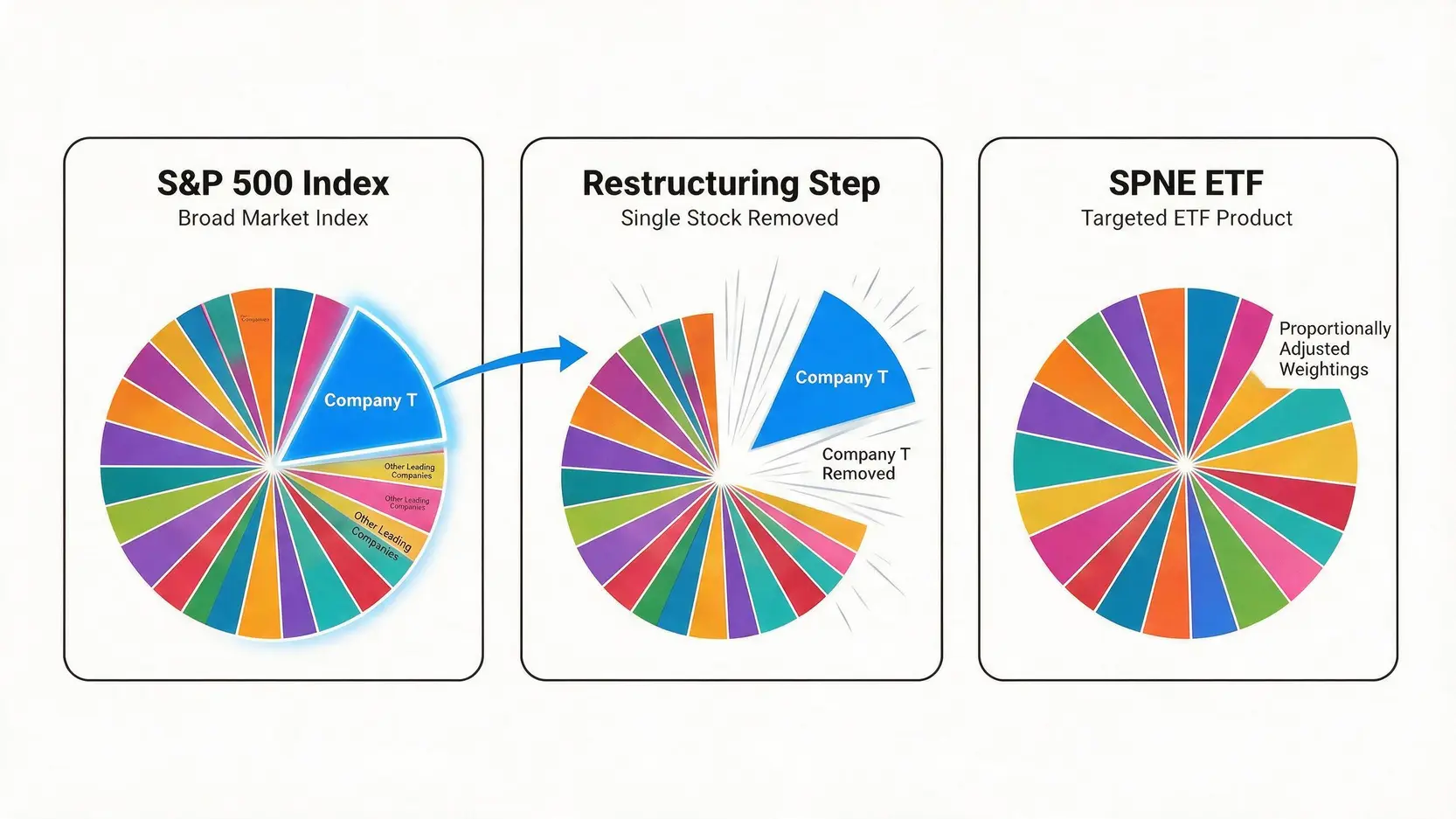
At its core, SPNE is designed to track the performance of the S&P 500 Index, but with one significant modification: the complete exclusion of Tesla Inc. (TSLA) stock. The remaining 499 companies are then re-weighted proportionally to maintain the index’s integrity. This strategy directly addresses the concerns of investors who believe Tesla’s high valuation and volatility introduce an undesirable level of risk into what is traditionally a diversified, broad-market investment.
Who Is Behind the SPNE ETF?
The SPNE ETF is a product of Direxion, a well-known issuer of leveraged and inverse ETFs. With this offering, Direxion is expanding into more nuanced, strategic-beta products that cater to specific investor demands. Their expertise in creating complex financial products provides a strong foundation for managing the re-weighting and tracking required for SPNE. For more information on their range of products, you can visit the Direxion official website.
Investment Thesis: What are the Pros and Cons of an ‘Ex-Elon’ ETF Strategy?
Adopting a strategy that excludes one of the market’s most prominent stocks is a bold move. Understanding the potential benefits and drawbacks is critical before considering an investment in the SPNE ETF. The central question is whether the benefits of de-risking from Tesla outweigh the potential for missing out on its future growth.
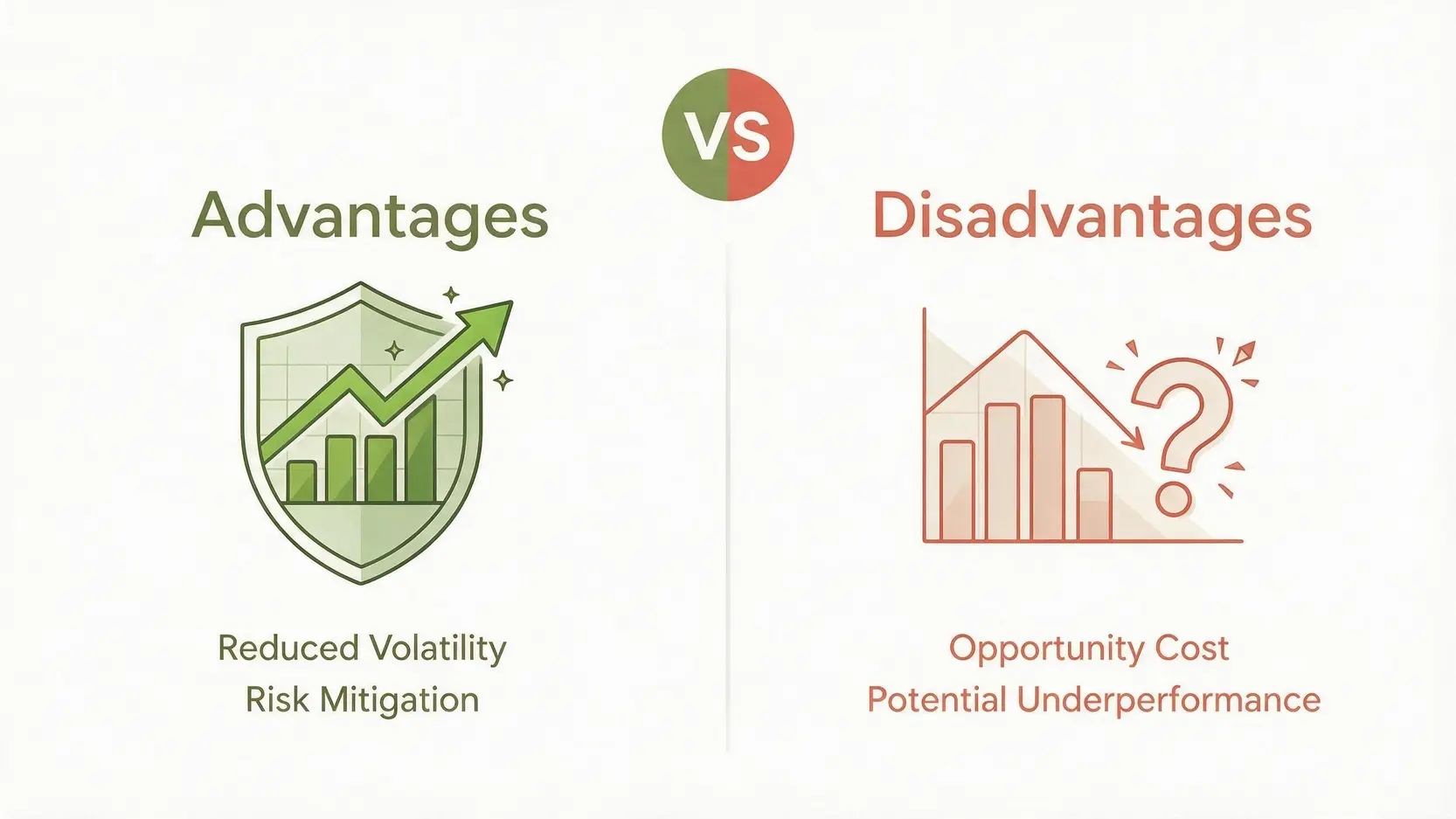
Potential Advantages: Reducing Volatility and Single-Stock Risk
The primary argument for SPNE is risk mitigation. Tesla is known for its extreme price swings, driven by everything from production numbers to Elon Musk’s social media activity. By removing this single stock, which at times has held a significant weight in the S&P 500, investors can potentially achieve a smoother ride. This approach serves as a form of built-in tail risk hedging against any sudden, sharp downturns in Tesla’s stock price. For investors who are otherwise bullish on the US economy but bearish on Tesla, SPNE offers a targeted solution without having to short TSLA directly.
Potential Disadvantages: The Risk of Underperforming the S&P 500
The most significant risk is opportunity cost. For years, Tesla has been a primary driver of the S&P 500’s returns. By excluding it, investors in SPNE will underperform the standard S&P 500 (as tracked by ETFs like VOO or SPY) during periods when Tesla’s stock is rising faster than the rest of the market. This is not a fund for those who believe in Tesla’s long-term growth story. It is a tactical tool, and like all tactical tools, it can underperform if the underlying thesis proves incorrect.
A Deeper Look: SPNE ETF Holdings and Performance Impact
To truly evaluate SPNE, one must look beyond the concept and analyze the practical implications for its holdings and potential performance. Understanding what is ‘under the hood’ is key to making an informed decision about this unique ETF.
What Will the SPNE ETF Hold?
The SPNE ETF will hold the other 499 stocks that constitute the S&P 500. This includes giants like Apple (AAPL), Microsoft (MSFT), Amazon (AMZN), and Nvidia (NVDA). The exclusion of Tesla means the weighting of these and all other companies in the fund will be slightly increased. For example, if Tesla represented 2% of the S&P 500, that 2% would be redistributed among the remaining 499 stocks based on their existing market capitalization, giving investors slightly more exposure to the rest of the market’s leaders.
Analyzing the Historical Impact of Removing Tesla from the S&P 500
Backtesting a strategy like this is crucial. While past performance is not indicative of future results, analyzing historical data provides context. Studies simulating the S&P 500’s performance without Tesla have shown varied results depending on the timeframe. During Tesla’s meteoric rise, an ex-Tesla index would have significantly lagged. However, during periods of Tesla’s consolidation or decline, the ex-Tesla index would have offered superior risk-adjusted returns. This highlights the fund’s nature as a strategic bet against a single company’s continued market dominance.
Comparing SPNE to a Traditional S&P 500 ETF (like VOO or IVV)
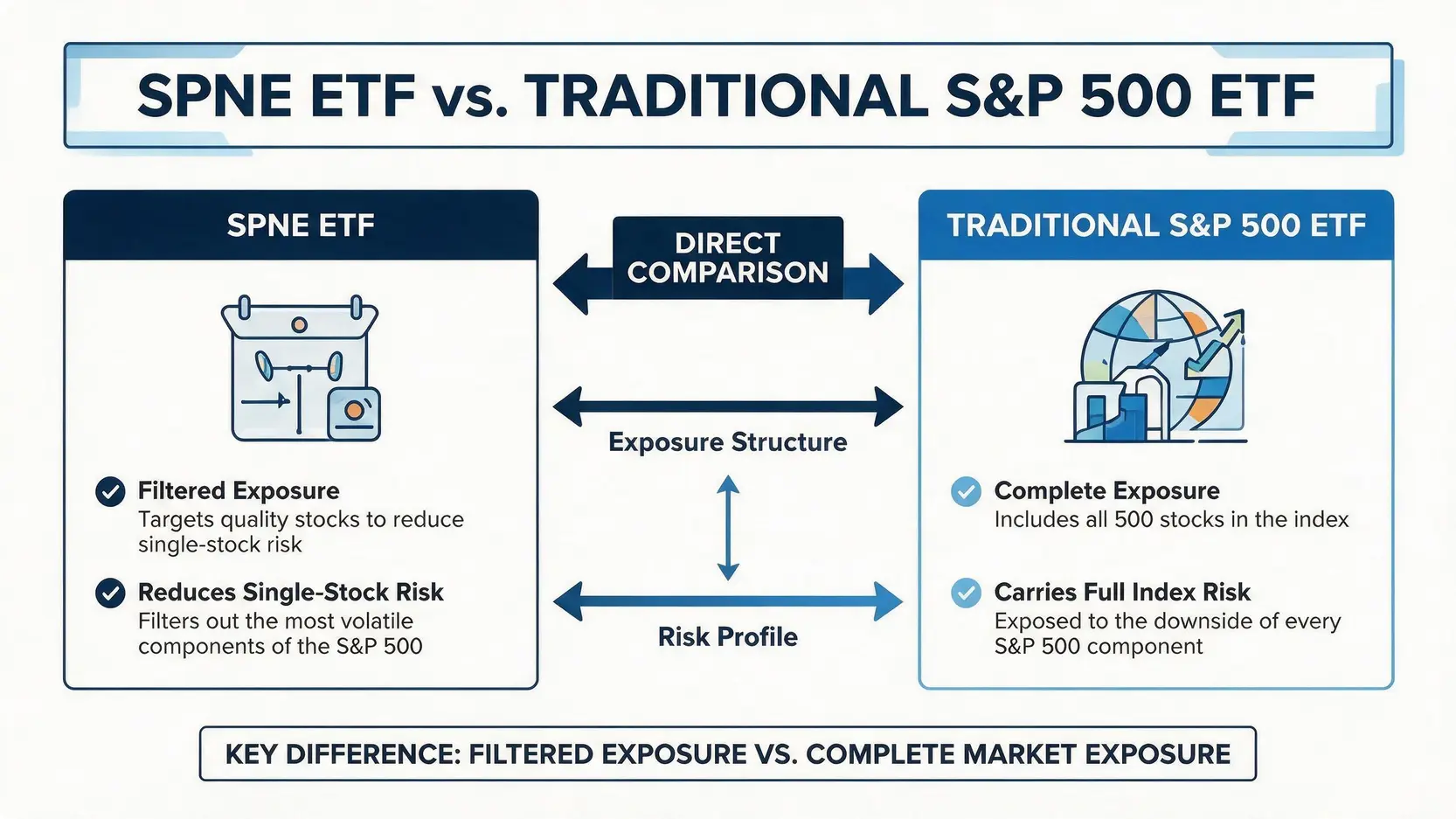
A traditional S&P 500 ETF, such as the Vanguard S&P 500 ETF (VOO) or the iShares CORE S&P 500 ETF (IVV), offers pure, unadulterated exposure to the entire index. They are passive, low-cost vehicles for capturing the performance of the broad US large-cap market. SPNE, in contrast, is an active-like strategic choice.
- Exposure: VOO/IVV provide complete market exposure, including Tesla. SPNE offers filtered exposure.
- Risk Profile: VOO/IVV carry the full concentration risk of the index. SPNE aims to reduce single-stock concentration risk from Tesla.
- Performance: VOO/IVV will perfectly track the S&P 500 (minus a tiny fee). SPNE’s performance will deviate based entirely on how Tesla performs relative to the other 499 stocks.
Who Should Consider the SPNE ETF for their portfolio?
This niche ETF is not a one-size-fits-all solution. The SPNE ETF’s unique strategy is tailored for a specific type of investor with a clear market outlook. It’s crucial to determine if you fit the profile before allocating capital, especially since its performance will differ from broad market benchmarks.
The Investor Profile: Is This Niche Fund Right for You?
The ideal investor for SPNE likely falls into one of these categories:
- The Tesla Bear / Market Bull: An investor who is optimistic about the overall health of the U.S. economy and its largest companies, but specifically believes Tesla is overvalued or faces significant headwinds.
- The Concentrated Tech Investor: Someone who already holds a large, direct position in Tesla stock and wants to buy the broader market without adding even more exposure to that single name.
- The Risk-Averse Indexer: A portfolio manager or individual who finds the volatility of a single name like Tesla to be inappropriate for their risk tolerance and seeks a more traditionally diversified index fund.
How to Evaluate SPNE Before Buying
Before the SPNE ETF launch date arrives, due diligence is essential. Here’s what to look for:
- Expense Ratio: Check the final prospectus for the official expense ratio. A higher fee than traditional index funds must be justified by the strategy’s value.
- Tracking Error: Once it launches, monitor the fund’s tracking error relative to a custom S&P 500 ex-Tesla benchmark.
- Liquidity: Observe the daily trading volume in the weeks following the launch to ensure there is sufficient liquidity to enter and exit positions without significant slippage.
Conclusion
The SPNE ETF offers a novel and highly specific approach for investors looking to tailor their S&P 500 exposure. By surgically removing one of the index’s most volatile and discussed components, it provides a unique tool for risk management and portfolio customization. While the highly anticipated SPNE ETF launch date draws near, it is crucial for potential investors to weigh the benefits of volatility reduction against the very real risk of underperforming a market where Tesla continues to play a significant role. Ultimately, SPNE is a testament to the increasing demand for specialized investment vehicles, but its success in a portfolio requires a clear-eyed understanding of its targeted, and therefore limited, strategy.
Frequently Asked Questions (FAQ)
Q: When is the exact SPNE ETF launch date?
A: The SPNE ETF is expected to launch in the third quarter of 2026, pending final regulatory approval. The issuer, Direxion, will announce the specific date closer to that time. It’s best to check their official press releases for the most accurate information.
Q: What is the expense ratio for the SPNE ETF?
A: The official expense ratio will be detailed in the fund’s prospectus upon launch. Given its unique strategy, it is expected to be slightly higher than traditional S&P 500 ETFs like VOO or SPY. Analysts anticipate a fee in the range of 0.15% to 0.25%.
Q: Will the SPNE ETF exclude other Elon Musk companies like SpaceX?
A: No. The SPNE ETF’s methodology is specific to the S&P 500 index. It only excludes Tesla (TSLA) because it is a component of that index. It will not exclude companies that are not in the S&P 500, such as SpaceX, which remains a privately held company as of 2026.
Q: Is SPNE a good replacement for a core S&P 500 holding?
A: For most investors, SPNE is better viewed as a tactical tool or a supplementary holding rather than a core replacement. Standard S&P 500 ETFs provide complete, unbiased market exposure. SPNE introduces an active bet against a single, large component of that market, which may not be suitable for a foundational portfolio position.