Table of Contents
Understanding SpaceX’s Current Status: Is an IPO Happening in 2026?
With constant speculation surrounding its valuation and future, many investors are focused on the SpaceX stock forecast 2026. As of mid-2026, the landscape has dramatically shifted. After years of operating as a private behemoth, SpaceX has officially filed its S-1 registration with the Securities and Exchange Commission, signaling that a public offering is no longer a distant dream but an imminent reality. This analysis provides a comprehensive breakdown of the key drivers, potential risks, and data-driven bull and bear scenarios to project SpaceX’s future value following its highly anticipated IPO.
The Current State: Why SpaceX Remained Private For So Long
For over two decades, CEO Elon Musk staunchly defended SpaceX’s private status. The rationale was clear: to pursue an audacious, long-term mission—making humanity a multi-planetary species—without the quarterly pressures and short-term focus of public markets. This strategy allowed SpaceX to invest heavily in disruptive technologies like reusable rockets and the Starship program, accepting spectacular failures as part of the innovation process. Remaining private gave Musk and his team the operational freedom to prioritize engineering milestones over shareholder dividends, a crucial element in their success to date.
Analyzing the Persistent IPO Rumors and Confirmed Timeline
The whispers of a SpaceX IPO have been a market constant for years, intensifying with each successful Falcon 9 launch and Starlink satellite deployment. However, 2026 marks the turning point. Several factors have converged to make a public offering strategically advantageous. Firstly, the Starlink constellation has matured into a significant revenue generator, providing the kind of predictable cash flow that public investors prize. Secondly, the capital requirements for scaling Starship production and funding the Mars colonization vision are astronomical. An IPO provides access to a much deeper pool of capital than private funding rounds. With the confidential filing complete, market analysts now project a listing on the Nasdaq exchange before the end of Q3 2026, setting the stage for one of the largest public debuts in history.
Core Pillars Driving the 2026 Valuation and Stock Price Prediction
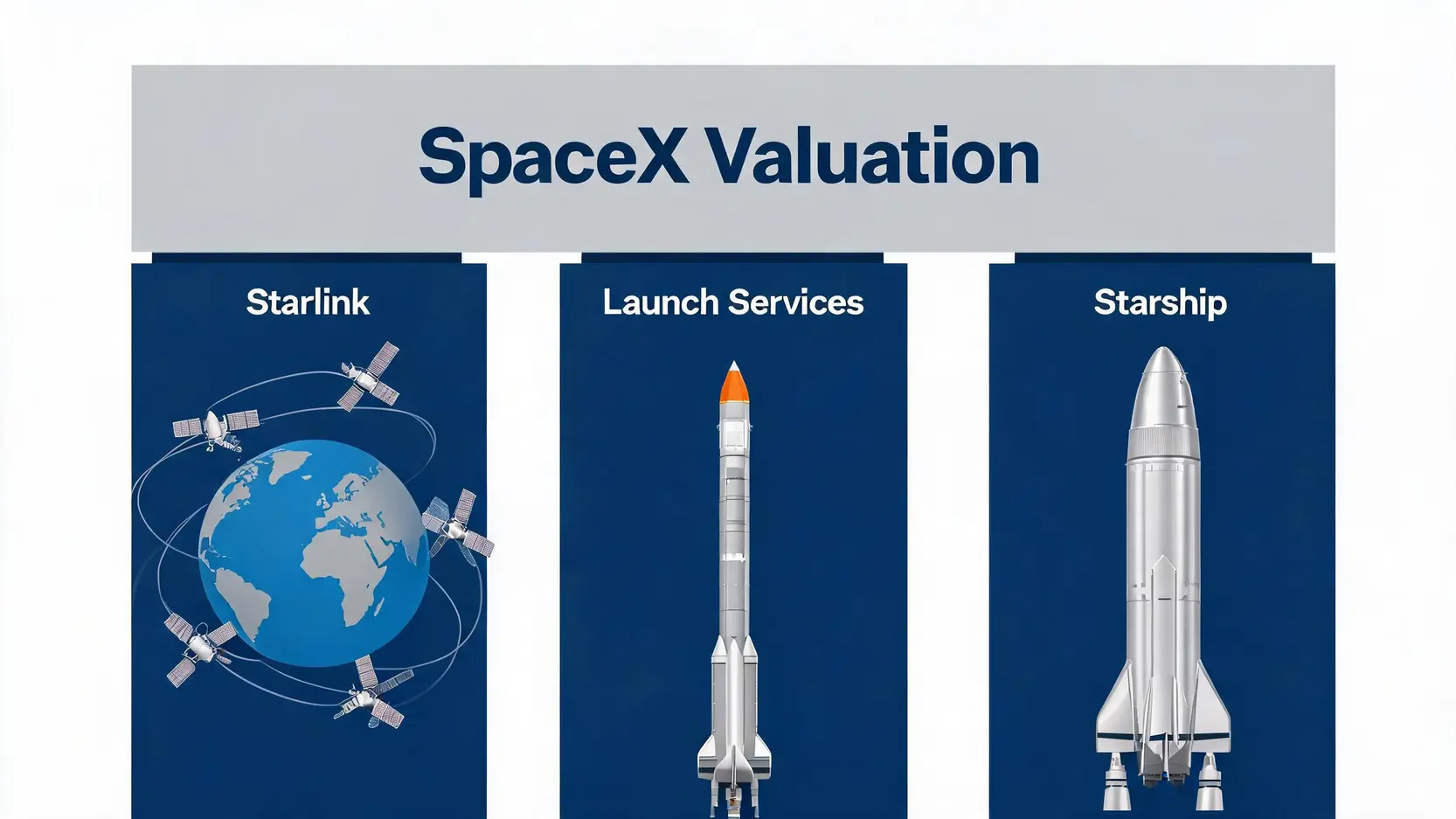
SpaceX’s valuation is a composite of three distinct but interconnected business units. Understanding each pillar is fundamental to developing a realistic stock price prediction. These pillars represent a blend of established, cash-generating operations and high-risk, high-reward ventures that capture the market’s imagination.
Starlink’s Growth Trajectory: Subscribers and Profitability Forecast
Starlink is the engine of SpaceX’s current financial growth. As of Q1 2026, the satellite internet service has surpassed 10.3 million active subscribers globally. Financial disclosures within the S-1 filing reveal that Starlink generated over $11 billion in revenue in 2025 and is on a clear path to profitability in 2026. Projections indicate a subscriber base exceeding 15 million by year-end, driven by expansion into new markets and enterprise-level contracts with aviation and maritime industries. This recurring revenue stream provides a stable foundation for the entire company, making the overall SpaceX stock forecast significantly more attractive to institutional investors.
Starship’s Mission Success: Impact on Launch Costs and Mars Colonization
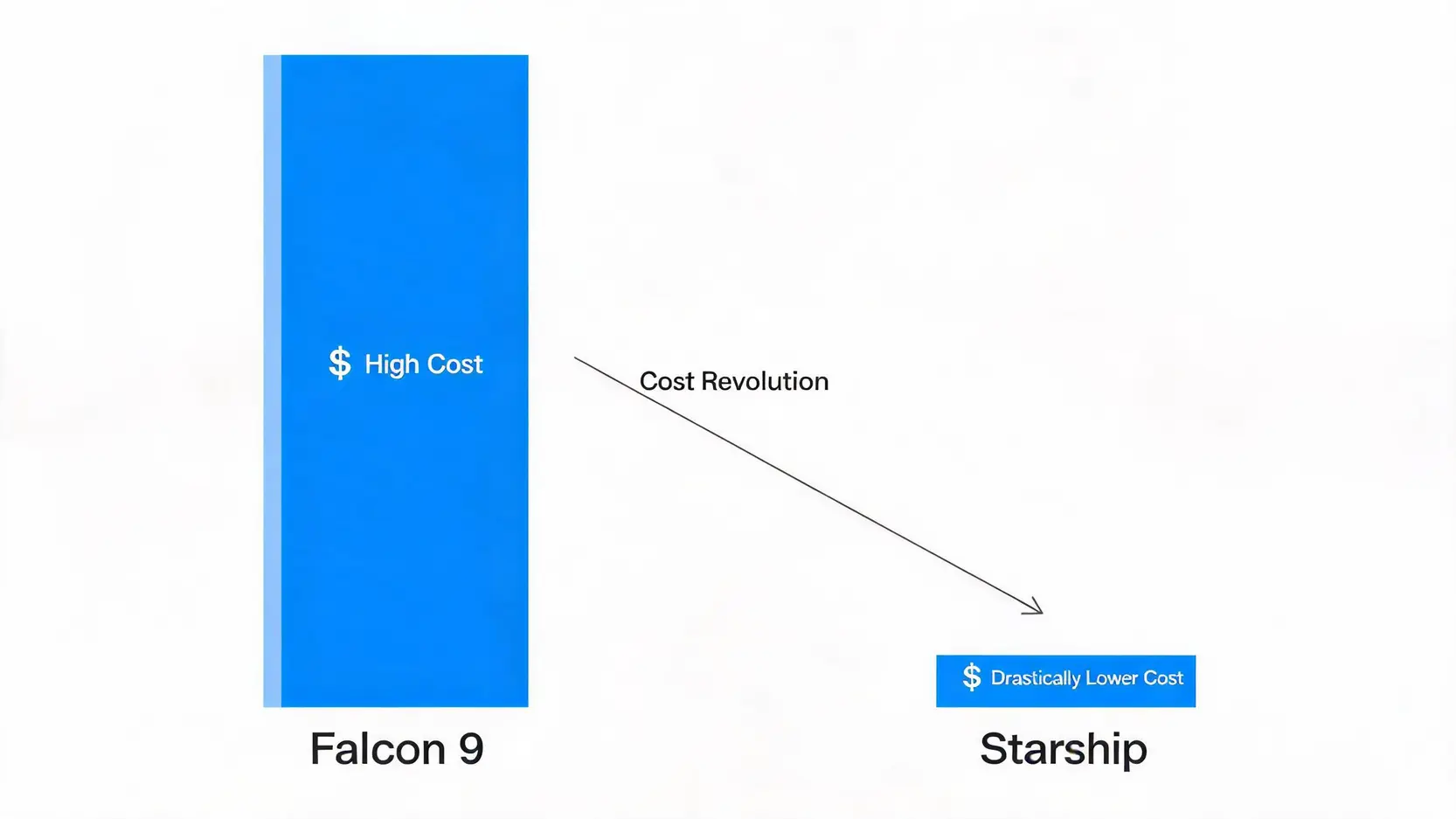
If Starlink is the engine, Starship is the warp drive. This fully reusable super-heavy-lift launch vehicle is the cornerstone of SpaceX’s long-term ambitions. Following a series of successful orbital test flights in late 2025 and early 2026, Starship is poised to revolutionize the launch industry. Its capability to deliver over 150 metric tons to low Earth orbit at a fraction of the cost of the Falcon 9 will render all existing launch vehicles obsolete. The S-1 filing confirms that Starship is scheduled for its first commercial payload delivery in the second half of 2026. Its success is the primary variable in the most optimistic valuation models, as it unlocks not just cheaper satellite deployment but also lunar missions for NASA’s Artemis program and the eventual colonization of Mars.
Dominance in Commercial & Government Launch Contracts
While Starlink and Starship represent the future, SpaceX’s Falcon 9 and Falcon Heavy rockets are the dominant workhorses of the present. The company holds an estimated 70% share of the global commercial launch market. Its reliability and cost-effectiveness have made it the go-to provider for both private satellite operators and government agencies like NASA and the U.S. Space Force. This segment provides a reliable, high-margin revenue stream that funds the research and development of more ambitious projects. This existing dominance creates a significant competitive moat and provides a solid, defensible floor for the company’s valuation.
SpaceX Stock Forecast 2026: A Scenario-Based Analysis
Forecasting the stock price of a company as disruptive as SpaceX requires a scenario-based approach. The valuation gap between the bull and bear cases is substantial, reflecting the immense potential and significant risks inherent in its business model. Here, we analyze the competitor gap and synthesize market data to frame these scenarios.
The Bull Case: What Needs to Go Right for a >$500B Valuation
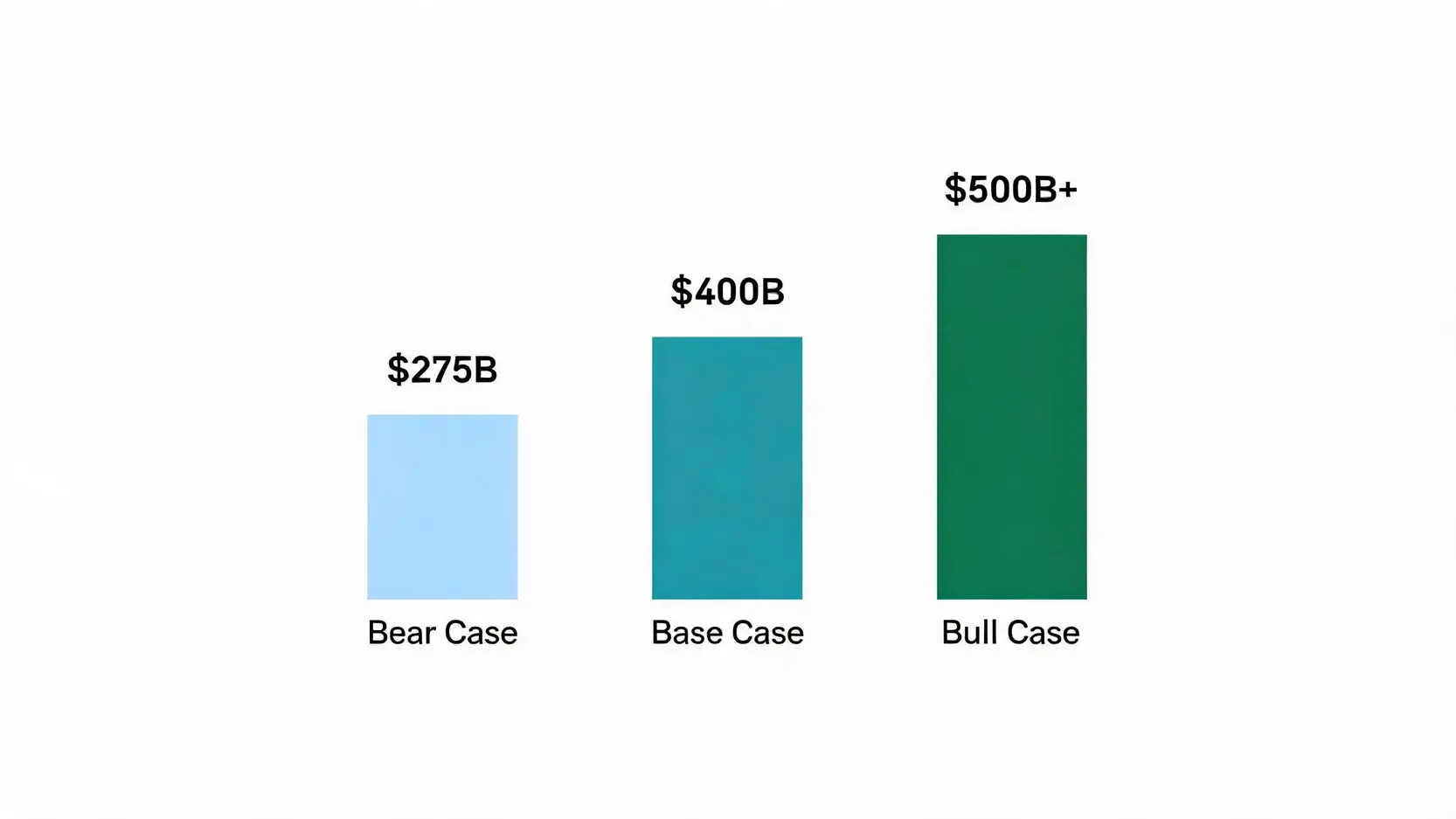
A valuation exceeding $500 billion post-IPO is the bull case scenario. For this to materialize, several key milestones must be met in 2026:
- Starlink Profitability: The segment must achieve positive net income, proving its business model is sustainable and scalable.
- Starship Orbital Delivery: The first commercial Starship mission must be successful, demonstrating its readiness to replace the Falcon 9.
- Subscriber Growth: Starlink must maintain its current growth trajectory, reaching or exceeding 15 million subscribers.
- Market Sentiment: The broader market must remain bullish on high-growth technology stocks, allowing SpaceX to command a premium valuation multiple.
Prominent tech investors, such as ARK Invest, have published models suggesting a valuation of over $1.75 trillion is possible in this scenario, driven by the disruptive potential of a fully operational Starship fleet.
The Bear Case: Potential Setbacks and a Conservative Valuation
The bear case points to a more conservative valuation, likely in the $250-300 billion range, which is closer to its last private market valuation. This scenario could be triggered by:
- Starship Delays: A significant anomaly or failure during a key test flight could push the operational timeline back by 12-18 months.
- Slowing Growth: Starlink subscriber acquisition could slow as it saturates initial markets, raising questions about its total addressable market.
- Competitive Pressure: Competitors like Blue Origin’s New Glenn rocket could achieve operational status, eroding SpaceX’s launch monopoly.
- Regulatory Scrutiny: Increased regulatory oversight from the FAA regarding launch frequency or from the FCC regarding satellite deployment could create headwinds.
Synthesizing Analyst Projections and Pre-IPO Market Data
Synthesizing these views, the most probable base-case valuation for the SpaceX IPO lands in the $375-425 billion range. This reflects the de-risking of the Starlink business model while acknowledging the remaining execution risks for the Starship program. Pre-IPO secondary market data from platforms like Forge Global showed shares trading at levels that implied a valuation of around $250 billion in late 2025, but the confirmation of the IPO has since ignited significant new interest. The final IPO price will ultimately depend on the investor roadshow and prevailing market conditions.
Major Headwinds and Risks on the Horizon for SpaceX’s Valuation
Despite its formidable successes, SpaceX operates in an environment fraught with technical, competitive, and regulatory challenges. Acknowledging these headwinds is crucial for a balanced SpaceX stock forecast. These risks represent the primary arguments of the bear case and could significantly impact the company’s long-term trajectory.
Intensifying Competition from Blue Origin, ULA, and Rocket Lab
While SpaceX is the current market leader, it is not without challengers. The competitive landscape is heating up:
- Blue Origin: Jeff Bezos’s company is developing the New Glenn, a heavy-lift reusable rocket designed to compete directly with Falcon 9 and Starship.
- United Launch Alliance (ULA): A joint venture of Boeing and Lockheed Martin, ULA’s new Vulcan Centaur rocket is a formidable competitor for lucrative government and military contracts.
- Rocket Lab: This company has established itself as a leader in the small satellite launch market and is developing a larger, reusable rocket named Neutron.
This increasing competition could put pressure on launch pricing and margins in the coming years.
Regulatory Hurdles and Geopolitical Factors
SpaceX’s operations are subject to a complex web of regulations. The Federal Aviation Administration (FAA) must license every launch, and environmental reviews can lead to delays. The Federal Communications Commission (FCC) governs the deployment and operation of the Starlink satellite constellation. Furthermore, as a key national security contractor, SpaceX’s operations are intertwined with U.S. geopolitical interests, which can create both opportunities and risks.
The Inherent Risks of Space Exploration and Technology
At its core, spaceflight is an incredibly difficult and risky endeavor. The industry term “Rapid Unscheduled Disassembly” is a euphemism for a rocket explosion. A catastrophic failure involving a crewed mission or a high-value satellite could have severe financial and reputational consequences. The technological risks associated with developing Starship and landing humans on Mars are unprecedented, and there is no guarantee of success on the ambitious timelines Musk has set out.
How to Gain Exposure to SpaceX Before a Potential IPO
For years, gaining direct investment exposure to SpaceX was the exclusive domain of venture capitalists and institutional investors. However, savvy investors found alternative methods to participate in its growth story. Understanding these pre-IPO avenues provides context for the immense retail demand expected for the public offering.
Investing Through Pre-IPO Secondary Markets
Platforms like Forge Global and EquityZen created a secondary market for shares of high-growth private companies. These markets allowed accredited investors and company employees to buy and sell shares before an IPO. While these transactions often came with high minimums and limited liquidity, they provided an early entry point. Trading on these platforms helped establish the private market valuation that serves as a benchmark for the upcoming IPO.
Proxy Investing: Key Suppliers and Publicly Traded Partners
Another strategy involves “proxy investing”—buying shares of publicly traded companies that are heavily exposed to SpaceX’s success. The most notable example is Alphabet (GOOGL), which made a significant investment in SpaceX in 2015. While the investment is a small fraction of Alphabet’s total value, it provided a degree of public market exposure. Other proxies include suppliers of specialized materials or components, though identifying these and gauging the true extent of their dependence on SpaceX can be challenging. For those interested in alternative investment routes, exploring a detailed guide to pre-IPO investing can provide valuable insights.
Conclusion
In summary, our SpaceX stock forecast for 2026 is cautiously optimistic, anchored by the proven success of the Falcon launch business and the rapidly scaling Starlink internet service. The imminent IPO will unlock the next chapter of the company’s growth, but the ultimate long-term value hinges on the flawless execution of the ambitious and revolutionary Starship program. While the potential for immense growth is undeniable, investors must weigh the significant technical, competitive, and regulatory risks. Whether participating in the IPO or investing in the secondary market, understanding these distinct bull and bear scenarios is crucial for making an informed decision about one of the most transformative companies of this century.
Frequently Asked Questions
Q: What is the most realistic SpaceX stock price prediction for 2026?
A: Based on a synthesized analysis of its divisions and market conditions, a base-case valuation for the 2026 IPO is in the $375-425 billion range. This translates to a potential initial stock price of $135-$150 per share, depending on the final number of shares offered. The bull case sees this valuation exceeding $500 billion, while the bear case places it closer to $300 billion.
Q: Will SpaceX have an IPO before the end of 2026?
A: Yes. As of mid-2026, SpaceX has officially filed its S-1 registration statement with the SEC. Market analysts and investment banks underwriting the deal project a public listing on the Nasdaq exchange before the end of the third quarter of 2026.
Q: How does Starlink’s valuation contribute to the overall SpaceX forecast?
A: Starlink is a critical component of the overall valuation. Its recurring revenue from over 10 million subscribers provides a stable, predictable cash flow that justifies a significant portion of the company’s baseline value. Analysts see Starlink as the financial engine that funds the more speculative, long-term Starship project, making the entire company a more attractive investment.
Q: Is SpaceX profitable?
A: While the consolidated company is not yet profitable due to massive R&D spending on Starship, the S-1 filing indicates that its established launch services division is highly profitable. Furthermore, the Starlink segment is projected to achieve operational profitability for the first time in 2026, a key milestone for the company’s financial maturation.
Q: Who are SpaceX’s biggest competitors?
A: SpaceX’s primary competitors in the launch market include Blue Origin (with its upcoming New Glenn rocket), United Launch Alliance (ULA, a joint venture between Boeing and Lockheed Martin), and, in the small satellite sector, Rocket Lab. In the satellite internet space, its main rivals are Viasat, HughesNet, and Amazon’s Project Kuiper.