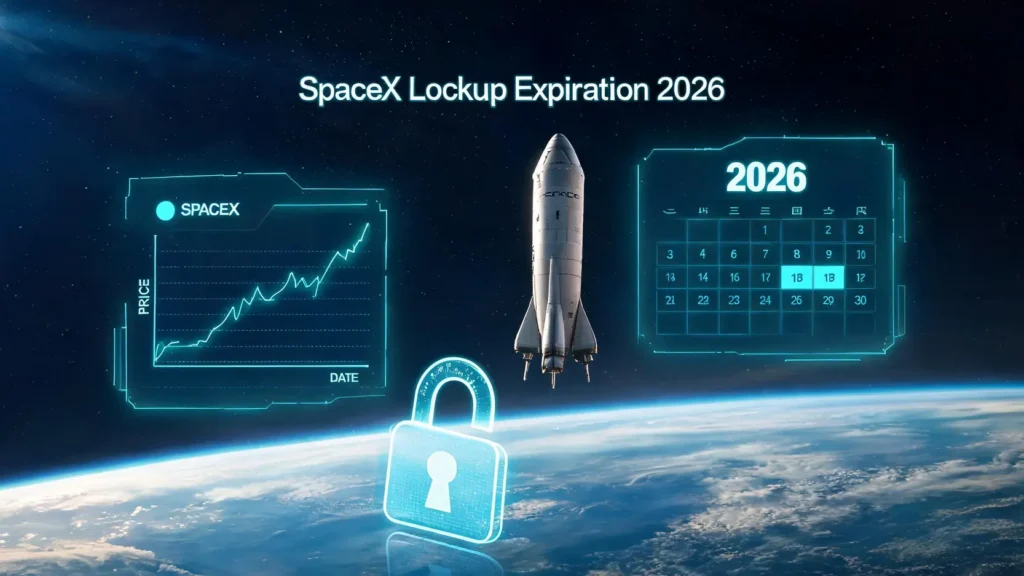
As SpaceX advances into its highly anticipated post-IPO phase in 2026, all eyes are on the upcoming SpaceX lockup expiration dates 2026. This is not a typical market event. Unlike standard IPOs with a single lockup expiry, the company has implemented a SpaceX’s unique tiered lockup system, creating a series of critical dates that could significantly impact the SpaceX stock price. For investors, understanding this complex schedule is not just advisable—it’s essential for navigating potential volatility and identifying strategic opportunities. This guide provides a definitive breakdown of the key dates, an analysis of the tiered structure, and a clear playbook for investors.
Table of Contents
What is a Stock Lockup Period and Why Does It Matter for SpaceX Investors?
A stock lockup period is a contractually obligated timeframe following a company’s Initial Public Offering (IPO) during which insiders—such as founders, employees, and early investors—are prohibited from selling their shares. The primary purpose is to ensure a stable and orderly market for the newly listed stock, preventing a massive sell-off that could collapse the share price.
The Purpose of a Standard 180-Day Lockup
In a typical IPO, a 180-day lockup period is the market standard. This six-month window serves several key functions:
- Price Stability: It prevents an immediate flood of supply onto the market, which would create immense downward pressure on the stock price.
- Investor Confidence: It signals to the public market that the company’s insiders are confident in its long-term prospects and are not simply looking for a quick exit.
- Orderly Market Creation: It allows the stock to establish a trading history and a more stable valuation based on public demand and financial performance before a large volume of shares becomes available.
How Lockup Expirations Typically Affect Stock Prices
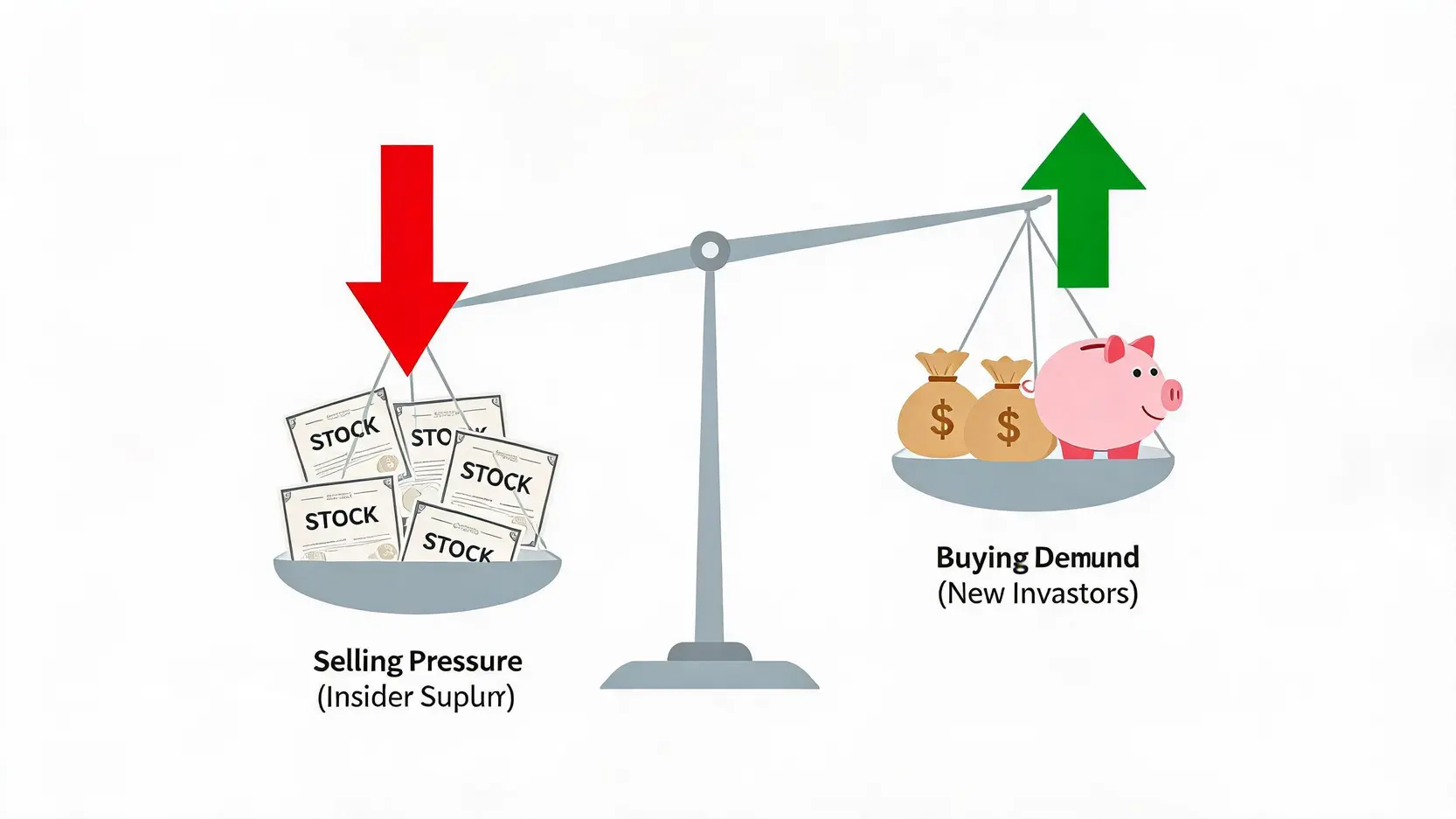
Historically, the expiration of a lockup period is a highly scrutinized event. The market often anticipates a surge in selling pressure as insiders finally gain liquidity. Research consistently shows that a company’s stock price tends to experience a temporary dip around the expiration date. As documented in studies on IPO performance around lock-up expiration, the sudden increase in the supply of tradable shares can lead to significant, albeit often short-term, price declines. This is a critical factor for new investors to consider when timing their entry points.
Decoding SpaceX’s Unique Tiered Lockup Structure for 2026
SpaceX has sidestepped the traditional single-date lockup in favor of a more complex, tiered system. This approach is designed to manage the release of shares into the market more gradually, potentially mitigating the extreme price shocks associated with standard lockup expirations. For investors, this means tracking multiple dates and understanding the specific tranche of shares being released at each stage.
How SpaceX’s Rolling Schedule Differs from a Traditional IPO
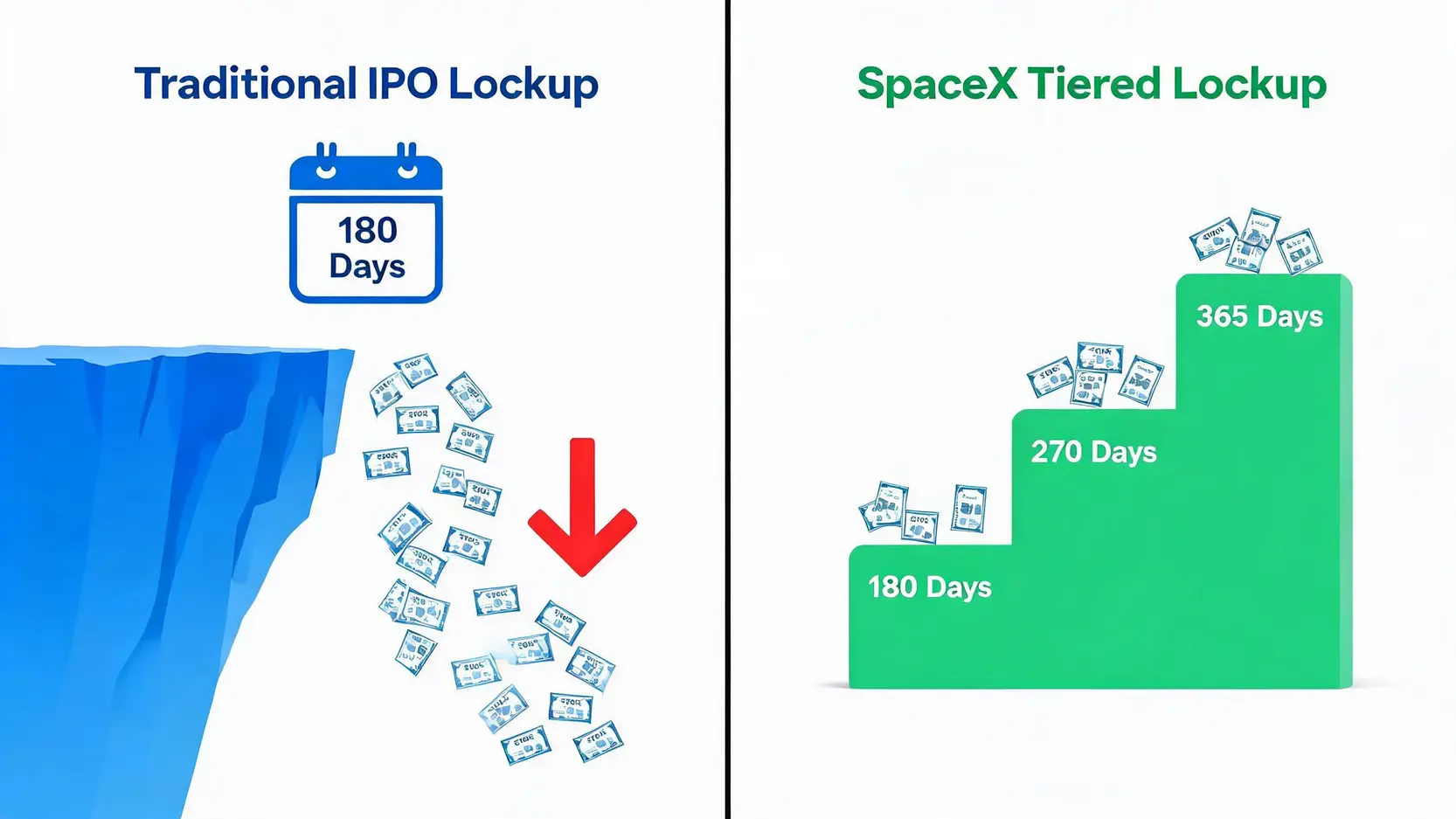
Instead of a single 180-day cliff, SpaceX’s structure unlocks shares in stages. This tiered system is reportedly based on a combination of employee tenure and the specific funding round an investor participated in pre-IPO. For instance:
- Early-Stage Investors & Founders: May have the longest lockup periods, extending beyond 12 months, to signal ultimate confidence.
- Series G/H Investors: Might be subject to a 270-day lockup.
- Long-Tenured Employees (10+ years): Could have a portion of their shares unlocked at 180 days, with the remainder vesting over subsequent quarters.
- Newer Employees: May have a standard 180-day lockup on vested shares.
This method transforms a single high-impact event into a series of smaller, more manageable market tests. It provides the market with more time to absorb the new supply of shares, though it also creates a prolonged period of potential uncertainty. An effective IPO investment strategy must account for this staggered release.
The Official 2026 SpaceX Lockup Expiration Calendar: Key Dates to Watch
Below is the projected calendar of key SpaceX lockup expiration dates for 2026. These dates are critical for any investor holding or considering a position in SpaceX stock. 🗓️
| Expiration Date | Share Tranche & Insider Group | Potential Market Impact |
|---|---|---|
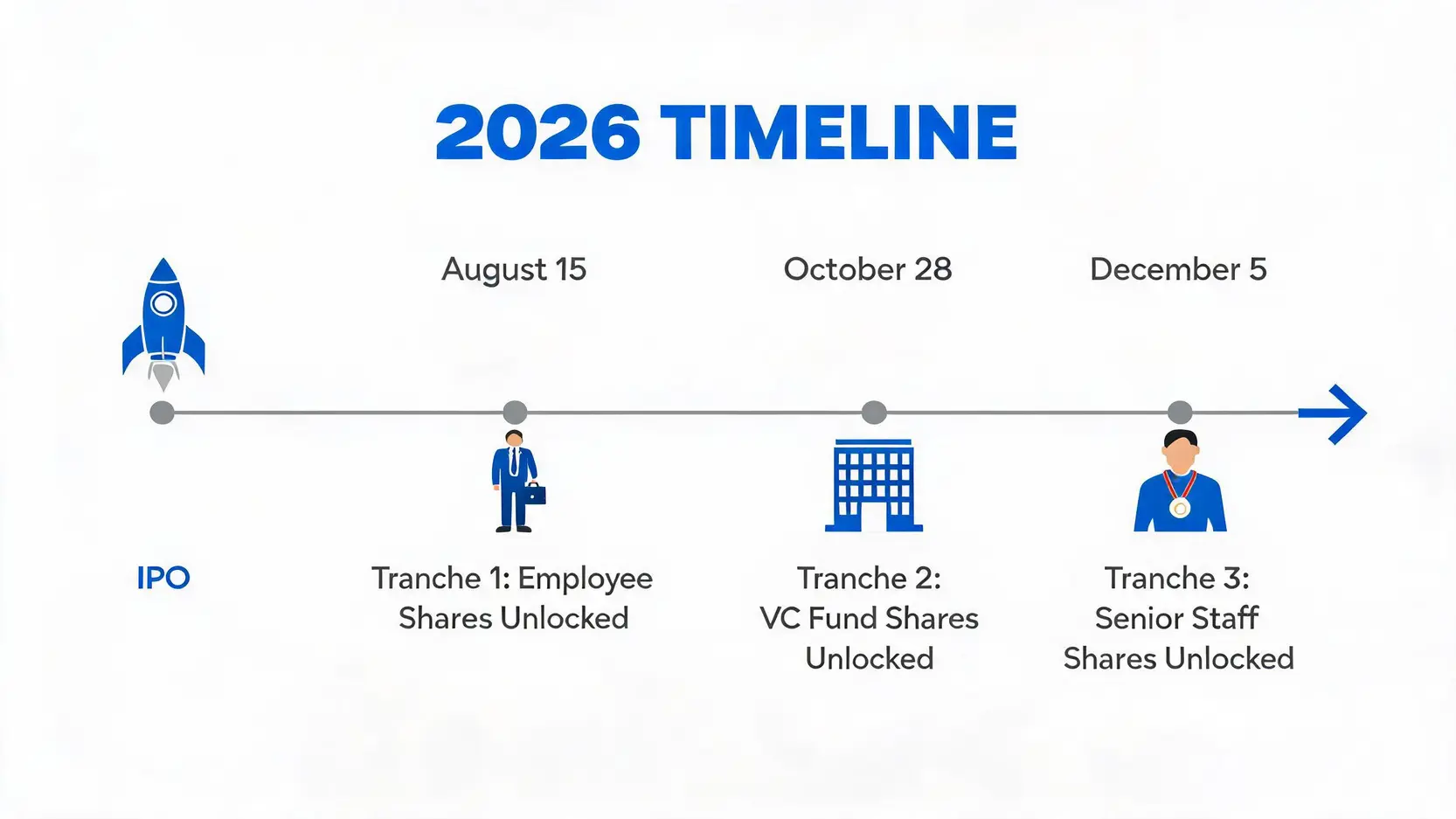
| August 15, 2026 | Tranche 1: 25% of shares from employees with 5-10 years of tenure. | Moderate. This is the first major test. Expect heightened volatility as the market gauges the selling appetite of the first employee group. |
| October 28, 2026 | Tranche 2: Shares from select late-stage venture capital funds (Series H). | High. These institutional investors may be under pressure to realize profits for their limited partners, potentially leading to a significant, coordinated sale. |
| December 5, 2026 | Tranche 3: 50% of shares from long-tenured employees (10+ years). | High. This group holds a substantial number of shares at a very low cost basis. Their decision to sell or hold will be a major signal to the market. |
Investor Playbook: Strategies for the 2026 Expirations
Navigating the SpaceX stock unlock requires a tailored strategy. Whether you are an employee stockholder or a new investor, preparing for these dates is paramount. The goal is to avoid emotional decisions and capitalize on predictable market mechanics.
For Employee Stockholders: When and How to Strategize Your Sale?
For employees with vested shares, the expiration dates bring long-awaited liquidity. However, a haphazard selling strategy can be costly. Consider the following:
- Diversification Goals: Avoid being over-concentrated in one stock, even one as promising as SpaceX. Determine a percentage of your holdings to sell to diversify your portfolio.
- Tax Planning: Consult with a financial advisor to understand the tax implications of your sale (short-term vs. long-term capital gains).
- Phased Selling: Do not sell your entire allotment on day one. Consider a phased approach, selling portions of your shares over several days or weeks to average out your sale price and reduce the impact of initial volatility.
For New Investors: Identifying Potential Buying Opportunities
For those looking to initiate or add to a position, the lockup expiration periods can present compelling entry points. A dip in price does not necessarily reflect a change in the company’s fundamentals.
-
- Monitor Trading Volume: A spike in volume is expected. Watch to see if the increased supply is met with strong buying demand. If the price holds steady or recovers quickly on high volume, it’s a bullish sign.
- Set Limit Orders: Instead of buying at the market price amidst volatility, use limit orders to define the price you are willing to pay. Set your target prices below the current trading level ahead of the expiration dates.
- Fundamental Analysis: Re-evaluate SpaceX’s fundamentals. Is the long-term growth story still intact? A temporary price drop due to technical supply issues can be a gift if the underlying business remains strong.
Key Risks to Consider Before and After the Lockup Dates
While opportunities exist, the risks are real. The primary risk is sustained selling pressure. If insiders continue to sell heavily after the initial expiration day, it could create a prolonged downtrend. Furthermore, negative news or a market downturn coinciding with a lockup expiration could amplify the price drop. It is crucial to stay informed and manage risk through proper position sizing and an understanding of market volatility.
Conclusion
Navigating the SpaceX lockup expiration dates in 2026 requires a deeper level of analysis than a standard IPO. The company’s unconventional tiered structure presents both unique risks and distinct opportunities. By marking the key expiration dates on your calendar, understanding which insider group is selling, and having a clear strategy, you can prepare for the inevitable market volatility. Whether you are an insider planning for liquidity or an investor seeking an entry point, staying informed and disciplined will be the key to making the most of this landmark financial event in SpaceX’s history.
Frequently Asked Questions (FAQ)
Q: What are the confirmed SpaceX lockup expiration dates in 2026?
A: SpaceX employs a tiered lockup system. The key confirmed dates for 2026 are August 15 (for mid-tenure employees), October 28 (for certain late-stage funds), and December 5 (for long-tenured employees). Each date corresponds to a different group of insiders and a specific tranche of shares.
Q: Will the SpaceX stock price definitely drop after the lockup period ends?
A: While a price drop is common due to the sudden increase in share supply, it is not guaranteed. A strong buying demand from institutional and retail investors, positive company news, or a broad market rally could offset the selling pressure. However, investors should be prepared for heightened volatility and a potential short-term decline.
Q: How is SpaceX’s lockup different from other major tech IPOs?
A: Most tech IPOs use a standard 180-day lockup, where all insider shares become eligible for sale on a single day. SpaceX’s tiered approach releases shares in multiple, pre-scheduled tranches. This strategy is designed to smooth out the market impact and prevent the extreme price volatility often seen with a single “cliff” expiration.
Q: As an investor, what is the most important metric to watch during the expiration period?
A: Trading volume is the most critical metric. High selling volume that drives the price down sharply is a bearish signal. However, if high volume is met with price stability or a quick recovery, it indicates that the market is successfully absorbing the new shares, which is a very bullish long-term signal.