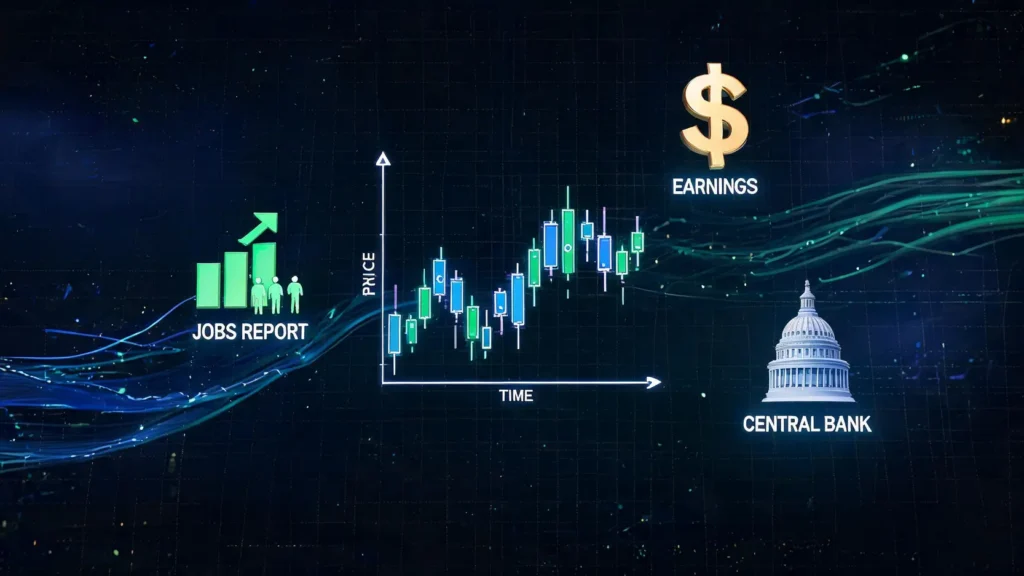
As Wall Street transitions from a volatile May, the initial focus of summer trading sharpens on the first week of June. The stock market week ahead June 2026 is set to be a crucible of critical economic data and pivotal corporate earnings. Investors are bracing for a week of significant market movement, with the monthly U.S. jobs report serving as the headline event. Understanding the key events driving stocks next week is paramount for navigating potential turbulence and identifying opportunities.
Table of Contents
Market Recap: How Did Stocks End May 2026?
To understand where we’re going, we must first assess where we’ve been. The market’s performance in the last week of May provides the immediate context for the days ahead.
S&P 500 and Nasdaq Performance Review
The final sessions of May were characterized by a tech-led rally, pushing the Nasdaq Composite to new highs while the S&P 500 consolidated its gains. The S&P 500 closed the month with a respectable gain, largely driven by enthusiasm around artificial intelligence and a handful of mega-cap technology stocks. However, breadth remained a concern, with many sectors lagging the headline indices. The Dow Jones Industrial Average showed more modest gains, reflecting ongoing investor caution about the broader economic landscape.
Key Drivers from the Previous Week
Several factors influenced market sentiment leading into June:
- Inflation Data: The Core PCE Price Index, the Federal Reserve’s preferred inflation gauge, showed a slight moderation but remained stubbornly above the central bank’s 2% target. This kept investors on edge regarding the future path of interest rates.
- Consumer Sentiment: A dip in consumer confidence figures suggested that households are becoming more cautious in the face of persistent inflation and a slowing, albeit resilient, economy.
- Geopolitical Tensions: Ongoing trade negotiations and minor escalations in international conflicts contributed to underlying volatility, particularly in the energy and materials sectors.
The Economic Calendar: Top Market-Moving Events to Watch
This week’s economic docket is packed with high-impact releases that will heavily influence market direction and Fed policy expectations. Here is the schedule of what investors need to know.
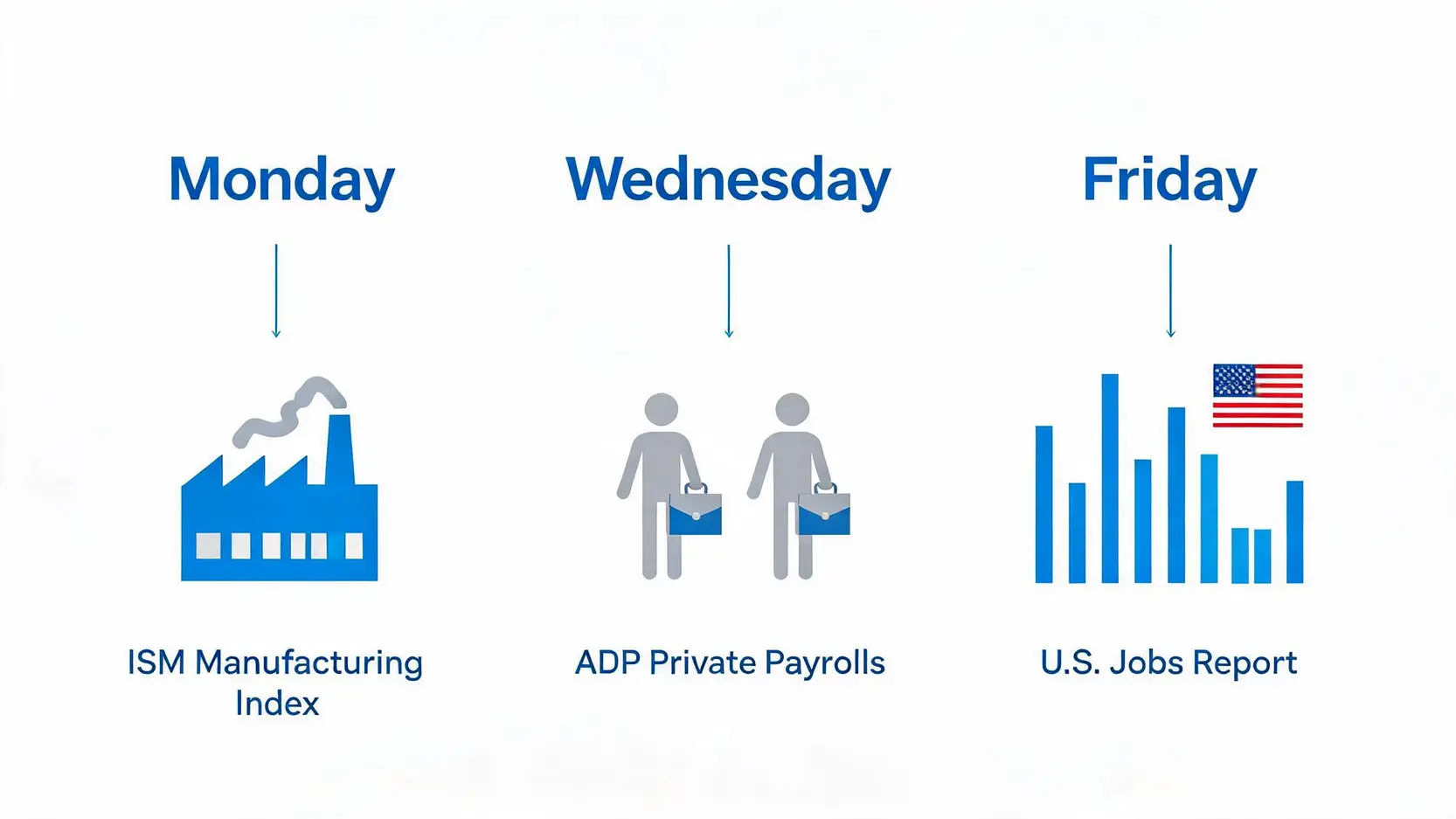
Monday: ISM Manufacturing Index
The week kicks off with the Institute for Supply Management’s (ISM) Manufacturing PMI. This report is a crucial barometer of the health of the U.S. manufacturing sector. A reading above 50 indicates expansion, while a reading below 50 signals contraction. Economists will be closely watching the sub-indexes for new orders and prices paid, as these provide forward-looking insights into economic momentum and inflationary pressures. A stronger-than-expected number could boost cyclical stocks, while a weak reading may amplify recession fears. For the most accurate data, refer to the official ISM® PMI® Reports.
Wednesday: ADP Private Payrolls
The ADP National Employment Report serves as a key preview for Friday’s official government jobs data. It measures the change in non-farm private employment and is watched closely for its potential to set the tone for the Nonfarm Payrolls release. While not always a perfect predictor, a significant beat or miss in the ADP number can cause considerable market volatility as algorithms and traders adjust their expectations for the main event.
Friday: The May Jobs Report (Nonfarm Payrolls & Unemployment Rate)
This is the main event for the stock market week ahead. The May jobs report from the Bureau of Labor Statistics will be the single most important piece of data. Here’s what to watch:
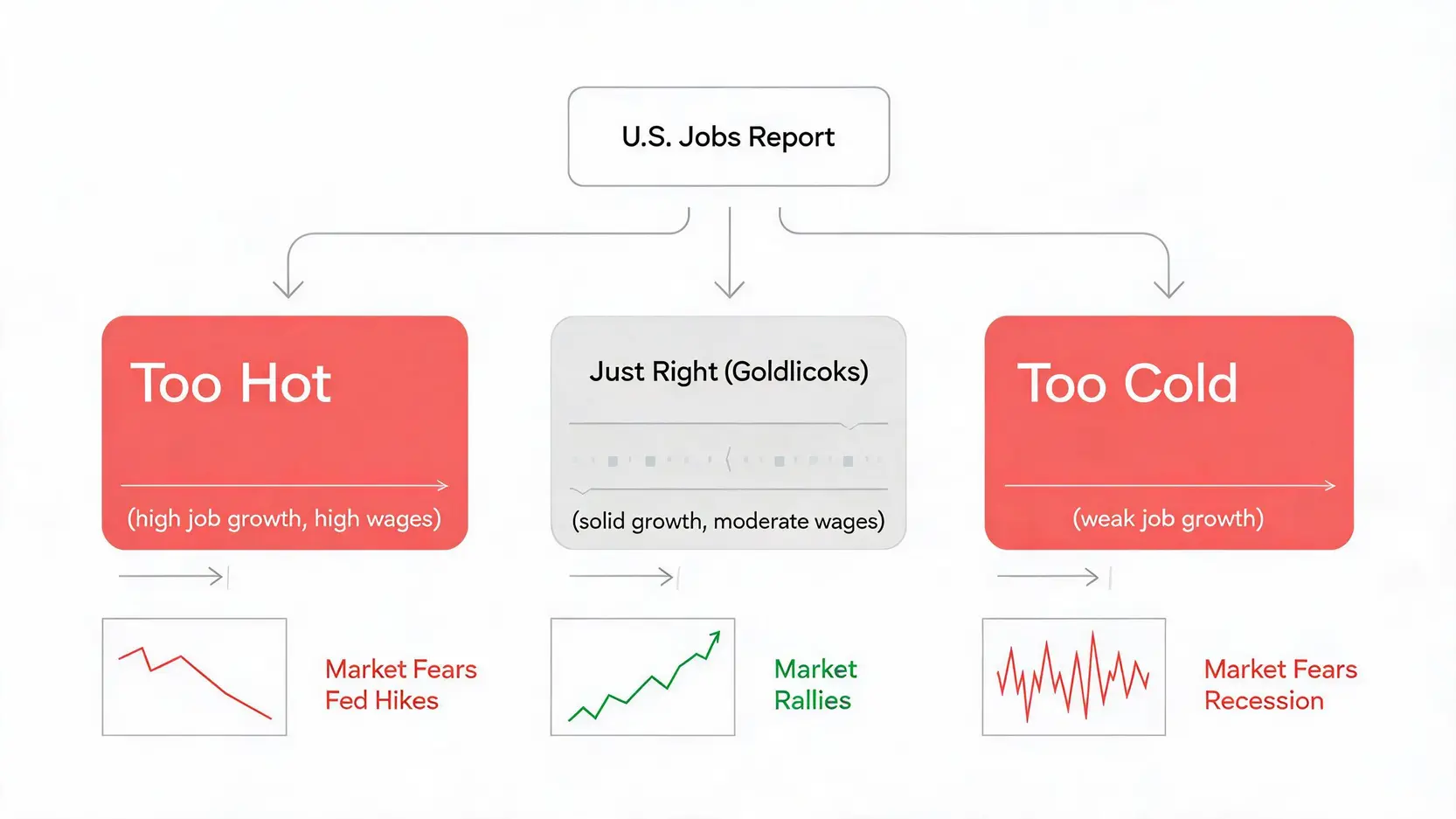
- Nonfarm Payrolls (NFP): This figure represents the number of jobs added or lost in the economy. A very strong number could be interpreted as a sign of an overheating economy, potentially forcing the Fed to maintain its hawkish stance. Conversely, a weak number could signal a cooling economy, raising hopes for a more dovish Fed but also stoking recessionary fears.
- Unemployment Rate: This metric provides a snapshot of the labor market’s tightness. A low unemployment rate is generally positive but can also contribute to wage inflation.
- Average Hourly Earnings: This is a critical inflation indicator. A rapid increase in wages can fuel inflation, putting pressure on the Fed to keep rates higher for longer. The dynamic interplay of this data heavily influences investor sentiment, as explained in the guide on how the US Dollar Index and Unemployment Data are linked.
Key Corporate Earnings Reports to Watch This Week
While the macroeconomic picture is vital, individual company performance remains a core driver of stock prices. This week brings a few notable earnings reports that could sway sector-specific sentiment.
Tech Sector Spotlight: Oracle (ORCL) & Broadcom (AVGO)
With reporting season winding down, the focus shifts to companies with fiscal quarters ending in May. Tech giants Oracle and Broadcom are on the watchlist. Oracle’s results will provide critical insights into cloud computing demand and enterprise spending. Broadcom, a key player in the semiconductor space, will offer a read on the health of the AI hardware boom and smartphone component demand. Strong forward guidance from these firms could further fuel the tech rally.
Retail and Consumer Goods: Lululemon (LULU) Results
On the consumer front, athletic apparel maker Lululemon is scheduled to report. Its performance is often seen as a bellwether for high-end consumer discretionary spending. Investors will scrutinize its sales figures, inventory levels, and international growth narrative, particularly in China. A miss here could raise red flags about the resilience of the consumer. Learning how to analyze earnings reports is crucial for investors during these periods.
Fed Watch: Interpreting Commentary from Central Bank Speakers
No analysis of the stock market week ahead for June 2026 would be complete without considering the Federal Reserve. Several Fed governors and regional presidents are scheduled to speak at various events this week.
Scheduled Speeches and Potential Market Impact
Traders will parse every word from these officials for clues about the central bank’s next move. Any deviation from the established narrative could trigger significant market reactions. Commentary on the latest jobs and inflation data will be particularly influential. Hawkish remarks could send bond yields higher and stock prices lower, while any hint of a dovish pivot could ignite a rally.
Current Stance on Inflation and Interest Rates
As of early June 2026, the consensus is that the Fed is in a data-dependent “wait-and-see” mode. They have signaled a reluctance to cut interest rates prematurely, fearing a resurgence of inflation. The upcoming data, especially Friday’s jobs report, will be instrumental in shaping their opinions and future policy decisions discussed at the next FOMC meeting.
Sector Spotlight: Analyzing Trends Beyond the Major Indices
A deeper look into specific sectors reveals unique catalysts and risks for the week ahead.
Energy Sector: Oil Prices and Geopolitical Factors
The energy sector (XLE) will be sensitive to the latest OPEC+ meeting decisions regarding production quotas. WTI and Brent crude prices have been range-bound, and any surprise announcement could lead to a breakout. Additionally, geopolitical developments in the Middle East and Eastern Europe remain a constant wild card for oil prices and energy stocks.
Healthcare Innovation: Key Stocks on the Move
The healthcare sector is buzzing with activity around advancements in gene therapy and GLP-1 drugs for weight loss and other indications. Keep an eye on mid-cap biotech companies presenting at industry conferences this week, as positive clinical trial data can lead to explosive stock price movements, independent of broader market trends.
Global Market Pulse: What’s Happening in Europe and Asia
U.S. markets do not operate in a vacuum. In Europe, investors will be watching inflation data from Germany and the Eurozone, which could influence the European Central Bank’s (ECB) policy. In Asia, China’s Caixin Services PMI will provide a fresh look at the health of its post-reopening recovery, impacting global growth expectations and multinational corporations with significant exposure to the region.
Conclusion
The first week of June 2026 is shaping up to be a critical juncture for the stock market. The May jobs report stands as the most significant known catalyst, with the power to reshape the Federal Reserve’s policy outlook. Complemented by key earnings from the tech and consumer sectors and a steady stream of Fedspeak, investors should prepare for a potential increase in volatility. Staying disciplined and data-focused will be essential to successfully navigating the market’s reaction to the week’s pivotal events.
Frequently Asked Questions (FAQ)
Q: What is the most important economic report this week?
A: Unquestionably, the May Jobs Report, scheduled for release on Friday, is the most critical economic data point. It includes Nonfarm Payrolls, the unemployment rate, and average hourly earnings, all of which heavily influence the Federal Reserve’s monetary policy decisions.
Q: How will the jobs report likely affect the stock market?
A: A “Goldilocks” report (solid job growth, stable unemployment, and moderate wage gains) would be most bullish for stocks. A report that is too strong (“hot”) could reignite inflation fears and lead to a sell-off. A report that is too weak could spark recession concerns, also pressuring stocks. The market’s reaction will hinge on how the data is interpreted in the context of Fed policy.
Q: Which sectors are expected to be most volatile?
A: The technology sector, particularly interest-rate sensitive growth stocks, will be highly volatile in response to economic data and Fed commentary. The consumer discretionary sector will be sensitive to the Lululemon earnings report and what it implies about consumer health. The energy sector could also see significant moves based on oil price fluctuations.
Q: What should I watch for in the Fed speakers’ comments?
A: Listen for any change in tone regarding inflation and the labor market. Key phrases to watch for include “data-dependent,” “vigilant on inflation,” or any hints about the timing of potential future interest rate adjustments. Consistency with previous messaging may calm markets, while any new hawkish or dovish tilt could cause volatility.