The European defense stocks outlook for 2026 presents a complex picture for investors. Following a period of unprecedented growth fueled by significant geopolitical shifts and a surge in government spending, the sector is entering a new, more nuanced phase. Many are now analyzing the impact of geopolitical events and asking whether this momentum is sustainable or if the rally has run its course. This article provides a comprehensive analysis of the key drivers, inherent risks, and strategic opportunities, offering data-driven future predictions for 2026 to help navigate this critical juncture.
Table of Contents
The Great Rearmament: Understanding the Recent Surge in Defense Stocks
The past few years have been transformative for Europe’s defense industry. What was once a sector characterized by stagnant budgets and political reluctance has been jolted into a period of rapid expansion. This ‘Great Rearmament’ is not a temporary spike but a fundamental strategic realignment by European nations, driven by a starkly altered security landscape. Understanding the catalysts behind this surge is crucial for any investor looking at the long-term potential of European defense stocks.
Geopolitical Catalysts: Analyzing the Impact of Regional Conflicts
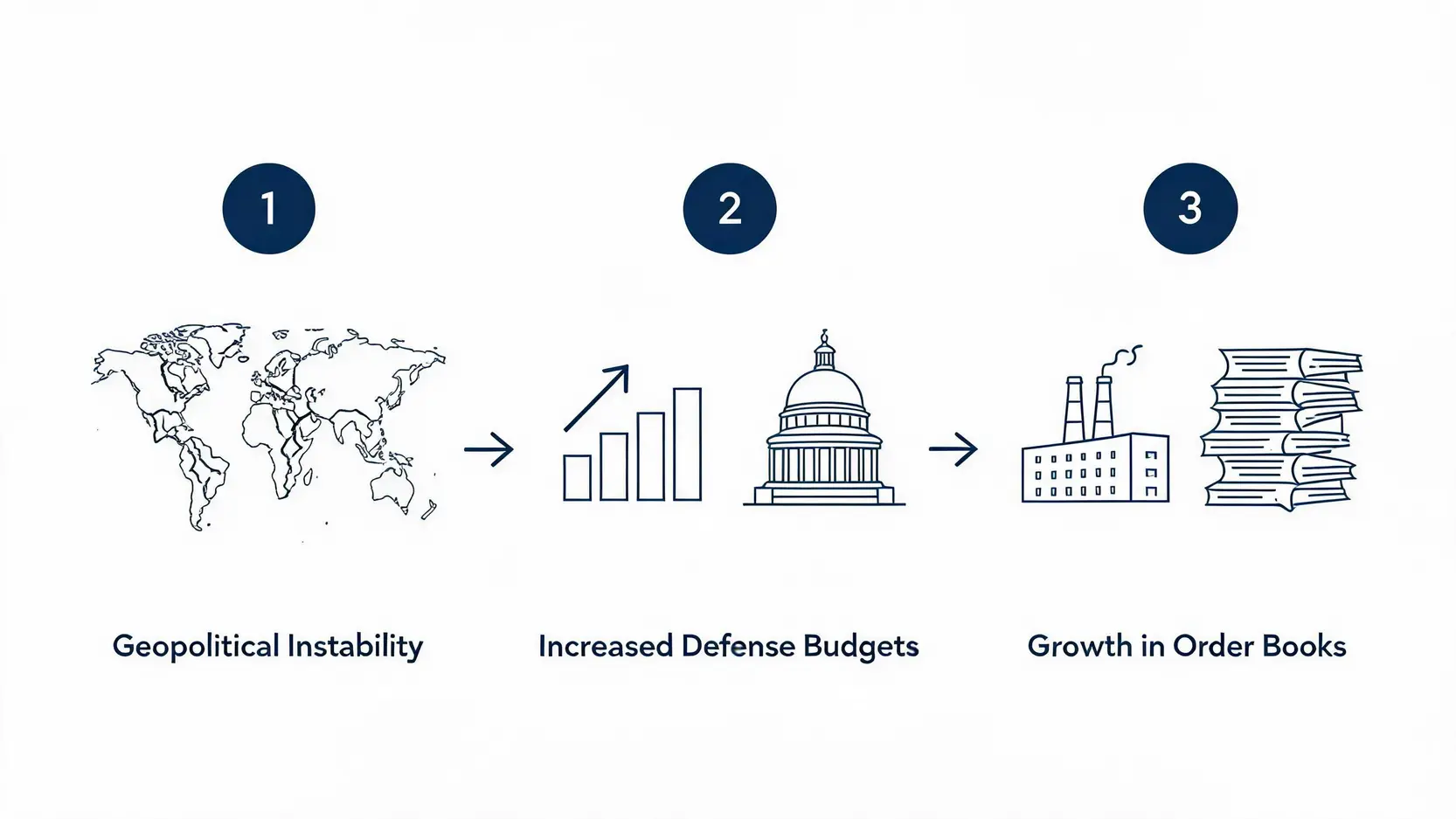
The primary driver has undeniably been the escalation of regional conflicts, most notably the war in Ukraine. This event shattered the post-Cold War illusion of perpetual peace in Europe, forcing a continent-wide re-evaluation of defense capabilities. The conflict created an immediate and sustained demand for a wide range of military hardware, from ammunition and armored vehicles to sophisticated air defense systems. This has translated directly into bulging order books for defense contractors. The persistent tensions in Eastern Europe, the Middle East, and the Indo-Pacific continue to underscore the need for robust military readiness, ensuring that defense remains a top political priority. The impact of geopolitical risk on markets has become a central theme, with investors increasingly pricing in a higher probability of sustained instability.
A Surge in National Defense Budgets: Tracking the Spending Spree
In response to these threats, European governments have unleashed a torrent of new funding. Germany’s Zeitenwende (turning point) speech, which included a €100 billion special fund for the military, was a landmark moment. Many other NATO members have followed suit, accelerating their timelines to meet or exceed the 2% of GDP defense spending target. According to the latest data from the SIPRI Military Expenditure Database, European spending has seen its steepest year-on-year increase in decades. This capital infusion is not just for immediate needs; it’s being allocated to long-term procurement programs designed to modernize armed forces over the next decade, providing a predictable revenue stream for the sector.
Key Market Drivers for 2026: What Will Shape the European Defense Sector?
As we move into 2026, the initial shock of rearmament is giving way to a more structured growth phase. The market’s performance will no longer be solely about rising budgets but about execution, innovation, and strategic positioning. Investors must look beyond the headlines to understand the fundamental drivers that will separate the leaders from the laggards in the coming years.
From Pledges to Payments: The Impact of Long-Term Government Contracts
A critical factor for 2026 is the conversion of government pledges into tangible, long-term contracts. While budget announcements create positive sentiment, it is the multi-year procurement programs that guarantee revenue and profitability for defense companies. These contracts, often spanning 5-10 years, provide exceptional visibility into future earnings. Companies with a strong backlog of secured orders for high-demand platforms like fighter jets, submarines, and missile systems are best positioned for stable growth. 📈 Investors should scrutinize company reports for the size and quality of their order backlog, as this is a more reliable indicator of future performance than short-term stock price movements. This transition from promises to payments is what will sustain the industry’s health long after the initial spending euphoria fades.
The Role of New Technologies (Drones, Cyber, AI) in Future Growth
The nature of warfare is evolving, and so is the defense industry. The battlefields of today and tomorrow are increasingly digital. Consequently, a significant portion of new defense spending is being directed towards next-generation technologies. Key areas of growth include:
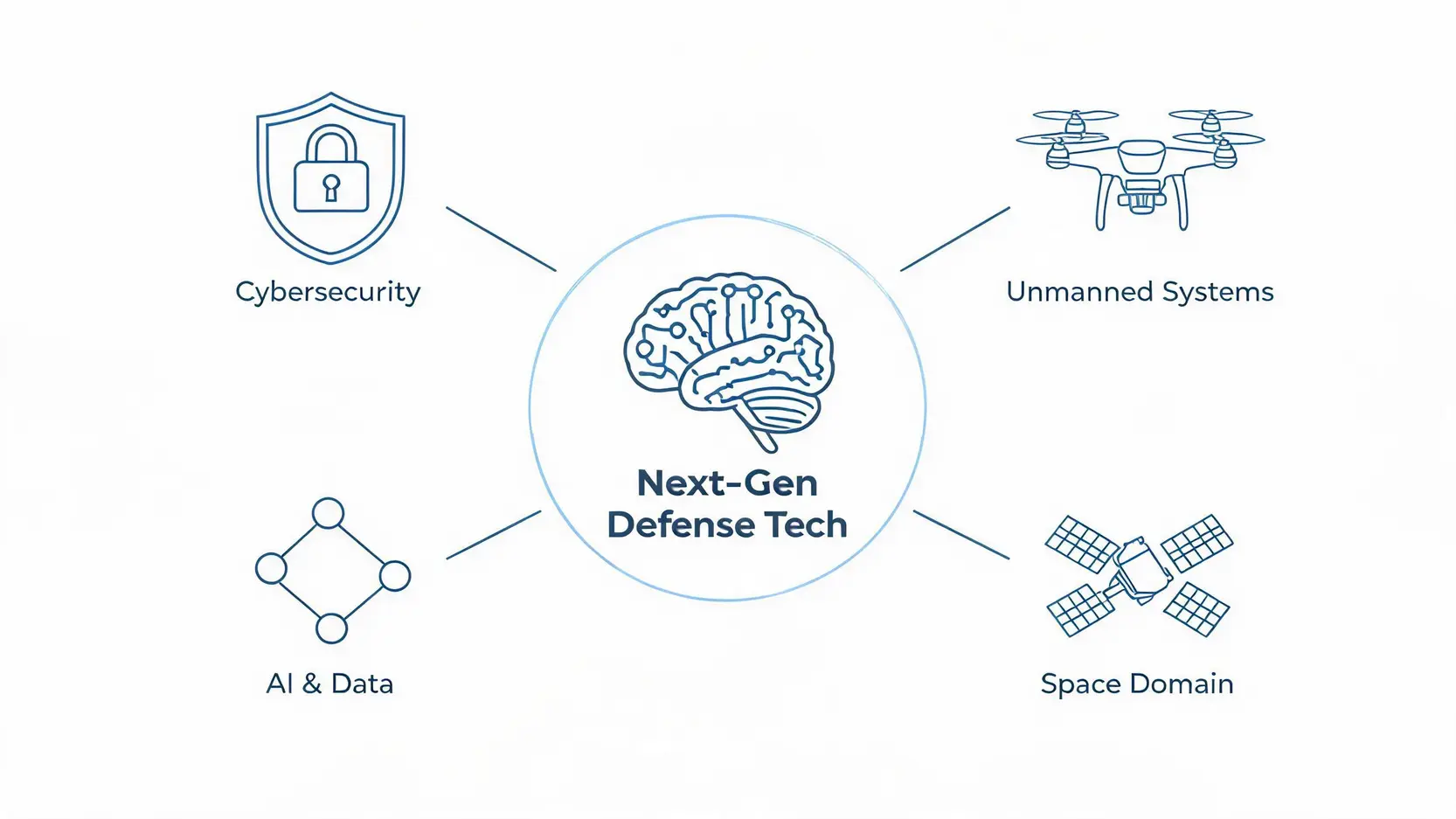
- Unmanned Systems: The demand for autonomous drones (UAVs) for surveillance, reconnaissance, and combat is exploding. Companies specializing in drone technology and counter-drone systems are seeing massive interest.
- Cybersecurity and Electronic Warfare: Protecting critical infrastructure and military networks from cyber-attacks is paramount. This has created a burgeoning market for advanced cybersecurity services and electronic warfare equipment.
- Artificial Intelligence (AI) and Data Analytics: AI is being integrated into everything from predictive maintenance and logistics to autonomous targeting and intelligence analysis. Firms that can effectively leverage AI will have a significant competitive advantage.
- Space as a Defense Domain: Investment in military satellites for communication, navigation (GPS), and surveillance is on the rise as space becomes a contested domain.
Investment Outlook 2026: Consolidation, Risks, and Opportunities
The investment outlook for European defense stocks in 2026 is one of cautious optimism, requiring a more discerning approach than in the initial boom phase. The sector is maturing, and with this maturity comes a new set of challenges and opportunities. The easy gains from the sector-wide re-rating may be over; future returns will be driven by company-specific fundamentals and strategic execution.
Entering the ‘Consolidation Phase’: What It Means for Valuations and M&A
After a period of rapid expansion, industries often enter a ‘consolidation phase,’ and the European defense sector is no exception. This phase is typically characterized by:
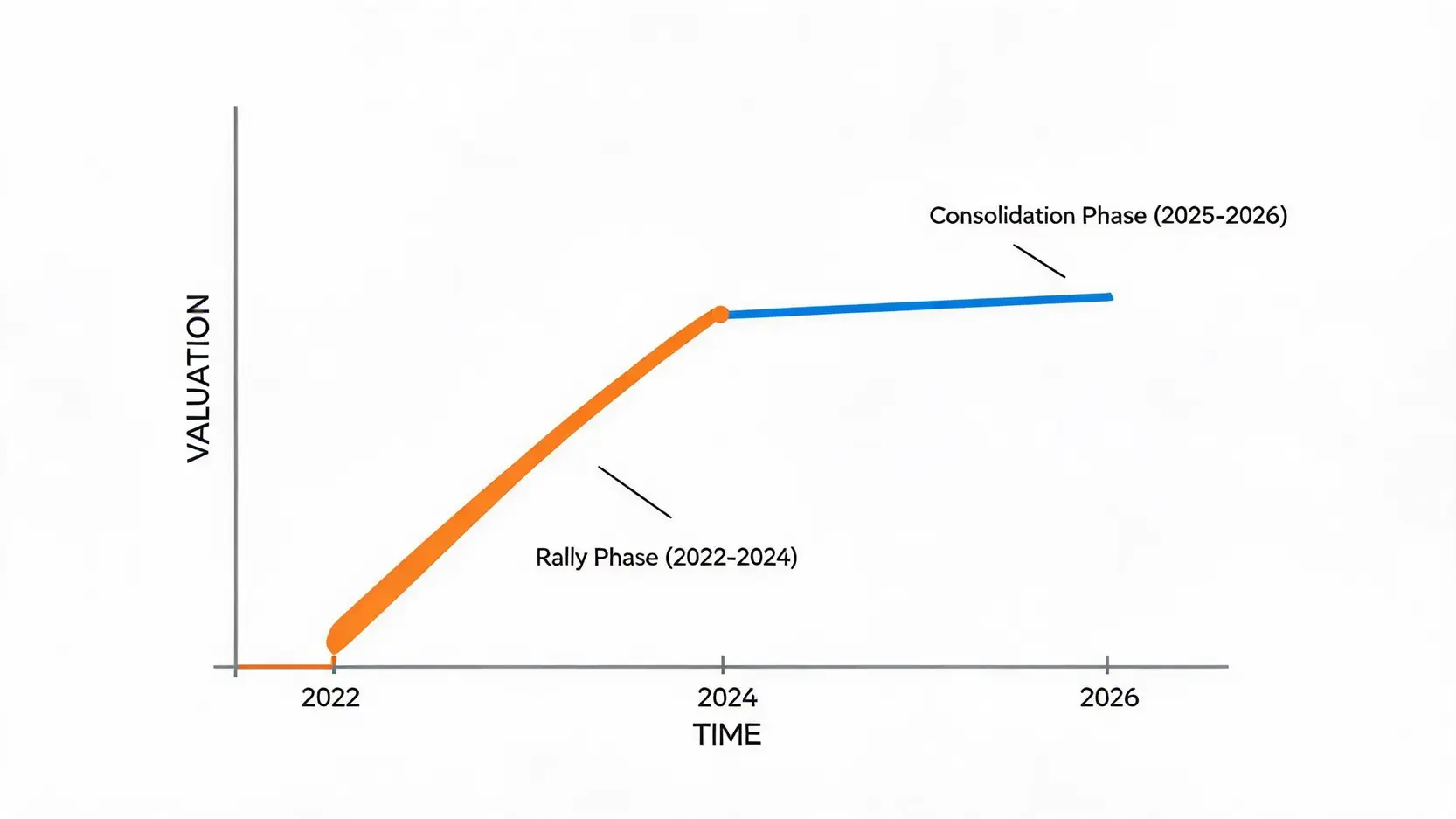
- Stabilizing Valuations: Price-to-earnings (P/E) ratios, which expanded significantly during the rally, are likely to stabilize or even contract to more sustainable levels. Growth will need to be driven by earnings increases rather than multiple expansion.
- Increased M&A Activity: Larger players may look to acquire smaller, innovative companies to gain access to key technologies (like AI or drone tech) or to consolidate their market position. This can create opportunities for investors in both the acquiring and target companies.
- Focus on Efficiency: With production lines running at full capacity, companies will be under pressure to improve operational efficiency, manage supply chains effectively, and deliver on their contracts on time and on budget.
This environment favors investors who do their homework and focus on well-managed companies with strong balance sheets and clear strategic roadmaps.
Bull vs. Bear: Key Investment Risks to Monitor
While the long-term tailwinds are strong, several risks could disrupt the positive narrative for defense stocks. Vigilant investors must monitor these factors closely:
- Budget Fatigue: After the initial surge, governments facing domestic economic pressures (inflation, healthcare costs, etc.) may experience ‘budget fatigue’. This could lead to a slowdown in the rate of spending growth or delays in procurement programs.
- Political Shifts: National elections can bring new governments with different spending priorities. A shift towards administrations less focused on defense could impact long-term contracts and sector sentiment.
- Supply Chain Constraints: Ramping up production has strained supply chains for critical components, from microchips to specialized materials. Persistent bottlenecks could lead to production delays and cost overruns.
- Execution Risk: Companies that fail to deliver on their large, complex contracts could face significant financial penalties and reputational damage.
Top European Defense Companies to Watch in 2026
In this evolving landscape, several companies stand out due to their market position, technological capabilities, and strong order books. While not an exhaustive list, these are some of the key players to monitor:
| Company | Country | Key Strengths & Focus Areas |
|---|---|---|
| BAE Systems | 🇬🇧 UK | Highly diversified across air, sea, and land. Significant exposure to the US market and long-term programs like the F-35 fighter jet and Dreadnought submarines. |
| Rheinmetall AG | 🇩🇪 Germany | A primary beneficiary of German rearmament. Leading producer of tanks (Leopard), armored vehicles, and artillery ammunition. Massive order backlog. |
| Dassault Aviation | 🇫🇷 France | Producer of the highly successful Rafale fighter jet, which continues to win major international orders. Strong focus on advanced combat air systems. |
| Saab AB | 🇸🇪 Sweden | Known for its innovative and cost-effective solutions, including the Gripen fighter and NLAW anti-tank weapons. A leader in electronic warfare and radar systems. |
| Leonardo S.p.A. | 🇮🇹 Italy | Strong in helicopters, defense electronics, and cybersecurity. A key partner in major European collaborative projects like the Eurofighter Typhoon. |
Conclusion
In conclusion, the European defense stocks outlook for 2026 is transitioning from a phase of explosive, sentiment-driven growth to one of strategic consolidation and operational execution. The foundational tailwinds of heightened geopolitical tensions and robust national budgets remain firmly in place, providing a solid floor for the sector. However, the path forward requires a more granular analysis. Investors must now pivot their focus from the macro story to micro-fundamentals—scrutinizing order backlogs, evaluating technological advantages in areas like AI and cyber, and monitoring for risks such as budget fatigue. Careful, diligent analysis will be the key to distinguishing the enduring winners from the transient beneficiaries in the complex European defense landscape of 2026 and beyond.
Frequently Asked Questions (FAQ)
Q: Are European defense stocks overvalued heading into 2026?
A: Valuations are certainly much higher than their historical averages after the recent rally. Whether they are ‘overvalued’ depends on the company. Those with confirmed, long-term contracts and exposure to high-growth technology areas may justify their current prices through future earnings growth. However, the sector as a whole is no longer cheap, and investors must be selective. A period of valuation consolidation is widely expected.
Q: How does the outlook for European defense stocks compare to their US counterparts?
A: The European outlook is arguably more dynamic due to the starting point. Europe is in a catch-up phase of military modernization, suggesting a higher growth trajectory in the medium term. US defense giants are more mature but benefit from the world’s largest defense budget and a global sales network. European growth may be faster, but US stocks are often seen as more stable, long-term holdings.
Q: What are the long-term ethical considerations of investing in defense?
A: Ethical considerations are a significant factor for many investors. ESG (Environmental, Social, and Governance) funds have historically excluded defense stocks. The debate has shifted slightly, with some arguing that defense companies are essential for national security and the protection of democracies. However, investors must individually reconcile the nature of the industry with their personal values and investment principles.
Q: What is the biggest technological trend to watch in the defense sector?
A: Autonomy and Artificial Intelligence (AI) are the most transformative trends. The ability to process vast amounts of data for intelligence and to operate unmanned systems effectively in all domains (air, sea, land) will define the next generation of military capability. Companies that lead in AI-driven defense applications are likely to be the long-term winners.