
Considering an investment in Sunshine Silver Mining & Refining Corp. (SSMR)? The potential rewards in the precious metals market are alluring, but a clear understanding of the specific SSMR stock risks is crucial for making an informed decision. As we navigate 2026, the volatility in commodity markets requires a granular analysis of a company’s financial health and operational stability. This article provides a comprehensive breakdown of the key market, operational, and financial risks you need to evaluate before committing capital to this silver and zinc producer.
Table of Contents
Understanding SSMR: Who is Sunshine Silver Mining & Refining Corp.?
Before diving into the risks, it’s essential to understand the business itself. A foundational knowledge of SSMR’s operations and assets provides the context needed to properly weigh the potential challenges it faces.
Company Overview and Core Operations
Sunshine Silver Mining & Refining Corp. is a U.S.-based precious metals mining company primarily focused on the exploration, development, and production of silver. The company’s business model revolves around advancing its mineral projects from exploration stages to fully operational mines, generating revenue through the sale of processed silver, zinc, and lead concentrates. Its success is intrinsically linked to its ability to efficiently extract and process these metals.
Key Assets and Mining Projects (e.g., Los Gatos)
The cornerstone of SSMR’s portfolio is its significant stake in the Los Gatos project in Chihuahua, Mexico. This joint venture operates a polymetallic mine that is a primary source of the company’s revenue. The performance, political stability, and geological characteristics of the Los Gatos mine are direct drivers of SSMR’s stock value. Any disruption or underperformance at this key site represents a material risk to the company’s outlook.
Macro-Level Risks: The External Factors Impacting SSMR’s Stock
No company operates in a vacuum, especially one in the cyclical mining industry. Several external factors, largely outside of SSMR’s control, can significantly influence its profitability and stock performance. These macro risks are a critical component of any analysis of Sunshine Silver Mining’s future.
Commodity Price Volatility: The Silver & Zinc Price Connection
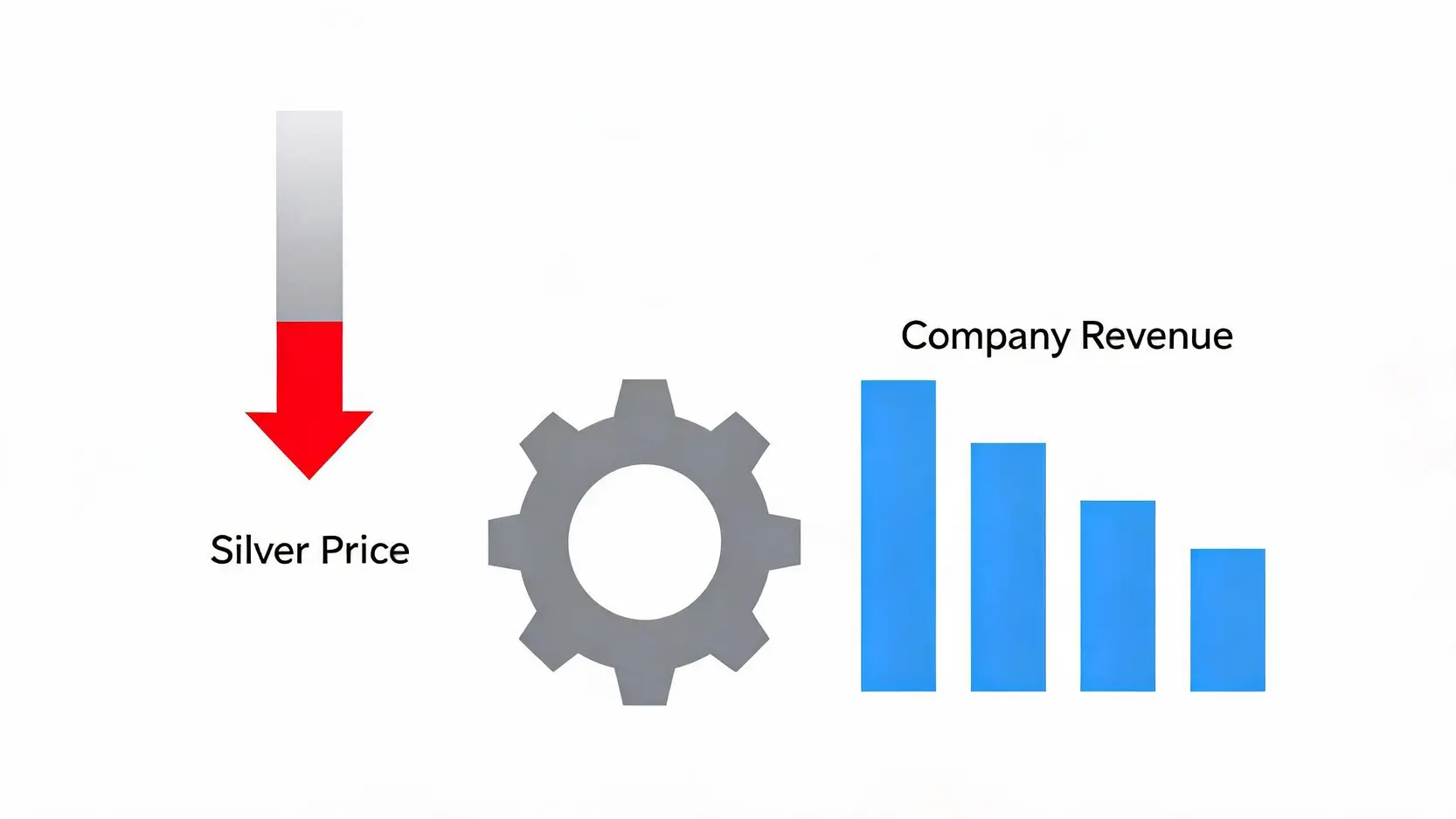
The most significant external risk for SSMR is the volatility of commodity prices. The company’s revenues are directly tied to the market prices of silver and, to a lesser extent, zinc and lead. A sharp decline in silver prices can erode profit margins, delay expansion projects, and negatively impact investor sentiment. Conversely, while rising prices are beneficial, this volatility makes forecasting revenue and cash flow inherently difficult. Investors must be prepared for price swings driven by global supply and demand, industrial usage, and investment trends. 📈
Economic Cycles and Market Sentiment Risk
SSMR’s performance is also susceptible to broader economic cycles. During economic downturns, industrial demand for metals may decrease, putting downward pressure on prices. Furthermore, changes in interest rates, inflation data, and the strength of the U.S. dollar can influence investor appetite for precious metals as a safe-haven asset. A strong dollar, for example, can make dollar-denominated silver more expensive for foreign buyers, potentially dampening demand. These macroeconomic shifts create an unpredictable backdrop for any investment in SSMR.
Regulatory and Environmental Policy Changes
The mining industry is subject to stringent and evolving government regulations. Changes in environmental laws, taxation policies, or mining codes in the jurisdictions where SSMR operates (primarily Mexico) can substantially increase operating costs or even halt projects. As the global focus on sustainability intensifies, mining companies face increasing pressure to comply with strict standards for waste management, water usage, and emissions. According to reports on environmental regulations in the mining sector, these policies can directly impact innovation and operational costs, representing a significant long-term risk for investors.
Company-Specific Risks: A Look Inside SSMR’s Operations
Beyond the macro environment, a host of internal factors can affect SSMR’s success. These company-specific operational and financial risks are critical for investors to dissect, as they reveal the underlying health and execution capabilities of the business.
Operational Risks: Production, Exploration, and Geological Challenges
Mining is a physically and technically demanding enterprise. SSMR faces several operational hurdles:
- Production Risks: Equipment failures, labor disputes, or unforeseen technical problems at the Los Gatos mine can lead to production shortfalls, directly impacting revenue.
- Exploration Risks: The company’s long-term growth depends on successfully discovering new mineral deposits. Exploration is expensive and has no guarantee of success. A series of failed exploration efforts could deplete capital without adding to reserves.
- Geological Risks: The actual mineral content and characteristics of an ore body can differ from initial estimates. Lower-than-expected ore grades can make a project economically unviable.
These challenges highlight the inherent uncertainty in bringing precious metals from the ground to the market. Diligent review of the company’s production reports is essential.
Financial Health: Analyzing Debt, Cash Flow, and Profitability
A thorough analysis of SSMR’s financial statements is non-negotiable. Key areas of financial risk include:
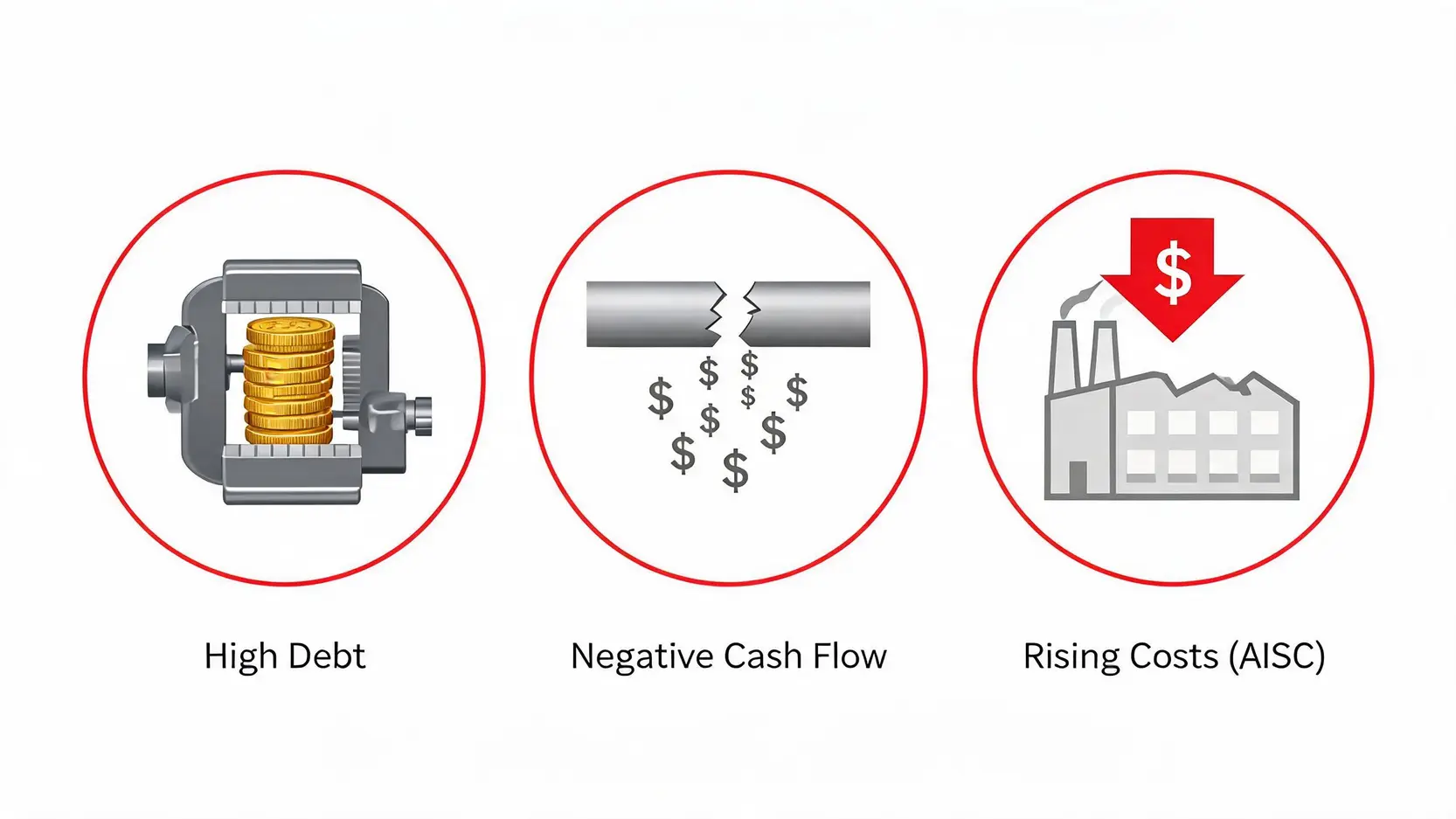
- Debt Load: Mining is capital-intensive, often requiring significant debt to fund projects. High leverage can become a burden during periods of low commodity prices, straining cash flow and limiting financial flexibility.
- Cash Flow: Consistent positive cash flow is vital. Negative cash flow could indicate operational inefficiencies or an inability to cover costs, potentially forcing the company to raise capital by diluting shareholder equity.
- Profitability: Ultimately, the company must be profitable. Scrutinize metrics like all-in sustaining costs (AISC) to understand the true cost of production. A high AISC relative to the market price of silver is a major red flag. 🚩
Management and Strategic Execution Risks
The management team’s ability to navigate the complexities of the mining industry is a crucial, albeit qualitative, factor. Poor strategic decisions, inefficient capital allocation, or a failure to execute on development plans can destroy shareholder value. Investors should assess the track record and experience of the executive team as part of their due diligence on SSMR stock risks.
Mitigating Your Risk: Strategies for SSMR Investors
While the risks associated with investing in SSMR are significant, astute investors can employ strategies to manage their downside exposure. Acknowledging the potential pitfalls is the first step; taking proactive measures is the second.
How to Read SSMR’s Financial Reports for Red Flags
Don’t just glance at the headlines of quarterly reports. Dive deeper. Look for trends in the balance sheet, income statement, and cash flow statement. Pay close attention to:
- Increasing Debt-to-Equity Ratio: Signals rising financial leverage.
- Declining Cash Reserves: Could indicate a cash burn problem.
- Rising All-In Sustaining Costs (AISC): Suggests eroding profitability.
- Footnotes: Often contain crucial details about debt covenants, legal proceedings, or accounting changes.
The Role of Portfolio Diversification
Never put all your eggs in one basket. This is especially true for volatile, single-company stocks like SSMR. Diversifying your portfolio across different asset classes (e.g., bonds, ETFs, tech stocks) and even within the metals sector (e.g., holding physical silver, gold ETFs, or stocks of larger, more established miners) can help cushion the impact of negative news from a single company. A well-diversified portfolio is the bedrock of sound risk management.
Setting Stop-Loss Orders to Manage Downside
A stop-loss order is a simple but effective tool. It is an order placed with a broker to sell a security when it reaches a certain price. By setting a stop-loss order (e.g., 10-15% below your purchase price), you can define your maximum acceptable loss on the investment. This helps remove emotion from the selling decision and protects you from catastrophic losses if the stock price plummets unexpectedly.
Conclusion
Investing in SSMR offers direct exposure to the precious and industrial metals market but comes with a distinct and significant set of challenges. By carefully weighing the SSMR stock risks—from the macroeconomic headwinds of commodity volatility and regulatory shifts to company-specific operational and financial hurdles—you can make a more strategic and calculated investment decision. Always conduct thorough due diligence, analyze the financials with a critical eye, and consider how this speculative investment fits within your broader, diversified portfolio before committing capital.
Frequently Asked Questions (FAQ)
Q: What is the biggest risk for SSMR stock?
A: The single biggest risk for SSMR stock is its high dependency on the market price of silver. A significant and sustained downturn in silver prices would directly and severely impact the company’s revenue, profitability, and stock valuation, overriding many other operational factors.
Q: How does SSMR’s risk profile compare to other silver stocks?
A: SSMR’s risk profile is generally higher than that of large, diversified senior mining companies. Its reliance on a single primary asset (the Los Gatos project) concentrates its operational risk. Larger miners often have multiple mines across different geographic locations, providing a buffer if one operation faces challenges. Therefore, SSMR is considered a more speculative play within the silver sector.
Q: Is SSMR suitable for a beginner investor?
A: Due to its high volatility, dependence on commodity prices, and concentrated operational profile, SSMR stock is generally not recommended for beginner investors. It is better suited for experienced investors who have a high-risk tolerance and a deep understanding of the mining sector’s unique challenges.
Q: Can political risk in Mexico affect SSMR?
A: Yes, absolutely. With its key producing asset located in Mexico, SSMR is exposed to political and regulatory risks in that country. Changes in mining laws, tax regimes, or government sentiment towards foreign mining companies could have a material adverse effect on the company’s operations and financial results.