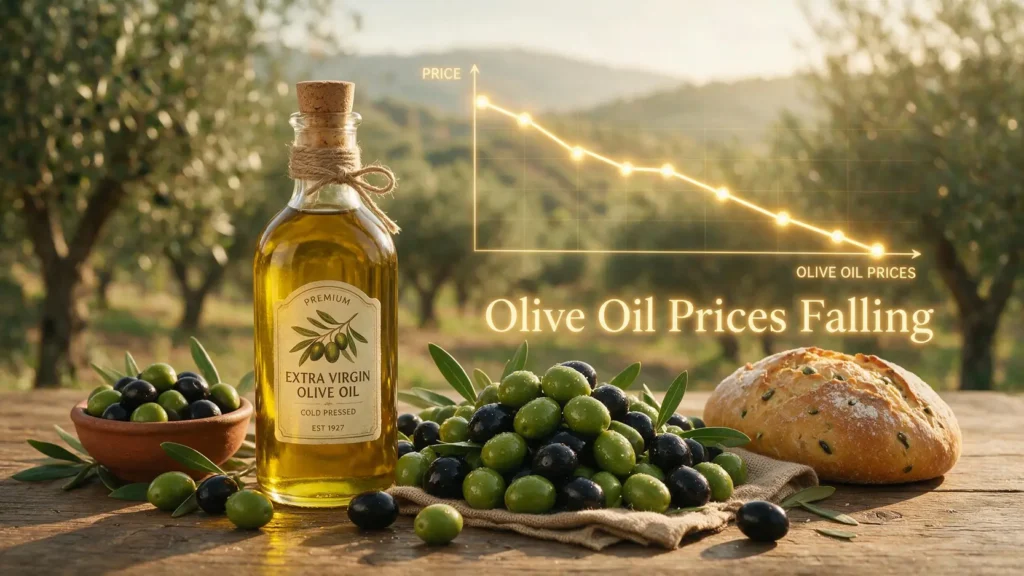
For months, consumers have faced record-high olive oil prices. Now, the trend is reversing. This article unpacks the complex reasons why olive oil prices are falling, from the critical impact of harvest quality on prices to shifting global supply and demand dynamics, and what it all means for your next grocery bill. The relief from soaring costs is palpable, but the story behind the decline is a multi-faceted interplay of agriculture, economics, and global trade dynamics.
Table of Contents
The Core Factors Driving the Price Decline
The descent of olive oil prices from their stratospheric highs is not due to a single event but a confluence of critical market shifts. After a period of extreme scarcity and price volatility, the market is entering a phase of correction, driven by fundamental changes in both supply and production costs. Understanding these drivers is essential for anyone tracking the commodity, from producers to end consumers.
Better Harvest Outlooks in Key Regions like Spain and Greece
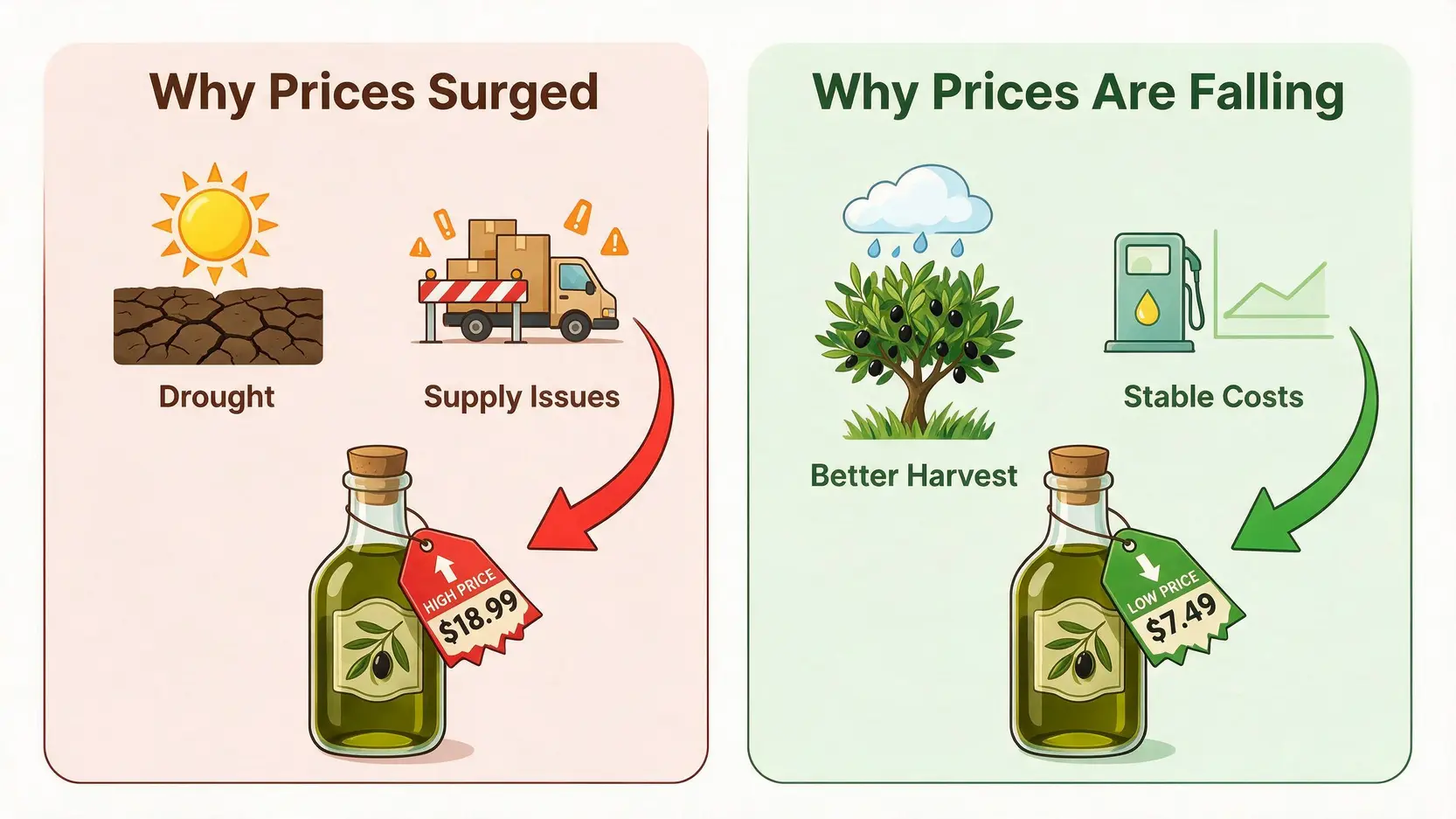
The primary driver behind the price drop is the optimistic forecast for the 2026/2027 harvest season, particularly in the Mediterranean’s olive oil powerhouses. After several years of punishing droughts and extreme weather events that decimated crops, especially in Spain, weather patterns are normalizing. Rainfall in key Andalusian provinces has replenished reservoirs and improved soil moisture, leading to healthier olive groves. Projections from agricultural bodies and market analysts now point to a significant recovery in yield. According to the International Olive Council, while the 2024/25 crop year saw a recovery in consumption, it is the anticipated robust production in late 2026 that is truly easing wholesale prices. This expectation of a larger supply is the most significant factor alleviating the upward price pressure.
Stabilizing Energy and Production Costs
The cost of producing olive oil is intrinsically linked to broader economic factors, most notably energy prices. The preceding years of price hikes were exacerbated by soaring costs for fuel (for tractors and transport), electricity (for milling operations), and fertilizers. As of mid-2026, global energy markets have found a more stable footing. This stabilization directly translates into lower overheads for olive farmers and processors. The reduced financial burden at the production level allows for more competitive pricing in the wholesale market, a saving that is beginning to signal future relief for consumers.
A Market Correction After Unsustainable Highs
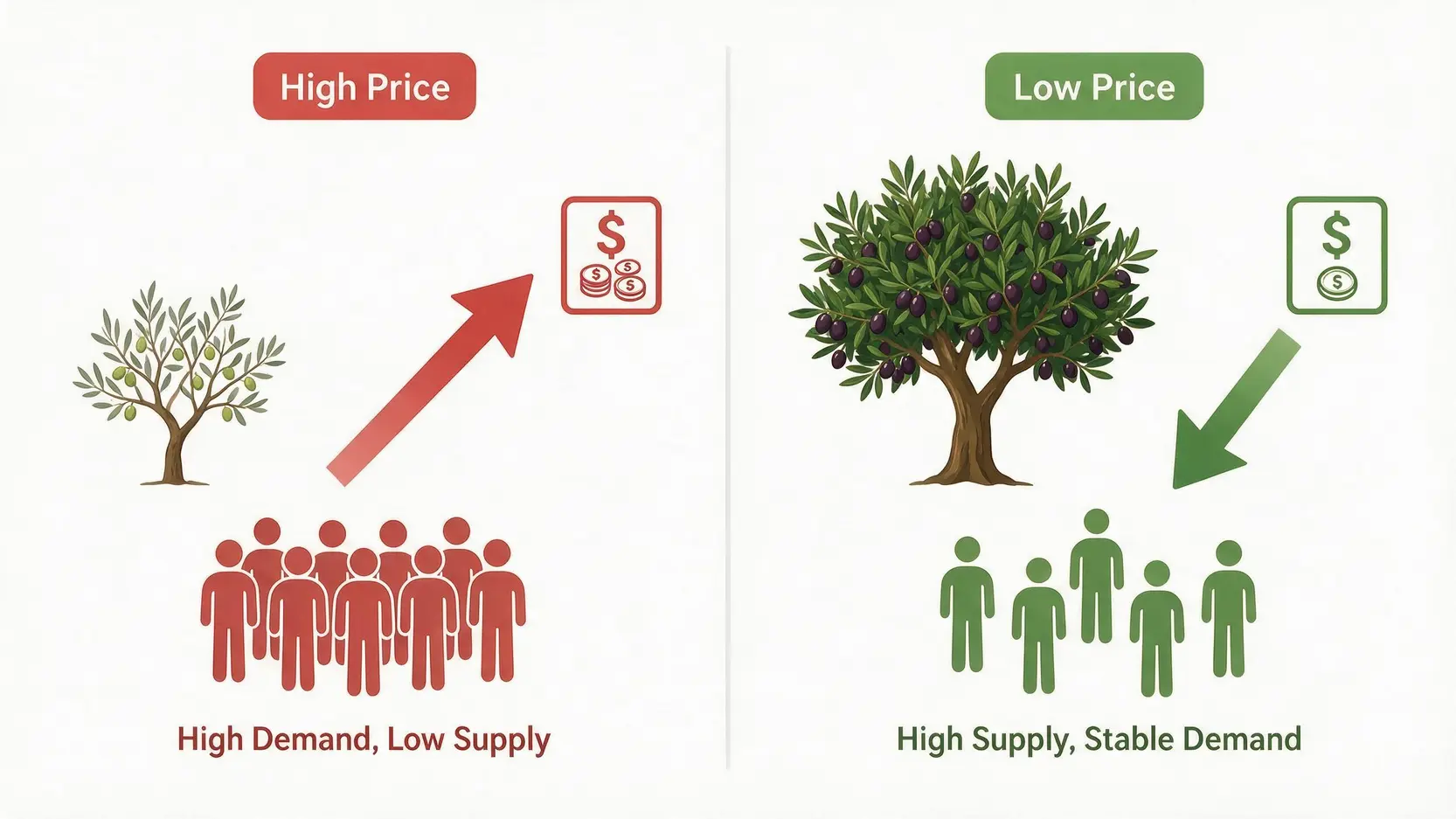
The record prices of 2024 and 2025 were, in many respects, unsustainable. They were the result of a perfect storm: severe supply shocks met with inelastic demand. However, such high prices inevitably lead to demand destruction—consumers either reduce consumption, switch to cheaper alternatives like sunflower or rapeseed oil, or trade down from extra virgin to lower grades. This market behavior, combined with the aforementioned supply recovery, has triggered a necessary price correction. The current downward trend is the market’s natural mechanism for finding a new equilibrium where supply and demand can meet at a more sustainable price point for all parties involved. This is a classic example of the supply and demand dynamics in commodity markets at play.
Context: Why Did Prices Skyrocket in the First Place?
To fully appreciate the current downturn in olive oil prices, one must understand the severity of the preceding crisis. The recent price relief is a direct response to a multi-year period of unprecedented challenges that fundamentally reshaped the global olive oil market and led to the question on every consumer’s mind: why is olive oil so expensive?
The Impact of Consecutive Poor Harvests and Drought
The primary culprit was Mother Nature. Beginning in 2023, the Mediterranean basin, which accounts for over 90% of global olive oil production, was struck by severe, prolonged droughts and record-breaking heatwaves. Spain, the world’s largest producer, saw its output plummet by as much as 50% from historical averages. Other major producers like Italy and Greece also suffered from adverse weather conditions, leading to a significant global supply deficit. This agricultural crisis created a fundamental imbalance, with far less oil being produced than the world was accustomed to consuming.
Supply Chain Shortages and Increased Global Demand
Compounding the poor harvests were lingering post-pandemic supply chain disruptions. Increased transportation costs, logistical bottlenecks, and labor shortages added further expense to bringing olive oil from the grove to the grocery store shelf. Simultaneously, global demand for olive oil, prized for its health benefits, remained robust. This combination of a sharp reduction in supply against a backdrop of steady demand created intense competition for the limited available stock, forcing prices to unprecedented levels. For a deeper dive into these market forces, our guide to commodity investing offers a broader perspective on how these factors influence pricing.
What Falling Prices Mean for Different Stakeholders
The shifting tides of olive oil prices create different challenges and opportunities for various players in the market. While consumers may rejoice, the situation is more complex for producers and retailers. The adjustment period from peak prices is fraught with economic pressures and strategic calculations.
For Producers: Navigating Squeezed Profit Margins
For olive growers, falling prices are a double-edged sword. While a return to normal harvests is welcome, the sharp decline in wholesale prices can squeeze profit margins, particularly for those who invested heavily in irrigation or other costly measures to survive the drought years. Many smaller producers operate on thin margins, and a rapid price drop can threaten their financial viability. They face the challenge of managing lower revenue while still dealing with production costs that, while stabilizing, remain higher than pre-crisis levels.
For Supermarkets: The Delay in Passing Savings to Consumers
Consumers often wonder why a drop in wholesale commodity prices doesn’t immediately appear on supermarket shelves. This phenomenon, often dubbed “rocket and feather” (prices shoot up like a rocket but fall like a feather), is at play here.
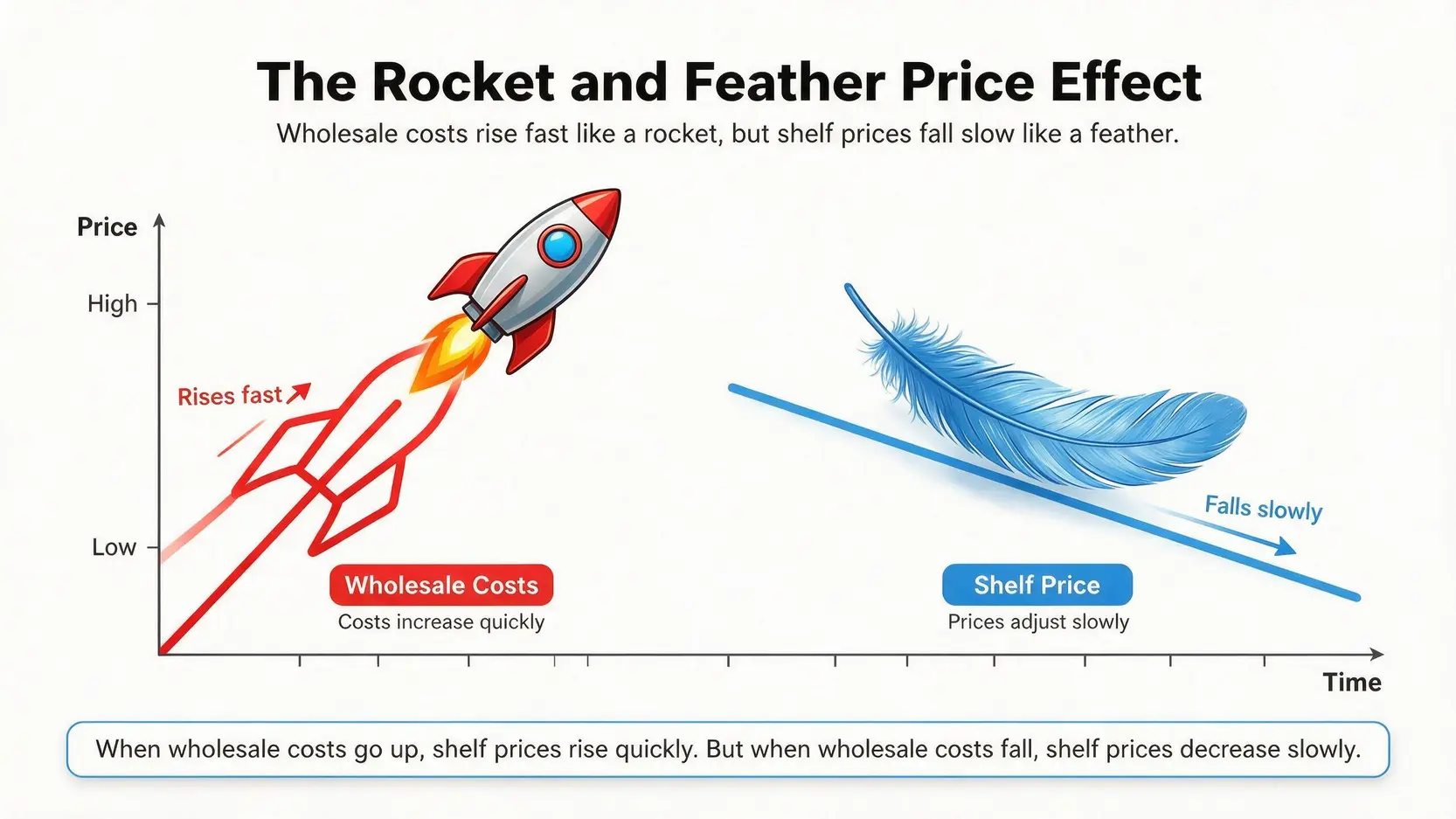
Retailers often purchase inventory months in advance. Therefore, the olive oil currently in stores was likely bought at the previously higher wholesale prices. Furthermore, supermarkets may use the period of falling wholesale costs to recoup margins lost during the price spikes, delaying the pass-through of savings to the consumer. Patience is required as the supply chain absorbs these changes.
For You, The Consumer: When to Expect Cheaper Prices on Shelves
So, when will your grocery bill reflect these changes? Based on typical retail cycles and inventory management, consumers should start to see more noticeable price reductions on shelves towards the end of 2026 and into early 2027. The first signs will likely be promotional activities and discounts rather than a sharp drop in the base price. As retailers clear their more expensive old stock and begin stocking oil from the more abundant and cheaper 2026 harvest, the savings will become more consistent. Keep an eye out for these deals as the market continues its rebalancing act. 🛒
Conclusion
In summary, the recent drop in olive oil prices is a welcome change driven by the powerful forces of recovering harvests and stabilizing production costs. After years of scarcity and pain at the checkout, the market is undergoing a necessary correction. While it may take time for these wholesale savings to fully translate to consumer shelves, understanding these market dynamics is key. The question ‘why are olive oil prices falling’ reveals a complex but logical interplay of agriculture, economics, and global trade, reminding us that even in our modern world, the weather and the harvest remain the ultimate arbiters of the price of this liquid gold.
Frequently Asked Questions (FAQ)
Q: Will olive oil prices continue to fall?
A: While the sharpest declines may be behind us, the general trend is expected to be downward or stable moving into 2027, contingent on the 2026/2027 harvest meeting current positive expectations. According to a report from Grand View Research, the market is projected to grow steadily, indicating a stabilization of supply. However, the olive oil market is famously volatile, and any unexpected weather events in the Mediterranean could quickly alter this forecast.
Q: How does the weather in the Mediterranean affect olive oil prices?
A: The weather in the Mediterranean is arguably the single most important factor. Spain, Italy, and Greece produce the vast majority of the world’s olive oil. The health of the olive trees—and thus the volume of the harvest—is directly dependent on adequate rainfall, the absence of extreme heat during the flowering stage, and favorable conditions during harvest. A drought, a late frost, or a heatwave can drastically reduce supply and cause global prices to spike, as seen in recent years.
Q: Are all types of olive oil seeing the same price drop?
A: Generally, yes, but the effect varies. The price of Extra Virgin Olive Oil (EVOO), the highest grade, is the most sensitive to harvest quality and saw the most dramatic increases. While it will also see a significant drop, the prices for lower grades like virgin and standard olive oil are also declining as overall supply improves. The price gap between the grades may narrow as the market normalizes.
Q: Is the current price drop a good time to invest in olive oil as a commodity?
A: For experienced traders, a volatile market always presents opportunities. The current downturn reflects a rebalancing of supply fundamentals. However, timing the bottom of a commodity market is exceptionally difficult. Any investment should be based on a thorough analysis of future harvest data, demand trends, and macroeconomic factors. For most, simply enjoying the lower prices at the supermarket is the best approach.