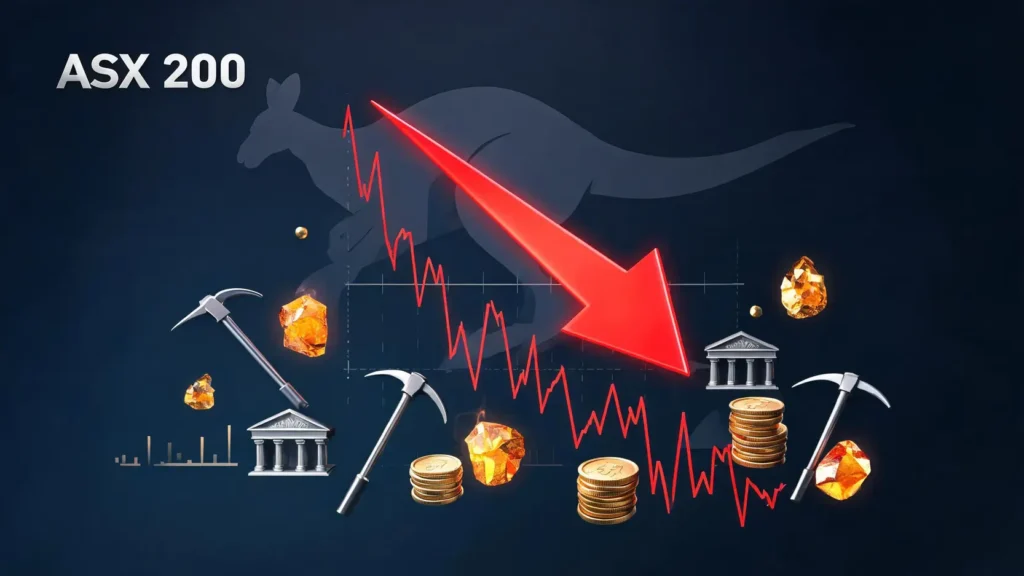
Seeing red on the Australian market? You’re not alone. As of June 2026, many investors are asking, ‘Why is the ASX 200 down today?’ This downturn isn’t random; it’s a calculated response to a confluence of market forces. This article provides a penetrating analysis of the immediate drivers behind the recent drop, from global economic pressures to specific sector performance. We will break down the key factors behind the recent drop, giving you the clarity needed to understand today’s complex Australian market movements.
Table of Contents
Today’s Market Snapshot: Analysing the ASX 200’s Key Figures
To understand the depth of the market’s reaction, we must first look at the hard data. The numbers tell a story of widespread investor concern, reflecting a risk-off sentiment that has permeated the trading day.
The ASX 200 by the Numbers: Points and Percentage Change
As of the market close on June 18, 2026, the S&P/ASX 200 index experienced a significant decline, dropping approximately 1.5% or 115 points to close near the 7,650 mark. This move erases gains from the previous week and signals a potential shift in investor sentiment. The CBOE Australia 200 Volatility Index (ASX: VIX), a key measure of market fear, has simultaneously ticked upwards, indicating heightened uncertainty among traders.
Which Sectors Are Hit Hardest? (Mining, Banking, Tech)
The decline was broad-based but disproportionately affected the index’s most heavily weighted sectors:
- 📉 Mining & Resources: This cornerstone of the Australian economy faced intense pressure due to fluctuating commodity prices. A slight dip in iron ore prices, coupled with concerns over global industrial demand, saw giants like BHP Group and Rio Tinto post considerable losses.
- 🏦 Banking & Financials: The ‘Big Four’ banks (Commonwealth Bank, Westpac, NAB, ANZ) all traded lower. This weakness stems from concerns about narrowing net interest margins in a potentially peaking interest rate environment and fears of a slowdown in the housing market.
- 💻 Technology: Following a negative lead from the US Nasdaq, Australian tech stocks experienced a significant sell-off. Growth-sensitive tech companies are particularly vulnerable to higher discount rates, making them less attractive when bond yields are elevated.
Spotlight on Major Laggards: Today’s Worst-Performing Stocks
Among the blue-chip names, several stood out for their sharp declines. Besides the aforementioned mining and banking giants, lithium miners and ‘buy now, pay later’ (BNPL) companies were among the worst performers. These high-growth, long-duration stocks are often the first to be sold off when investors pivot from a growth-focused to a value-focused strategy amid economic uncertainty.
Core Drivers Behind Today’s ASX 200 Market Drop
Today’s decline is not an isolated event. It is the result of several interconnected macroeconomic and geopolitical factors that are currently shaping investor decisions globally and domestically.
Global Market Influence: How US and European Trends Are Impacting Australia
Overnight, Wall Street set a bearish tone. The S&P 500 and Dow Jones Industrial Average both closed lower after hawkish commentary from a Federal Reserve official hinted that the fight against inflation is not over, potentially delaying anticipated rate cuts. This sentiment quickly spread to European markets and then to the Asian session, reminding investors that in a globalised economy, no market is an island. The performance of US markets often serves as a primary indicator for the ASX 200’s opening sentiment.
Commodity Price Volatility: The Impact of Iron Ore, Gold, and Oil
Australia’s export-heavy economy makes the ASX 200 exceptionally sensitive to commodity price fluctuations. Iron ore, a primary export, saw prices ease on the back of revised-down demand forecasts from China. While gold prices remained relatively stable, offering some support to gold miners, a dip in oil prices weighed heavily on the energy sector. This volatility in commodities directly impacts the profitability and stock prices of Australia’s largest companies. For investors, understanding commodity price volatility is key to navigating the Australian market.
Domestic Economic News: RBA Announcements and Inflation Data
Domestically, all eyes are on the Reserve Bank of Australia (RBA). Recent Consumer Price Index (CPI) data came in slightly hotter than expected, dampening hopes for an imminent interest rate cut. The market is now pricing in a ‘higher for longer’ rate scenario. This stalls economic growth, increases borrowing costs for corporations, and reduces the future value of their earnings, leading to lower stock valuations. The RBA’s cautious stance, articulated in its latest meeting minutes, has forced investors to re-evaluate their risk appetite.
Context is Key: Understanding Broader ASX 200 Volatility
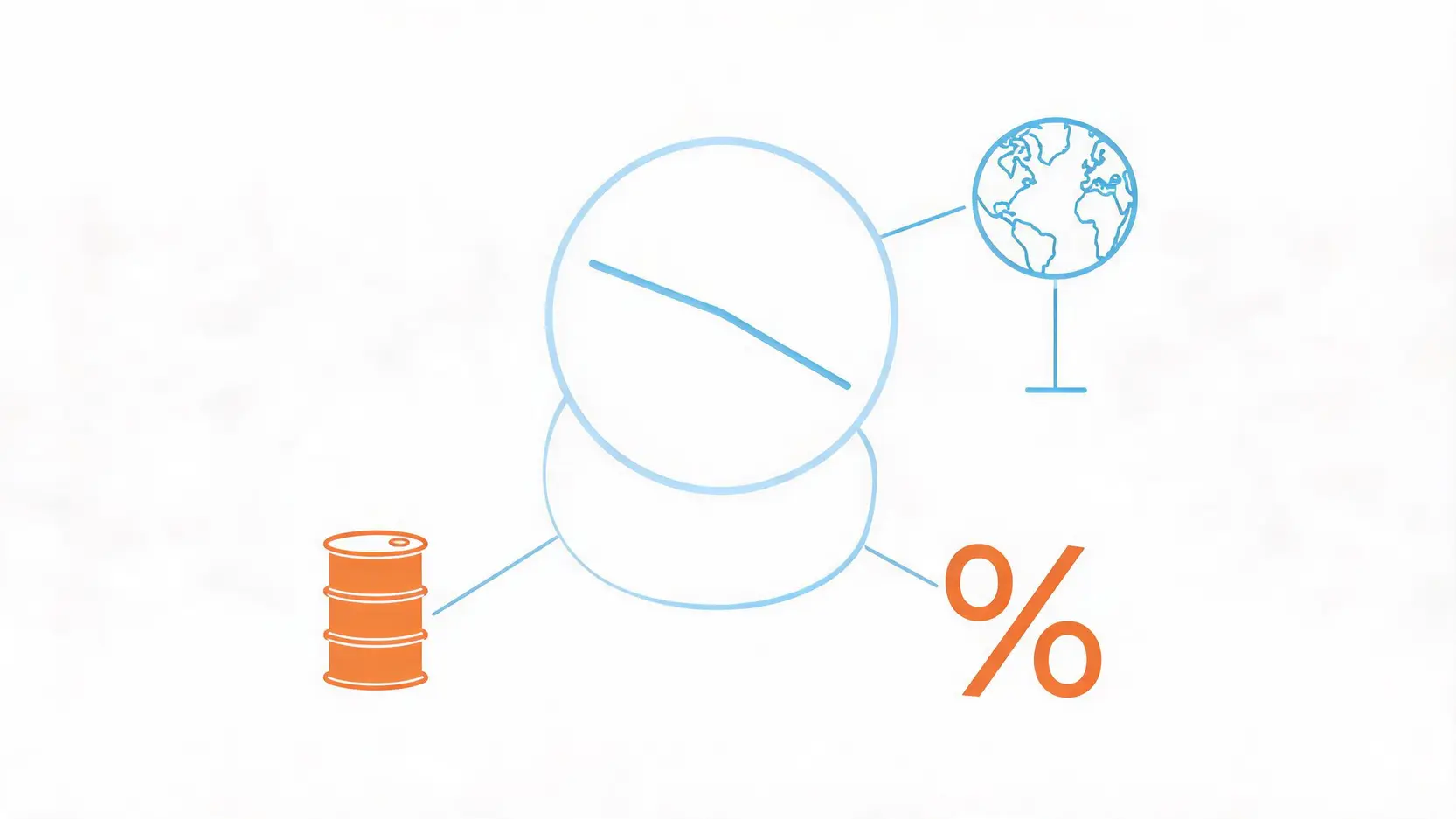
To truly grasp today’s market movements, one must place them in a broader context. The current volatility is not just a reaction to a single day’s news but is built on a foundation of ongoing economic and geopolitical shifts.
The Lingering Effect of Interest Rate Policies
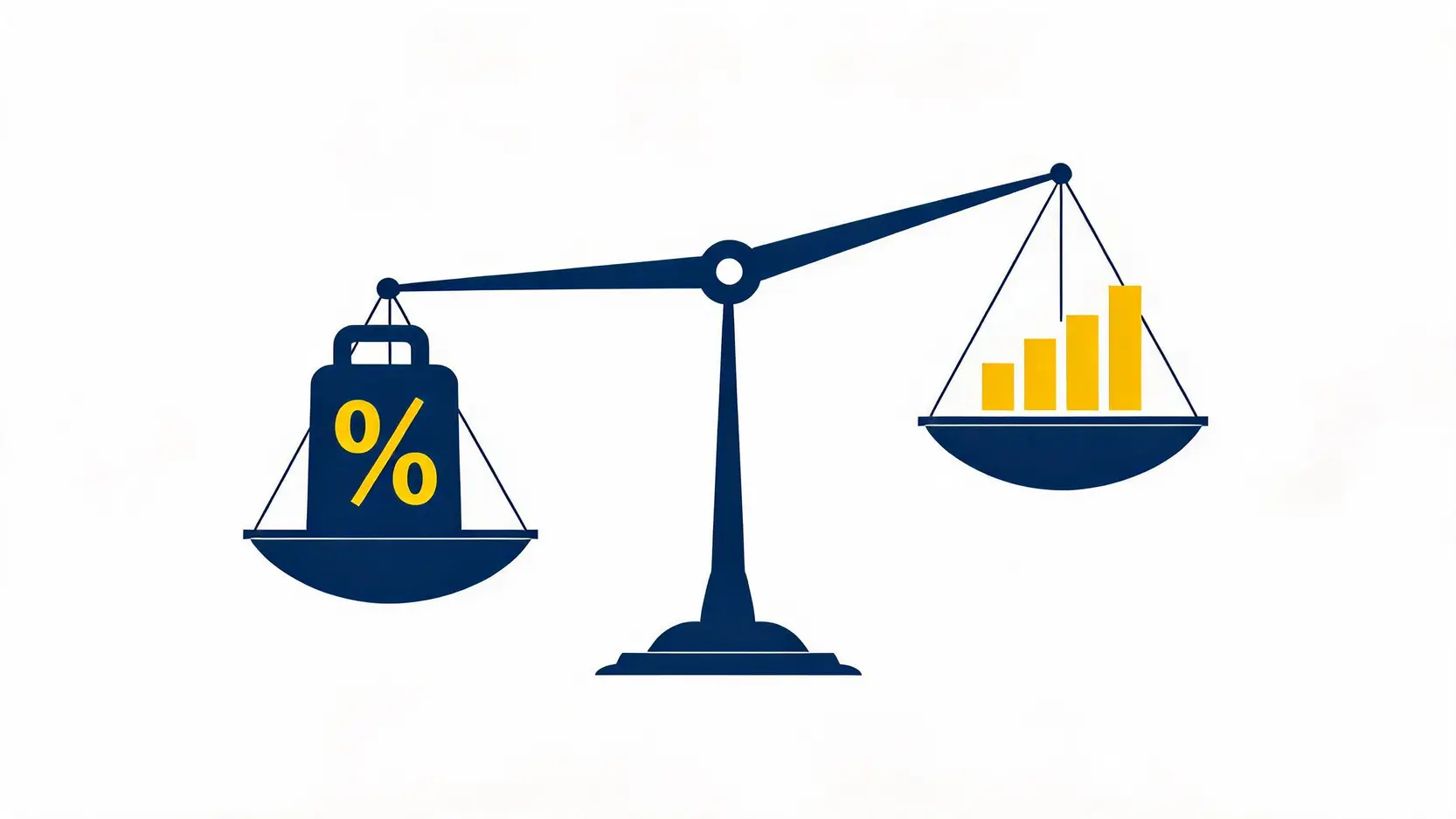
The aggressive monetary tightening cycle that began in 2024 continues to cast a long shadow. While the RBA has been on hold for several months, the cumulative effect of past rate hikes is still working its way through the economy. Higher borrowing costs impact everything from corporate expansion plans to consumer spending habits. This environment makes the market highly sensitive to any new inflation data or central bank commentary. The fundamental relationship between interest rates and stock valuations cannot be overstated; it is the primary driver of market performance in 2026.
Australia-China Trade Relations and Their Market Impact
While official relations have thawed, underlying tensions in the Australia-China trade relationship remain a source of market anxiety. China is Australia’s largest trading partner, and any perceived disruption to the flow of goods—particularly iron ore, coal, and agricultural products—can have an immediate negative impact on the share prices of companies in these sectors. Investors are constantly monitoring diplomatic communications and trade data for any signs of renewed friction.
Analysing Historical Trends: Is This a Blip or a Bearish Turn?
Seasoned investors know that market pullbacks are normal. The critical question is whether this is a healthy, short-term correction or the beginning of a more sustained bearish trend. Historically, the ASX 200 has shown resilience, but it is not immune to prolonged downturns, as seen in 2008 and 2020. The current situation is unique; the market is grappling with persistent inflation in a post-pandemic world. The interplay between central bank policy, geopolitical events, and corporate earnings will ultimately determine the market’s direction over the next several quarters.
Conclusion
In summary, today’s ASX 200 downturn is not a simple, one-dimensional event. It is a complex interplay of negative global market sentiment spilling over from the US, the persistent volatility of key commodity prices, and cautious domestic monetary policy signals from the RBA. Understanding these core reasons is the first and most critical step for any investor looking to navigate this period of heightened volatility. While sharp, short-term drops can be unsettling, maintaining a disciplined, long-term perspective and focusing on fundamental quality are crucial for strategic investment decision-making in 2026.
Frequently Asked Questions
Q: What is the ASX 200 and what does it represent?
A: The S&P/ASX 200 is a market-capitalization weighted and float-adjusted stock market index of stocks listed on the Australian Securities Exchange. It is considered the benchmark index for the Australian equity market and represents the 200 largest publicly traded companies by market capitalization, covering approximately 80% of the Australian share market.
Q: How do interest rate changes directly affect the ASX 200?
A: Interest rate changes have a direct and powerful effect. Higher rates increase the cost of borrowing for companies, which can hurt profitability and expansion plans. They also increase the ‘discount rate’ used to value future earnings, making stocks less attractive compared to safer assets like bonds. Conversely, rate cuts can stimulate the economy and boost stock valuations.
Q: What are the most influential sectors on the ASX 200?
A: Due to its composition, the ASX 200 is heavily influenced by two main sectors: Financials (primarily the ‘Big Four’ banks) and Materials (major mining companies like BHP, Rio Tinto, and Fortescue Metals Group). Together, these two sectors often account for nearly half of the index’s total weight, meaning their performance has an outsized impact on the overall market’s direction.
Q: What should I do as an investor when the market is down?
A: When the market is down, it’s crucial to avoid panic selling. Instead, reassess your investment strategy and time horizon. For long-term investors, downturns can present buying opportunities for quality companies at a discount. It is also a good time to review your portfolio’s diversification to ensure you are not overly exposed to a single sector or asset class.
Q: Where can I find reliable data on the ASX 200’s performance?
A: For official data, the Australian Securities Exchange (ASX) website is the primary source. Reputable financial news outlets such as The Australian Financial Review (AFR), Bloomberg, and Reuters also provide real-time data, in-depth analysis, and market commentary. Platforms like Morningstar offer detailed stock and index analysis.