As high-stakes negotiations for a US-Iran deal capture global attention in 2026, investors are holding their breath. The potential agreement carries profound implications for global stability and financial markets, making the US Iran deal stock market impact 2026 a critical topic for every portfolio manager. This comprehensive guide breaks down the multifaceted effects, analyzing everything from potential oil price shocks from an Iran deal to the sector-specific opportunities and risks that will emerge. Understanding these dynamics is essential to navigate the impending market volatility and strategically position your assets for what lies ahead.
Table of Contents
The Immediate Market Reaction: Why a Deal Sparks a ‘Relief Rally’ and What to Expect
Geopolitical breakthroughs, especially those that de-escalate long-standing tensions in the Middle East, almost invariably trigger a positive market response. The prospect of a US-Iran accord is no different. The immediate reaction is anticipated to be a broad-based “relief rally,” driven by the removal of a significant layer of uncertainty that has been weighing on investor sentiment and global economic forecasts.
Analyzing the Inverse Correlation: Lower Tensions, Higher Stocks
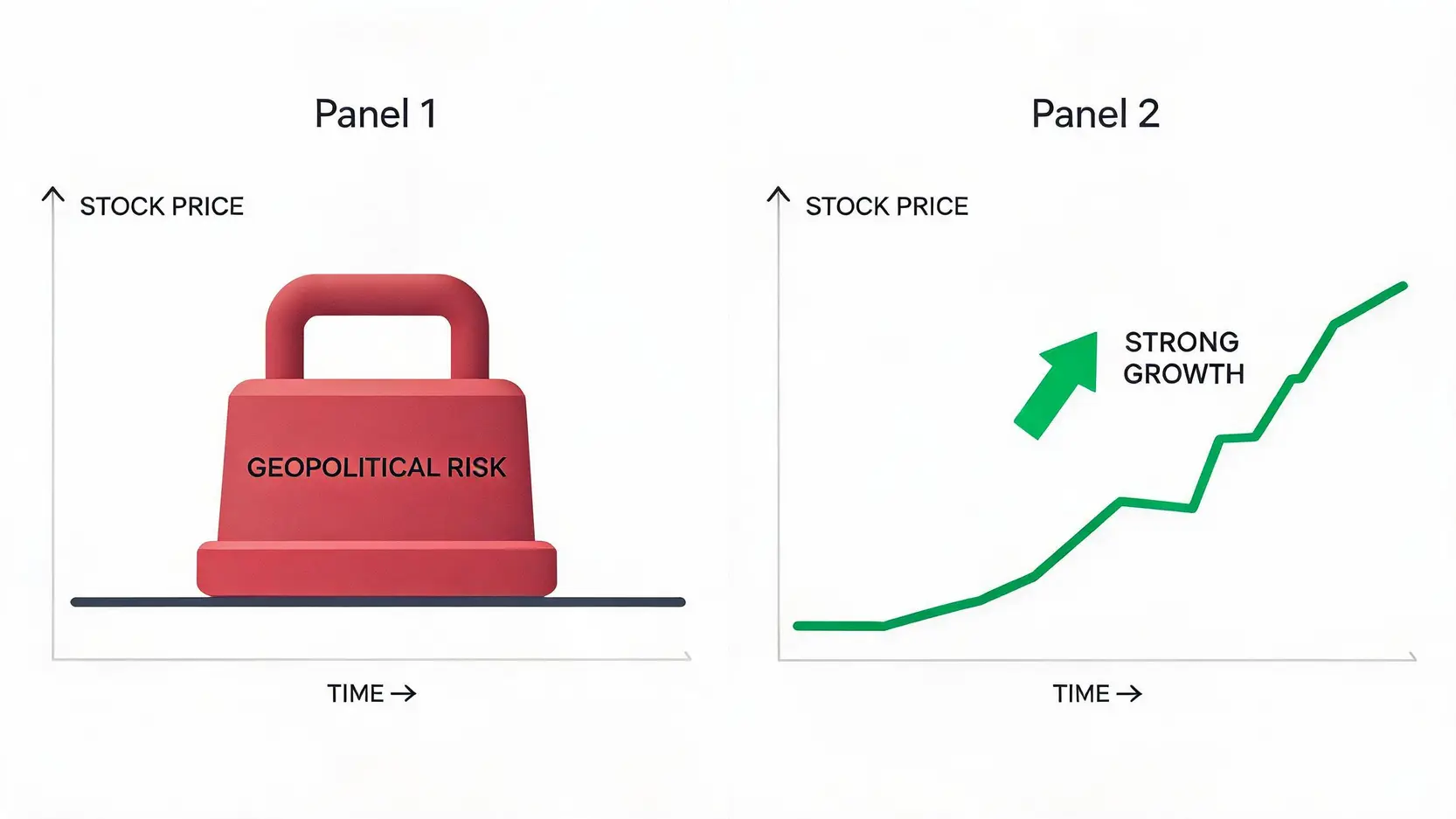
Financial markets are forward-looking and despise uncertainty. A persistent threat of conflict in a region as critical as the Middle East forces investors to price in a “geopolitical risk premium.” This premium effectively suppresses asset valuations across the board. When that risk is removed or significantly reduced, the premium evaporates, causing an upward re-pricing of assets, particularly equities. A successful deal signifies a step back from the brink, allowing capital to flow from safe-haven assets like gold and government bonds back into riskier but higher-growth assets like stocks. This rotation is the engine of the relief rally.
The Oil Price Factor: How a Deal Could Lower Energy Costs and Boost the Market
The most direct and powerful economic transmission mechanism of a US-Iran deal is its effect on crude oil prices. A comprehensive agreement would likely involve the lifting of sanctions, allowing Iranian oil to re-enter the global market in full force. This influx of supply—potentially adding over a million barrels per day—would exert significant downward pressure on both Brent and WTI crude benchmarks. 🛢️
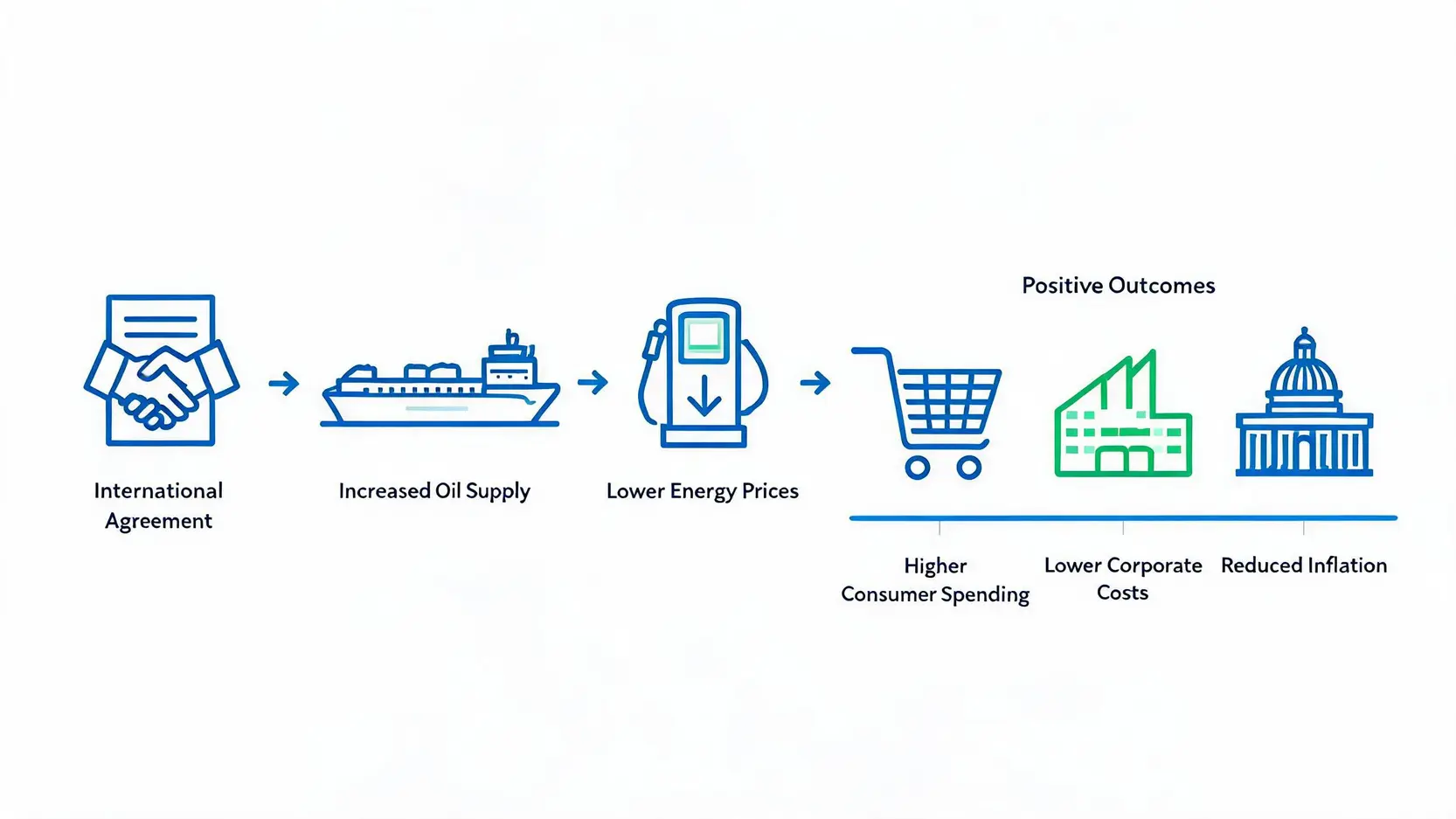
For the broader stock market, this is a powerful tailwind. Lower energy prices translate to:
- Reduced Inflationary Pressure: Energy is a primary input for transportation and manufacturing. Cheaper oil helps cool headline inflation, giving central banks like the Federal Reserve more flexibility and potentially staving off further monetary tightening.
- Increased Corporate Profitability: Companies in sectors like airlines, shipping, and manufacturing see their operating costs fall, directly boosting their bottom line.
- Enhanced Consumer Spending Power: Lower prices at the gas pump leave more disposable income in consumers’ pockets, which can fuel spending in retail and services, further stimulating the economy.
Impact on Major Indices: Tracking the Dow, S&P 500, and Nasdaq Response
While the overall market is expected to rally, the magnitude will vary across major indices. The Dow Jones Industrial Average, with its heavy concentration of industrial and manufacturing giants, is poised to benefit significantly from lower energy costs and the prospect of more stable global trade. Similarly, the S&P 500, as the broadest measure of the US economy, will reflect the widespread positive sentiment. The tech-heavy Nasdaq 100 will also rise, though its rally may be more influenced by the broader “risk-on” sentiment rather than direct cost savings, as many of its constituents are less energy-intensive. A reduction in global risk often encourages investment in high-growth technology sectors.
Sector-by-Sector Breakdown: Identifying Winners and Losers from a US-Iran Agreement
The US-Iran deal’s stock market impact will not be monolithic. The shifting geopolitical and economic landscape will create clear winners and losers across different sectors. A granular analysis is crucial for active portfolio management.
Energy Sector: Navigating the Volatility in Oil and Gas Stocks
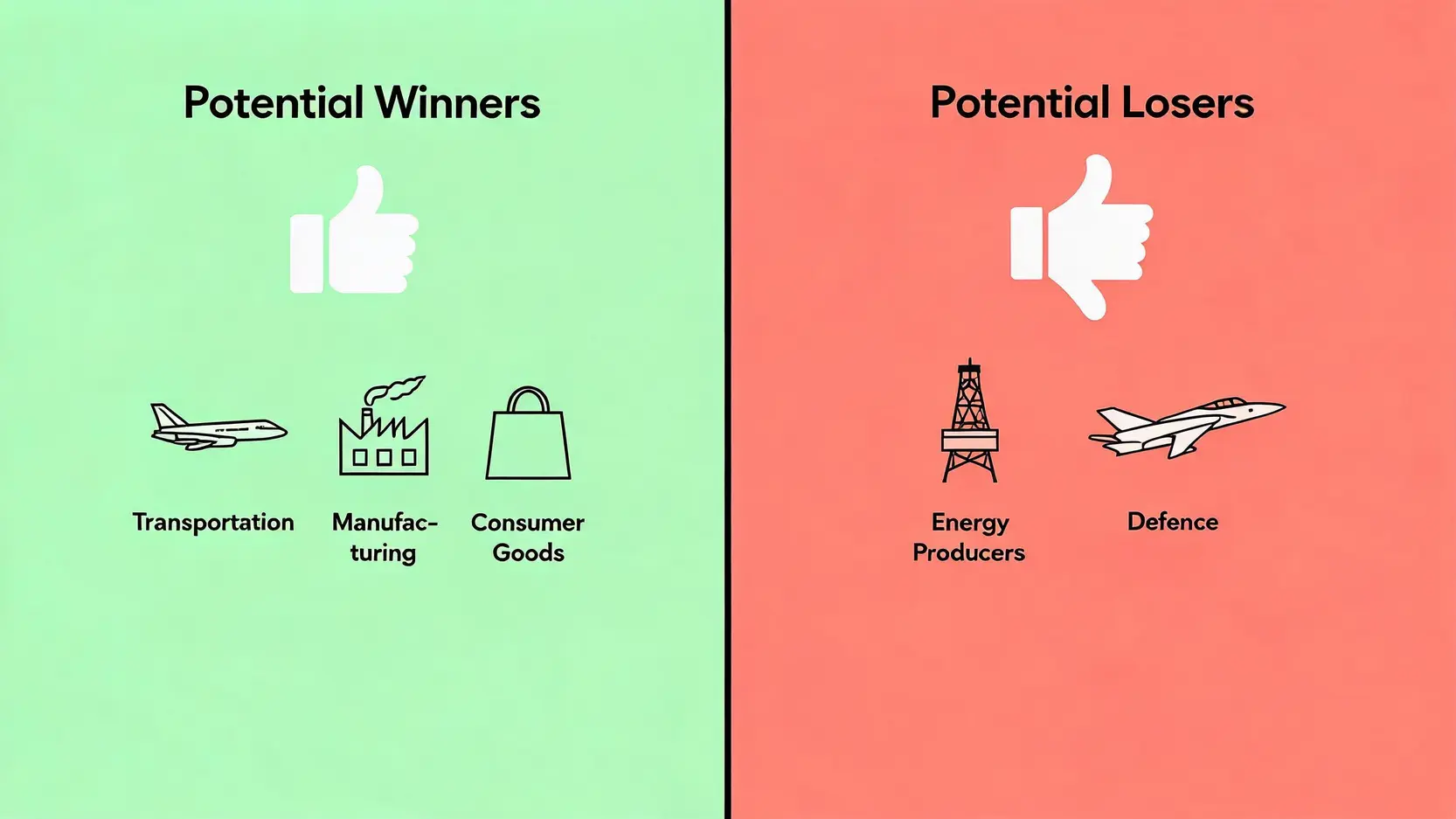
The energy sector will be on the front line of the market shift. The primary losers in the immediate aftermath of a deal are upstream oil and gas producers. Companies like ExxonMobil (XOM) and Chevron (CVX), whose revenues are directly tied to the price of crude, will likely see their stock prices fall as the market anticipates lower oil prices. However, the story is different for downstream and integrated companies. Refiners could see their margins expand as their primary input cost (crude oil) decreases. Service companies that support exploration and production might also face headwinds as major producers reassess capital expenditures in a lower-price environment. For a deeper dive into this sector, consider this guide on investing in energy stocks.
Defense & Aerospace: What De-escalation Means for These Stocks
A reduction in Middle East tensions logically leads to a reassessment of defense spending priorities. Major defense contractors such as Lockheed Martin (LMT), Raytheon Technologies (RTX), and Northrop Grumman (NOC) could face pressure. Their stock valuations often include a premium based on existing and potential future conflicts. A diplomatic breakthrough suggests a lower probability of military engagement, potentially leading to smaller arms deals or delayed projects. Investors will be closely watching for any changes in the Department of Defense’s budget allocation in response to the shifting geopolitical climate.
Industries Benefiting from Stability: Transportation, Manufacturing, and Consumer Goods
On the winning side, the beneficiaries are numerous and represent a broad swath of the economy:
- ✈️ Transportation: Airlines (e.g., Delta, United), shipping companies (e.g., FedEx, UPS), and trucking firms are among the most significant winners. Fuel is one of their largest operating expenses, and a sustained drop in oil prices will directly enhance their profitability and competitiveness.
- 🏭 Manufacturing: Heavy industry and chemical manufacturers, which are often energy-intensive, will see their production costs decline. This can lead to better margins and potentially lower prices for end-users, stimulating demand.
- 🛍️ Consumer Discretionary: With lower inflation and more money saved on fuel, consumers are more likely to spend on non-essential goods and services. This benefits retailers, travel and leisure companies, and automakers.
Long-Term Outlook & Investor Strategy (Beyond 2026)
While the immediate market pop is noteworthy, sophisticated investors must look beyond the initial rally and formulate a long-term strategy. The durability and scope of the US-Iran deal are paramount in determining its lasting market impact.
From Short-Term Volatility to Long-Term Growth: What a Sustainable Deal Means
A truly sustainable and verifiable agreement could do more than just lower oil prices; it could unlock a new era of economic integration and growth. The reintegration of Iran’s economy—with its large, educated population—into the global system could create significant long-term investment opportunities in sectors ranging from infrastructure to consumer goods. A stable Middle East reduces global supply chain risks and could foster trade routes that were previously considered too volatile. This provides a foundation for more resilient global economic growth, which is a powerful long-term positive for equities.
Portfolio Hedging Strategies Against Geopolitical Risk
Even with a deal, geopolitical risk doesn’t vanish—it merely changes form. The deal’s implementation could face challenges, or new regional tensions could arise. Therefore, maintaining a hedged portfolio is prudent. Effective strategies include:
- Long Volatility: Holding instruments like VIX call options, which appreciate during times of market fear and uncertainty.
- Safe-Haven Assets: Allocating a portion of the portfolio to traditional safe havens like gold (GLD) or the Swiss Franc (CHF).
- Options Collars: Using put and call options to protect a stock position from downside risk while capping its upside potential.
- Diversification: Ensuring the portfolio is not overly concentrated in sectors or regions that are highly sensitive to Middle East politics.
As Investopedia notes, a combination of these strategies can effectively reduce portfolio volatility during unpredictable geopolitical events.
Historical Parallels: Lessons from Past Middle East Agreements and Their Market Impact
History provides a valuable lens through which to view the potential 2026 deal. The market reaction to the 2015 Joint Comprehensive Plan of Action (JCPOA) is a key reference point. When that deal was announced, global oil prices trended downward in anticipation of increased Iranian supply. As reported by sources like Reuters at the time, there was also a surge of interest in the potential for investment within Iran, signaling that markets view de-escalation as a direct precursor to economic opportunity. The key lesson is that markets react positively and quickly to the *reduction* of risk and the *prospect* of new growth, even before the full economic effects are realized.
Frequently Asked Questions (FAQ)
Q: Does a conflict with Iran always hurt the US stock market?
A: While a direct conflict would almost certainly cause a negative market reaction, it’s not the conflict itself but the economic consequences that are most damaging. The primary impact comes from a spike in oil prices, which fuels inflation and stifles economic growth. The resulting uncertainty also drives investors away from risk assets. Therefore, the threat of conflict often hurts the market more through sustained risk premiums than a single event.
Q: Which specific stocks are most sensitive to a US-Iran deal?
A: The most sensitive stocks are found at the extremes. On the negative side are major oil producers (e.g., Chevron, ConocoPhillips) and top defense contractors (e.g., Lockheed Martin, Raytheon). On the positive side are companies for whom fuel is a major cost, such as airlines (e.g., Delta Air Lines, American Airlines), cruise lines, and freight & logistics companies (e.g., FedEx, Union Pacific).
Q: How does the Strait of Hormuz influence the stock market during these negotiations?
A: The Strait of Hormuz is the world’s most important oil chokepoint, with nearly a third of all seaborne crude passing through it. Any threat of its closure by Iran creates immense volatility in oil prices and the stock market. A successful deal that ensures freedom of navigation through the Strait removes a massive source of potential supply disruption, which is a significant stabilizing factor for global markets.
Q: What is the best investment strategy if a deal is signed?
A: A disciplined, diversified approach is always best. Avoid making large, speculative bets. A prudent strategy would be to re-evaluate sector weightings, potentially increasing exposure to industries that benefit most from lower energy costs and global stability, like transportation and consumer discretionary. At the same time, ensure your portfolio remains hedged against the risk that the deal could unravel.
Q: How will a US-Iran deal impact inflation and Fed policy?
A: A deal is likely to be disinflationary. By bringing more oil to the market and lowering global prices, it would help cool both energy and core inflation. This could provide the Federal Reserve with more leeway to maintain or even ease its monetary policy stance, which would be an additional tailwind for the stock market.
Conclusion
In conclusion, the 2026 US-Iran deal’s stock market impact is a complex but largely positive equation for investors. While a successful agreement is highly likely to trigger a beneficial short-term ‘relief rally,’ reduce oil prices, and combat inflation, the real test lies in its long-term viability. Investors must look beyond the initial euphoria and analyze the sector-specific nuances, identifying the clear winners (transportation, manufacturing) and potential losers (energy producers, defense). Ultimately, a well-informed, diversified, and strategically hedged strategy remains the most robust approach to navigating the opportunities and risks presented by this landmark geopolitical event.