The constant fluctuation in global oil prices is a source of anxiety for consumers and a critical data point for traders. Geopolitical news, particularly concerning Iran, is a primary driver of this volatility. Understanding how does Iran deal affect oil prices is not merely an academic exercise; it’s essential for comprehending market dynamics, the impact of geopolitical conflicts on crude oil prices, and the potential shifts in the global energy supply chain. This analysis will break down exactly how a potential nuclear deal with Iran—or the collapse thereof—reverberates through the global oil market, from the tankers navigating the Strait of Hormuz to the price you pay at the pump.
Table of Contents
Why Iran is a Critical Player in the Global Oil Market
To grasp the significance of an Iran deal on oil prices, one must first understand Iran’s fundamental role in the energy sector. The nation’s influence stems from two core assets: its immense hydrocarbon reserves and its geographic command over a vital maritime chokepoint.
Iran’s Oil Reserves and Production Capacity
Iran sits atop some of the world’s largest proven crude oil reserves. According to the U.S. Energy Information Administration (EIA), the country holds an estimated 208.6 billion barrels. However, holding reserves is different from supplying them. Decades of underinvestment and, more recently, stringent international sanctions have capped its production potential. Without sanctions, analysts estimate Iran could ramp up its crude oil production to a capacity of 3.8 million barrels per day (b/d) within six to twelve months, a significant volume in a tightly balanced global market. This latent capacity is the Damoclean sword hanging over oil prices; a deal could unleash it, while continued tensions keep it locked away.
The Strategic Chokepoint: The Strait of Hormuz
Geographically, Iran borders the Strait of Hormuz, the world’s most important oil transit chokepoint. Approximately 21 million barrels of oil per day, or about 20-25% of global petroleum liquids consumption, pass through this narrow waterway. Any military escalation or threat of blockade in this region can send shockwaves through the market, causing immediate price spikes due to fears of a catastrophic supply disruption. Therefore, Iran’s posture—whether cooperative or confrontational—directly influences the security of a quarter of the world’s oil supply.
The Core Mechanisms: How a Deal Directly Influences Oil Prices
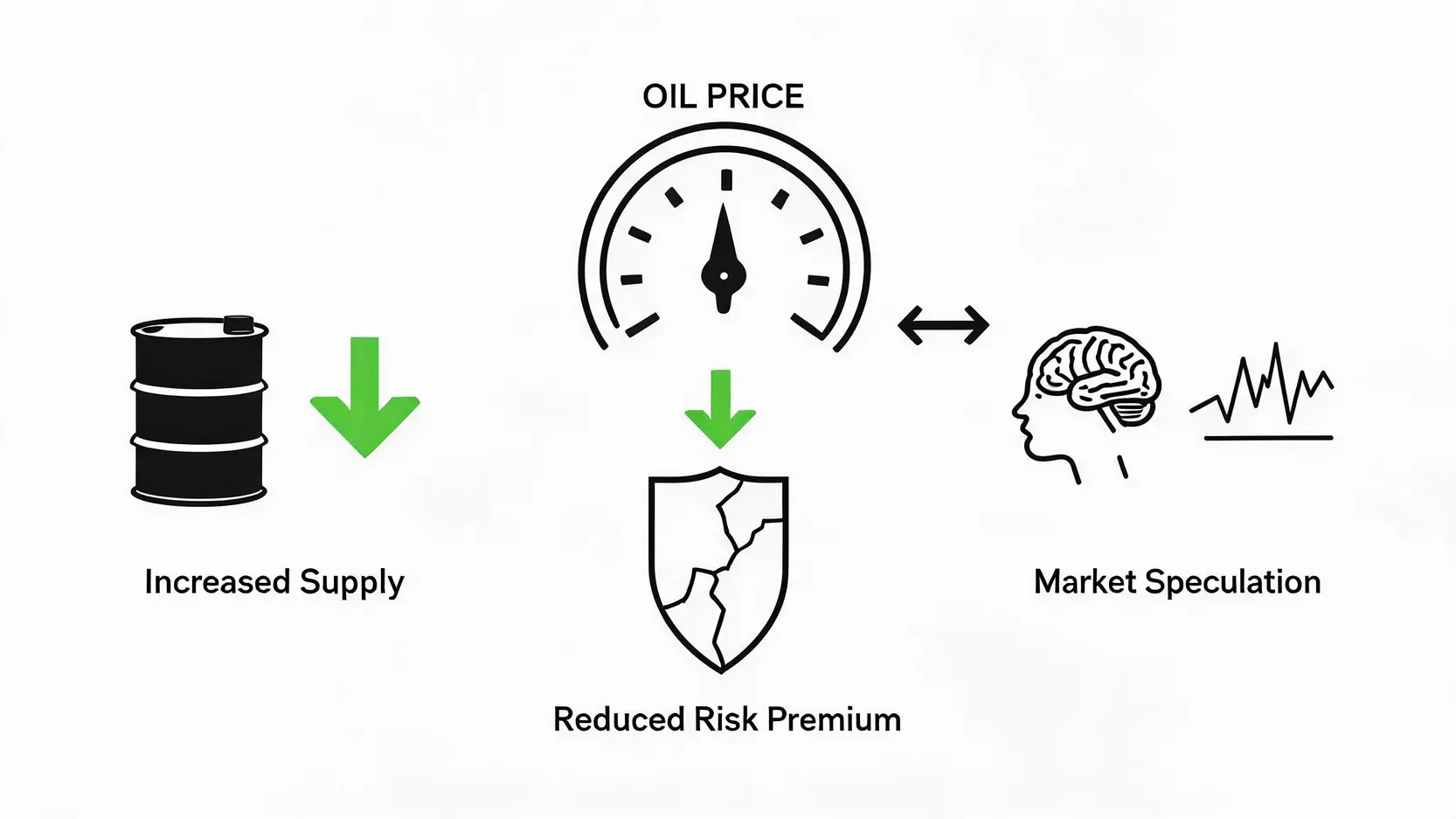
The relationship between an Iran deal and oil prices is not monolithic. It operates through three distinct, yet interconnected, mechanisms: the physical supply of oil, the psychological risk premium, and the speculative actions of traders.
The Sanctions Effect: Unleashing a Million Barrels
The most direct impact of a revived nuclear deal is the lifting of sanctions on Iran’s oil exports. Currently, sanctions severely restrict who can purchase Iranian crude and their ability to transact with the country. A deal would formally allow Iran to re-enter the global market. This could introduce an additional 1.5 to 2.0 million b/d of crude oil into the supply chain. In a market where prices are highly sensitive to supply and demand imbalances, such a significant and relatively rapid injection of new supply would exert powerful downward pressure on both Brent and WTI crude benchmarks.
Reducing the Geopolitical Risk Premium
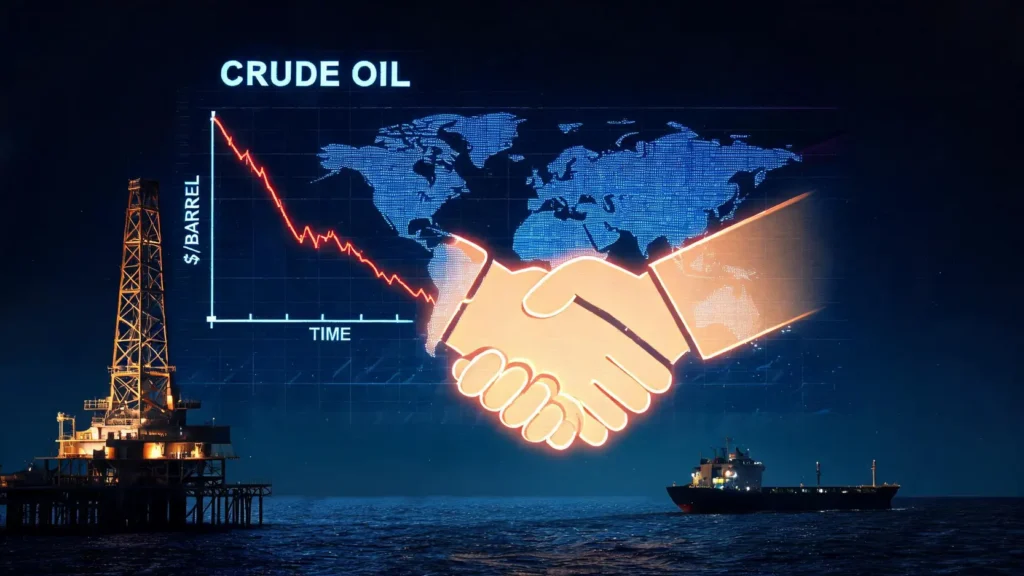
Oil prices don’t just reflect current supply and demand; they also price in the *possibility* of future disruptions. This is known as the geopolitical risk premium. A successful nuclear deal is, at its core, a de-escalation of conflict. It reduces the likelihood of military confrontation in the Persian Gulf and lowers the perceived threat to the Strait of Hormuz. As this tension premium deflates, the price of oil can fall by several dollars per barrel, even before a single extra barrel of Iranian oil has been loaded onto a tanker. Conversely, the breakdown of talks instantly inflates this premium.
Market Psychology and Speculative Trading
The energy market is famously forward-looking. Traders and algorithms react instantaneously to headlines, rumors, and diplomatic rhetoric. The mere *anticipation* of a deal can cause prices to fall, as speculators begin to price in the future increase in supply. This speculative activity often precedes the actual flow of oil by months. A tweet suggesting progress in negotiations can trigger a sell-off, while reports of a stalemate can prompt a rally. This psychological component explains the high volatility surrounding diplomatic talks and is a key factor in understanding short-term price fluctuations related to the Iran deal.
Historical Precedent: How Past Iran Deals Have Shifted the Market
To forecast the future, it is prudent to analyze the past. The market’s reaction to the original 2015 Joint Comprehensive Plan of Action (JCPOA) provides a powerful case study for how a nuclear agreement impacts oil prices.
The 2015 JCPOA Agreement: A Case Study in Price Drops
When the JCPOA was announced in July 2015, oil markets reacted swiftly. Brent crude prices fell by over $1 per barrel almost immediately. The anticipation of sanctions relief and the return of Iranian barrels to a market already grappling with a supply glut led to a sustained bearish trend. Analysis from the period confirms this sentiment; The World Bank projected at the time that the deal could lower global oil prices by as much as 14% in the following year as Iranian production ramped up. This historical event clearly demonstrates the market’s capacity to price in the effects of a deal well in advance and the significant downward pressure it creates.
Analyzing Market Reactions During Periods of Escalation and De-escalation
The market’s behavior following the U.S. withdrawal from the JCPOA in 2018 is equally instructive. The re-imposition of sanctions and heightened rhetoric immediately added a significant risk premium back into the price of oil. Threats from Iran to disrupt shipping in the Strait of Hormuz, even if not acted upon, caused prices to spike. This demonstrates the symmetric nature of the market’s reaction: just as de-escalation (a deal) removes the risk premium and adds supply (bearish), escalation (failed talks, renewed conflict) adds back the risk premium and removes supply (bullish).
Future Scenarios: What to Expect from a New Deal or a Collapse in Talks
Looking ahead to 2026 and beyond, the trajectory of oil prices remains heavily influenced by the outcome of negotiations with Iran. Two primary scenarios define the potential paths forward.
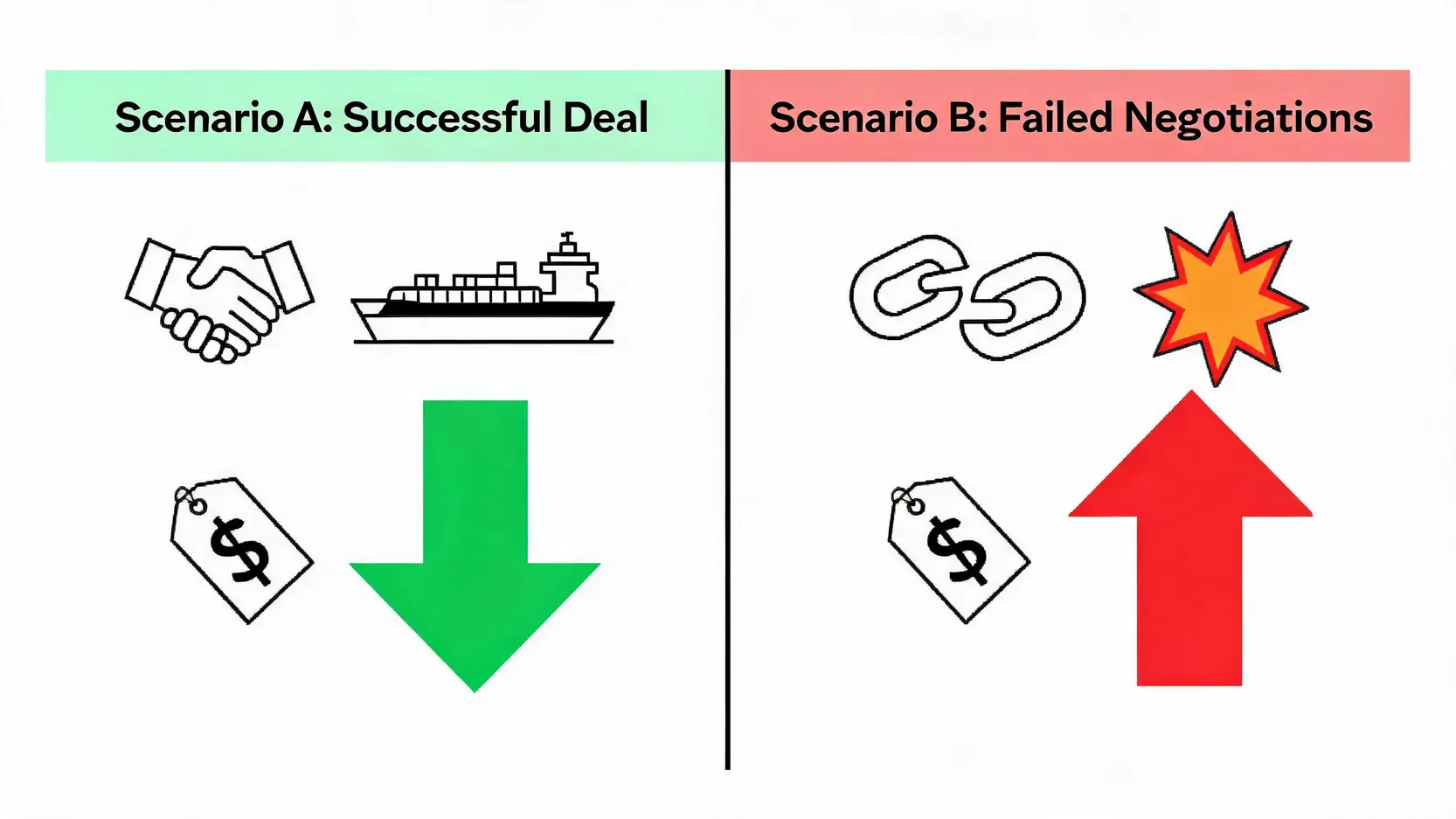
Scenario A: Successful Deal – The Path to Lower Prices
If a comprehensive agreement is reached and sanctions are verifiably lifted, the impact on oil prices would be decidedly bearish. We could expect to see an immediate price drop of 5-10% based on the reduction of the geopolitical risk premium alone. Over the following 6-18 months, as an additional 1.5 million b/d or more of Iranian crude gradually re-enters the market, this would create a significant supply-side headwind, potentially capping any major price rallies and helping to moderate global inflationary pressures. This scenario would be a welcome development for oil-importing nations and consumers worldwide.
Scenario B: Failed Negotiations – The Risk of a Price Spike
In the event of a definitive collapse in diplomatic talks, the market reaction would be sharply bullish. This outcome would signal the indefinite continuation of sanctions, keeping Iranian barrels off the market. More critically, it would heighten the risk of regional conflict, potentially leading to a substantial increase in the geopolitical risk premium. Any escalation, such as increased maritime tensions in the Strait of Hormuz, could trigger a price spike of over 20-30%, sending oil prices well into triple digits and creating severe economic headwinds for the global economy. This is the nightmare scenario for central bankers and governments already battling inflation.
Conclusion
The impact of an Iran nuclear deal on global oil prices is multifaceted, driven by a powerful combination of supply fundamentals, risk perception, and market psychology. In summary, a successful deal affects the market in three primary ways: it physically increases global oil supply by lifting sanctions, it psychologically reduces the geopolitical risk premium by de-escalating conflict, and it triggers speculative trading based on future expectations.
While a viable agreement has the clear potential to significantly lower crude oil prices and provide relief to the global economy, the final outcome remains subject to the complex and unpredictable nature of international diplomacy. For traders and investors, staying rigorously informed on these geopolitical developments is not just an option—it is a necessity for navigating the volatile energy markets of 2026.
Frequently Asked Questions (FAQ)
Q: How quickly could oil prices change after an Iran deal is announced?
A: The market reaction to the news itself would be almost instantaneous. Speculative traders would drive prices down within minutes or hours of a credible announcement. However, the physical impact on supply would be much slower. It could take six months to a year for Iran to significantly ramp up its production and export infrastructure to full capacity.
Q: Will an Iran deal directly translate to cheaper gas prices for consumers?
A: Yes, but not necessarily on a one-to-one basis or overnight. Crude oil is the primary input cost for gasoline, so a significant drop in crude prices will lead to lower prices at the pump. However, other factors like refinery capacity, local and state taxes, distribution costs, and seasonal demand also play a crucial role. A deal would create downward pressure, but the final price is complex.
Q: What other factors besides the Iran deal are influencing current oil prices?
A: Several other major factors are at play. These include the production decisions of the OPEC+ coalition, the rate of economic growth in major consuming countries like China and India, the level of U.S. shale oil production, global inventory levels, and the strength of the U.S. dollar. The Iran deal is a major variable, but it operates within this broader market context.
Q: Why is the Strait of Hormuz so critical in this context?
A: The Strait of Hormuz is the only sea passage from the Persian Gulf to the open ocean and is the world’s most vital oil chokepoint. A failure of diplomacy with Iran raises the perceived risk of a blockade or military conflict in this narrow channel, which would immediately halt nearly a quarter of the world’s traded oil. This potential for catastrophic disruption is why tensions in the region are a primary driver of the geopolitical risk premium in oil prices.