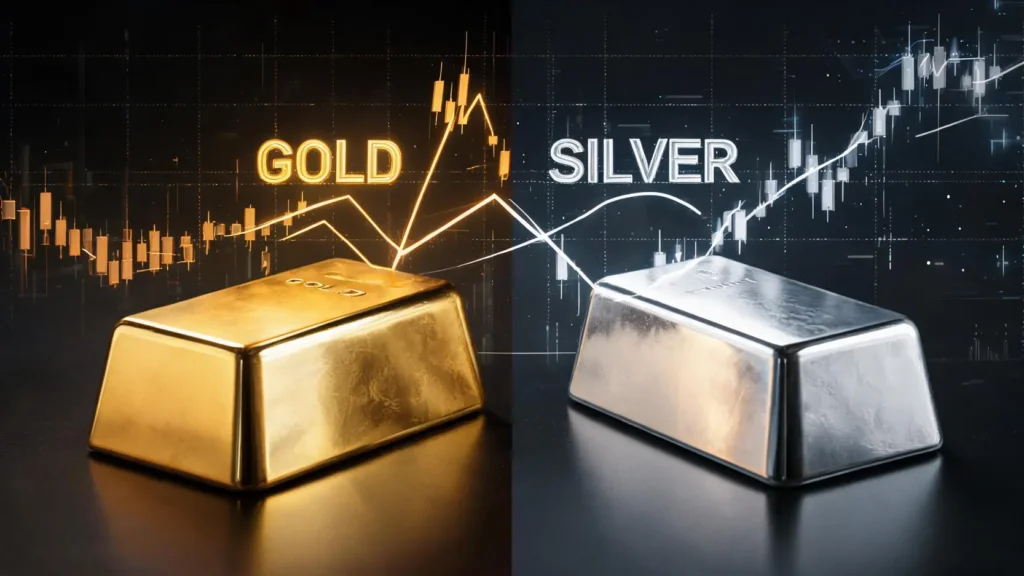
As we navigate the complex economic landscape of 2026, the age-old question for investors has resurfaced with renewed urgency: which precious metal offers the superior investment opportunity? This guide provides a comprehensive gold vs silver ETF 2026 analysis, examining the critical factors, expert forecasts, and strategic considerations to determine which metal will shine brightest in your portfolio. We will delve into a detailed comparison of Gold and Silver performance and explore what the pivotal Gold-to-Silver ratio analysis reveals about future price potential.
Table of Contents
Setting the Stage: A Look Back at the 2025 Precious Metals Market
The year 2025 was a tale of two distinct narratives for precious metals, setting the foundation for the strategic decisions investors face today. Understanding this recent history is crucial for forecasting performance in 2026.
Gold’s Performance: A Tale of Stability and Safe-Haven Demand
Gold reaffirmed its status as the ultimate safe-haven asset in 2025. Amid lingering inflation concerns and flashes of geopolitical instability in Eastern Europe and the South China Sea, gold saw consistent inflows. While it didn’t produce explosive gains, its performance was characterized by a steady, resilient climb. Central bank buying remained robust, providing a strong floor for prices. Investors flocked to gold ETFs as a hedge against market uncertainty, prizing its role as a portfolio stabilizer rather than a high-growth engine.
Silver’s Surge: Volatility Driven by Industrial and Investment Inflows
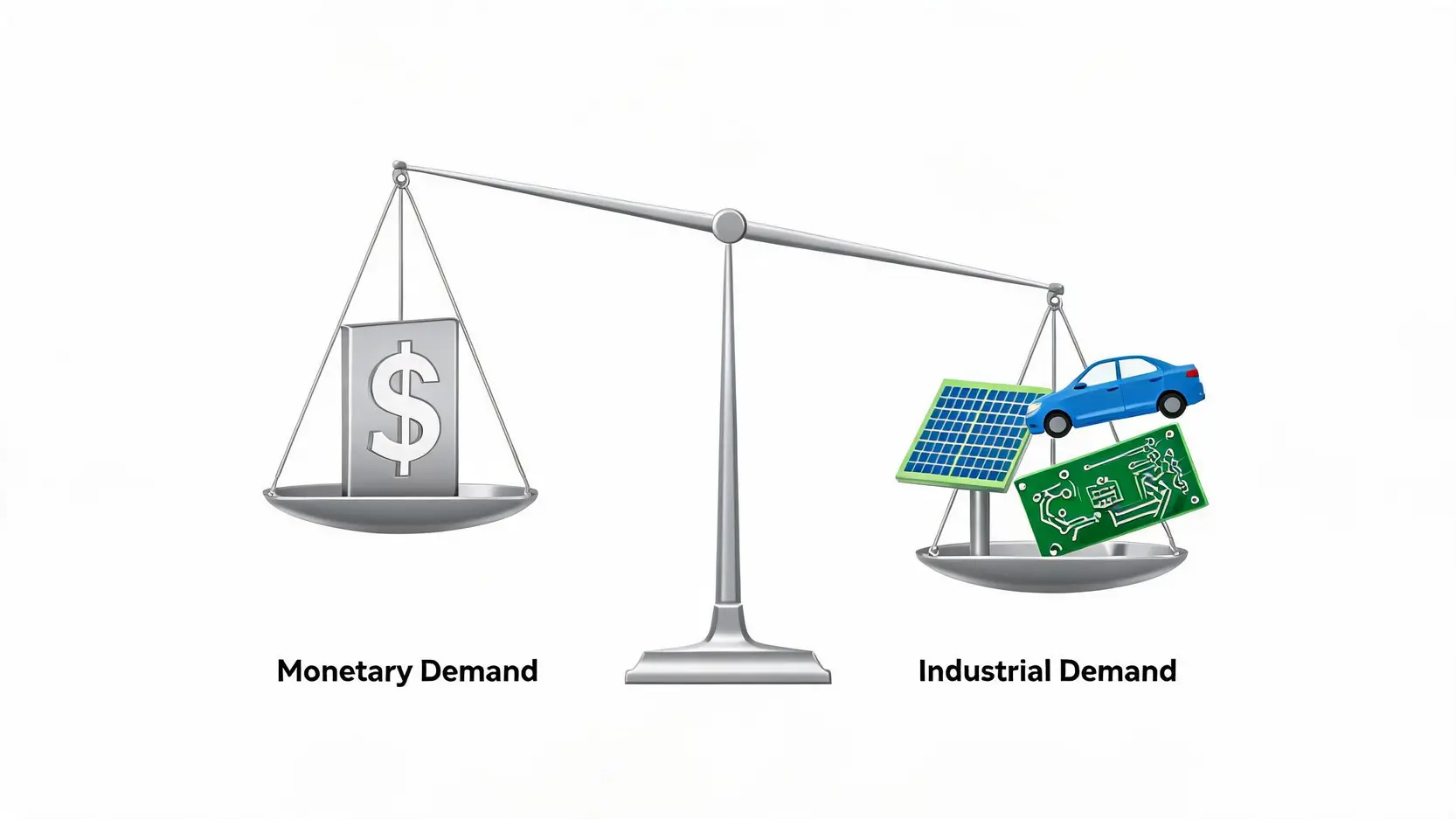
Silver, in contrast, experienced a far more volatile but ultimately rewarding year. Its dual nature as both a monetary and industrial metal was on full display. A surge in demand from the green energy sector—particularly in solar panel and electric vehicle manufacturing—provided a powerful tailwind. This, combined with speculative investment inflows from those betting on silver’s high beta, led to significant price swings. While it outperformed gold in terms of percentage gains, it also gave investors a much rougher ride, testing the conviction of even seasoned traders.
Key Economic Drivers for Gold & Silver Investment in 2026
The outlook for 2026 is being shaped by a unique confluence of macroeconomic factors. How these elements unfold will dictate the performance of both gold and silver ETFs.
Inflation and Interest Rate Outlook: Impact on Non-Yielding Assets
With inflation having cooled from its post-pandemic peaks, central banks are in a delicate position. The prevailing market sentiment points towards a potential cycle of monetary easing beginning in late 2026. A lower interest rate environment is typically bullish for non-yielding assets like gold and silver, as it reduces the opportunity cost of holding them. However, the *pace* of these cuts will be critical. A slow, methodical approach may lead to a gradual price appreciation, while any unexpected acceleration could ignite a significant rally.
The Role of Industrial Demand: Silver’s Green Energy Edge
This is where the paths of gold and silver diverge most sharply. Silver’s industrial demand remains a powerful and unique catalyst. The global push for decarbonization is not just a policy talking point; it’s a structural demand driver. According to a recent report from The Silver Institute, while overall industrial fabrication may see slight fluctuations, the demand from key growth sectors like photovoltaics (PV) and automotive continues to create a structural market deficit. This ‘green energy edge’ gives silver a growth narrative that gold simply does not possess, linking its value directly to technological and industrial progress.
Geopolitical Tensions and Market Sentiment
Global stability remains fragile. Ongoing trade negotiations between major economic blocs, coupled with regional conflicts, ensure that safe-haven demand is a permanent fixture in the market. Gold is the primary beneficiary of this uncertainty. Any escalation in geopolitical risk typically triggers a flight to quality, with gold ETFs being a primary destination for capital seeking refuge. Silver also benefits, but its industrial component can sometimes tether it to global growth concerns, muting its safe-haven response compared to gold.
The Case for Gold ETFs in 2026: Analyzing the Pros & Cons
Investing in a Gold ETF like GLD or IAU is a classic strategy, but it’s essential to weigh its specific advantages and disadvantages in the current economic climate.
Pro: The Ultimate Safe-Haven Asset
Gold’s primary role in a modern portfolio is as a shield. During times of economic turmoil, market crashes, or heightened geopolitical risk, gold has historically preserved capital better than most other assets. It is an instrument of wealth preservation. An allocation to a gold ETF acts as insurance against unforeseen systemic risks, making it a cornerstone for conservative and balanced investors. This is what is meant by a safe-haven asset—an investment expected to retain or increase in value during periods of market turbulence.
Pro: Lower Volatility Compared to Silver
The gold market is significantly larger and more liquid than the silver market. This depth, combined with its primary role as a monetary asset, results in demonstrably lower price volatility. For investors with a lower risk tolerance or those nearing retirement, the smoother price action of a gold ETF offers peace of mind and greater portfolio stability.
Con: Slower Growth Potential
The very stability that makes gold attractive is also its main drawback. Gold lacks the industrial demand component that can fuel explosive price growth in silver. Its price movements are primarily driven by investment demand, currency fluctuations, and central bank policy. Therefore, in a strong global growth environment (a ‘risk-on’ market), gold is likely to underperform more cyclically-sensitive assets, including silver.
The Case for Silver ETFs in 2026: Weighing the Higher Growth Potential
For investors with a greater appetite for risk, a Silver ETF such as SLV or SIVR presents a compelling, albeit more volatile, proposition.
Pro: High Growth Potential from Industrial Use
As discussed, silver is indispensable in some of the world’s fastest-growing industries. 📈 From solar panels and 5G networks to electric vehicles and medical devices, its applications are expanding. This creates a baseline of physical demand that is projected to grow irrespective of investment flows. This dual-driver nature means silver has the potential for significant outperformance during periods of economic expansion.
Pro: Historically Undervalued vs. Gold
The Gold-to-Silver ratio, which we will analyze next, often indicates that silver is undervalued relative to gold based on historical averages. When this ratio is high, it suggests that silver has more room to run to catch up to gold. Many analysts view this as a long-term value opportunity, arguing for an eventual reversion to the mean that would favor silver.
Con: Higher Volatility and Market Risk
Silver’s smaller, less liquid market makes it susceptible to dramatic price swings. Its industrial component also ties its fate more closely to the health of the global economy. A recession or economic slowdown could severely dampen industrial demand, leading to a sharp price decline. This makes silver ETFs inherently riskier than their gold counterparts and more suitable for investors with a longer time horizon and higher risk tolerance.
The Gold-to-Silver Ratio: What Is It Telling Us in 2026?
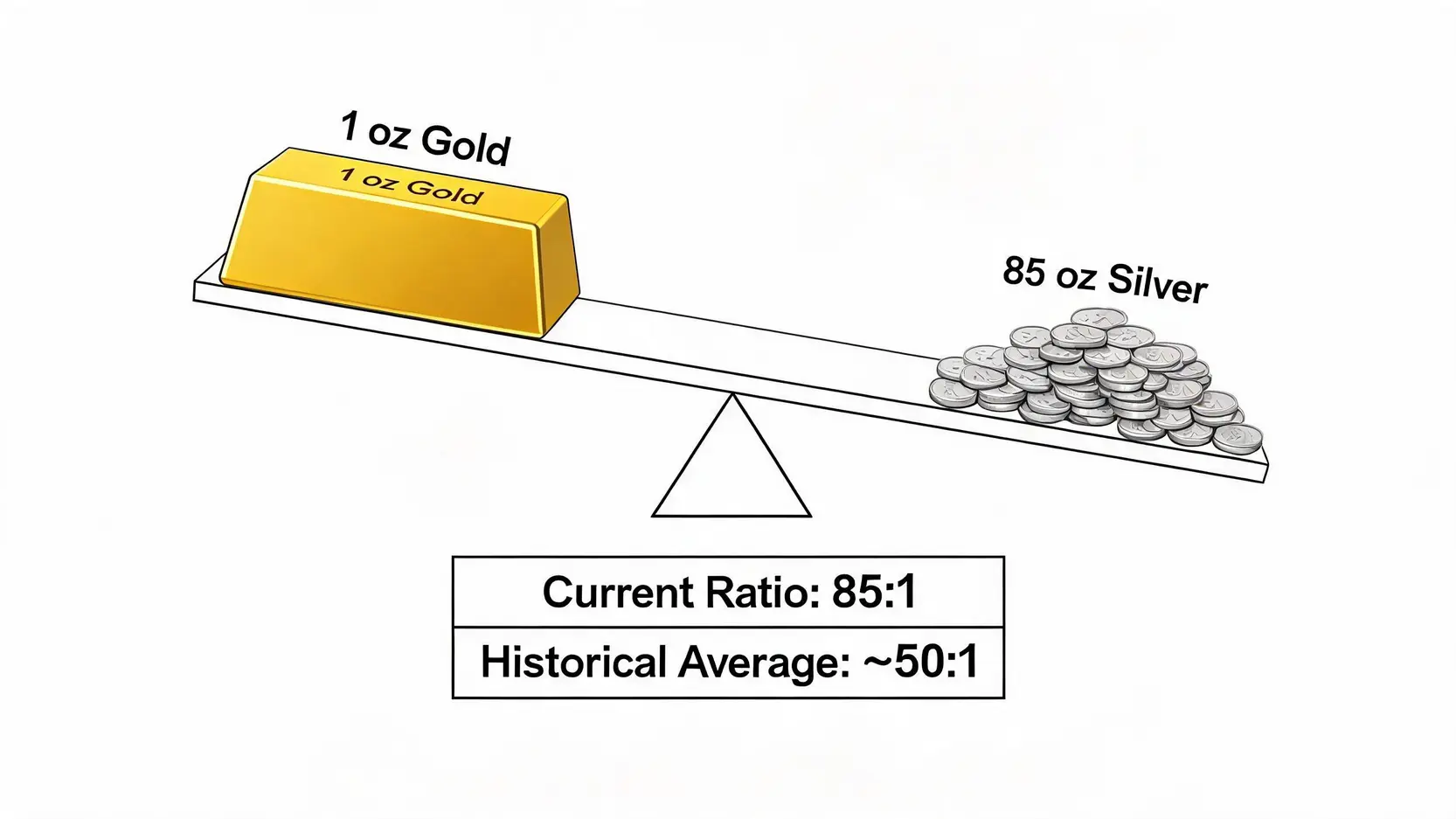
The Gold-to-Silver ratio is a powerful tool for analyzing the relative value of the two metals. It simply represents how many ounces of silver are needed to purchase one ounce of gold. Understanding its current level in the context of history provides valuable insight for your gold vs silver ETF 2026 decision.
Understanding the Historical Average
Historically, the ratio has fluctuated wildly, but the 20th-century average hovered around 50:1. In recent decades, it has trended significantly higher. As of mid-2026, the ratio stands at approximately 85:1. This is well above the historical average, leading many contrarian investors to believe that silver is fundamentally undervalued relative to gold.
Current Ratio Analysis and Future Projections
A high ratio of 85:1 suggests that silver has significantly more upside potential if the ratio reverts toward its historical mean. An investor might employ a strategy of buying silver when the ratio is high and rotating into gold when it contracts. For 2026, projections hinge on the economic outlook. A ‘soft landing’ and continued green energy investment could cause the ratio to fall, benefiting silver prices. Conversely, a sharp economic downturn could see investors flee to the relative safety of gold, potentially pushing the ratio even higher.
How to Invest: Popular Gold and Silver ETFs to Watch
Once you’ve decided on a metal, the next step is choosing the right Exchange-Traded Fund (ETF). Here are some of the top options based on assets under management (AUM) and liquidity.
Top 3 Gold ETFs by AUM and Liquidity
- SPDR Gold Shares (GLD): The largest and most liquid gold ETF in the world. Its sheer size makes it easy to trade, but it carries a slightly higher expense ratio.
- iShares Gold Trust (IAU): A popular, lower-cost alternative to GLD. It also boasts high liquidity and has been attracting significant assets due to its competitive fee structure.
- SPDR Gold MiniShares Trust (GLDM): Designed for retail investors, GLDM offers a lower share price and a lower expense ratio, making it more accessible for those investing smaller amounts.
Top 3 Silver ETFs for 2026 Exposure
- iShares Silver Trust (SLV): The largest and most well-known silver ETF. It offers unparalleled liquidity, making it the go-to choice for institutional traders and large investors.
- abrdn Physical Silver Shares ETF (SIVR): A strong competitor to SLV, SIVR’s main selling point is its lower expense ratio, which can make a significant difference over a long-term holding period.
- Global X Silver Miners ETF (SIL): For those seeking leveraged exposure, SIL invests in silver mining companies rather than physical silver. This can lead to amplified returns (and losses) relative to the spot price of silver.
Head-to-Head Comparison: Key Metrics for Your Decision
To make an informed choice, a direct comparison of key metrics is essential. These tables distill the core differences between investing in gold and silver ETFs for your 2026 portfolio.
Volatility vs. Growth Potential
| Metric | Gold ETFs | Silver ETFs |
|---|---|---|
| Volatility | Lower | Higher |
| Growth Potential | Moderate (Safe-Haven Driven) | High (Industrial & Monetary Driven) |
Correlation to Economic Cycles
| Economic Phase | Gold ETFs Performance | Silver ETFs Performance |
|---|---|---|
| Recession/Crisis | Typically outperforms (Flight to Safety) | Mixed/Underperforms (Industrial demand falls) |
| Expansion/Growth | Typically underperforms (Risk-on sentiment) | Typically outperforms (Industrial demand rises) |
ETF Expense Ratios and Tracking Error
The expense ratio is the annual fee charged by the ETF provider. While seemingly small, these costs compound over time. Understanding ETF expense ratios is critical. Tracking error refers to how well the ETF’s performance matches the spot price of the underlying metal.
| Factor | Consideration |
|---|---|
| Expense Ratios | Typically range from 0.15% to 0.50%. Lower is always better for long-term holds. (e.g., IAU vs. GLD, SIVR vs. SLV). |
| Tracking Error | Major ETFs have very low tracking error, but it’s worth checking for smaller, less liquid funds. |
Conclusion
The choice between gold vs. silver ETFs in 2026 is a strategic decision that hinges entirely on an investor’s individual risk tolerance, time horizon, and macroeconomic outlook. Gold offers unparalleled stability and acts as a crucial portfolio hedge in an uncertain world. It is the choice for capital preservation.
Silver, conversely, presents a higher-risk, higher-reward opportunity, intrinsically linked to the promising future of industrial and green technology. It is a bet on global growth and innovation.
For many, a diversified approach that includes an allocation to both metals may offer the most balanced path, capturing the defensive qualities of gold while retaining exposure to the dynamic growth potential of silver. A thorough assessment of your own financial strategy and market perspective is paramount before committing capital.
Frequently Asked Questions (FAQ)
Q: Which is better for a beginner investor, a gold or silver ETF?
A: For a true beginner, a gold ETF is generally considered the more suitable starting point. Its lower volatility provides a less stressful introduction to commodity investing and its role as a portfolio stabilizer is easier to understand. Silver’s wild price swings can be discouraging for new investors who are not accustomed to such volatility.
Q: How much of my portfolio should I allocate to precious metal ETFs?
A: Financial advisors typically recommend an allocation of 5% to 10% of a total investment portfolio to precious metals. This is considered enough to provide meaningful diversification and hedging benefits without overexposing the portfolio to the volatility of the commodities market. The exact percentage depends on your age, risk tolerance, and overall financial goals.
Q: Do silver ETFs have more risk than gold ETFs?
A: Yes, unequivocally. Silver ETFs are significantly riskier than gold ETFs due to three main factors: higher price volatility, a smaller and less liquid market, and a stronger correlation to the global economic cycle through its industrial demand component. This means its price can fall more sharply during an economic downturn.
Q: What is the impact of a strong US Dollar on gold and silver prices?
A: Typically, a strong US Dollar has an inverse relationship with both gold and silver prices. Because commodities are priced in dollars globally, a stronger dollar makes them more expensive for foreign buyers, which can reduce demand. Conversely, a weakening dollar tends to be bullish for precious metals prices.
Q: Should I invest in physical metal or an ETF?
A: ETFs offer superior liquidity, lower transaction costs, and ease of management (no storage or insurance concerns), making them ideal for most investors looking for price exposure. Physical metal is for those who want direct ownership and are hedging against systemic financial risk, but it comes with higher costs and significantly less liquidity.