
As we navigate the complex market of 2026, identifying companies with strong, sustainable earnings is more critical than ever. The search for the best earnings growth stocks 2026 requires a focus on enterprises poised for significant expansion, backed by solid fundamentals. This guide cuts through the noise to reveal top-tier companies with explosive earnings growth potential, offering a data-backed look at the stocks set to deliver significant returns and outperform the market.
Table of Contents
Why Focusing on Earnings Growth is a Winning Strategy for 2026
In a market environment characterized by shifting economic policies and technological disruption, a company’s ability to consistently grow its profits is a primary indicator of its health and long-term viability. Investors who prioritize earnings growth are essentially betting on the most innovative and efficient companies in the economy. This approach anchors an investment portfolio in fundamental strength, moving beyond speculative hype to focus on tangible results and profitability metrics.
The Link Between Earnings, Profitability, and Stock Price
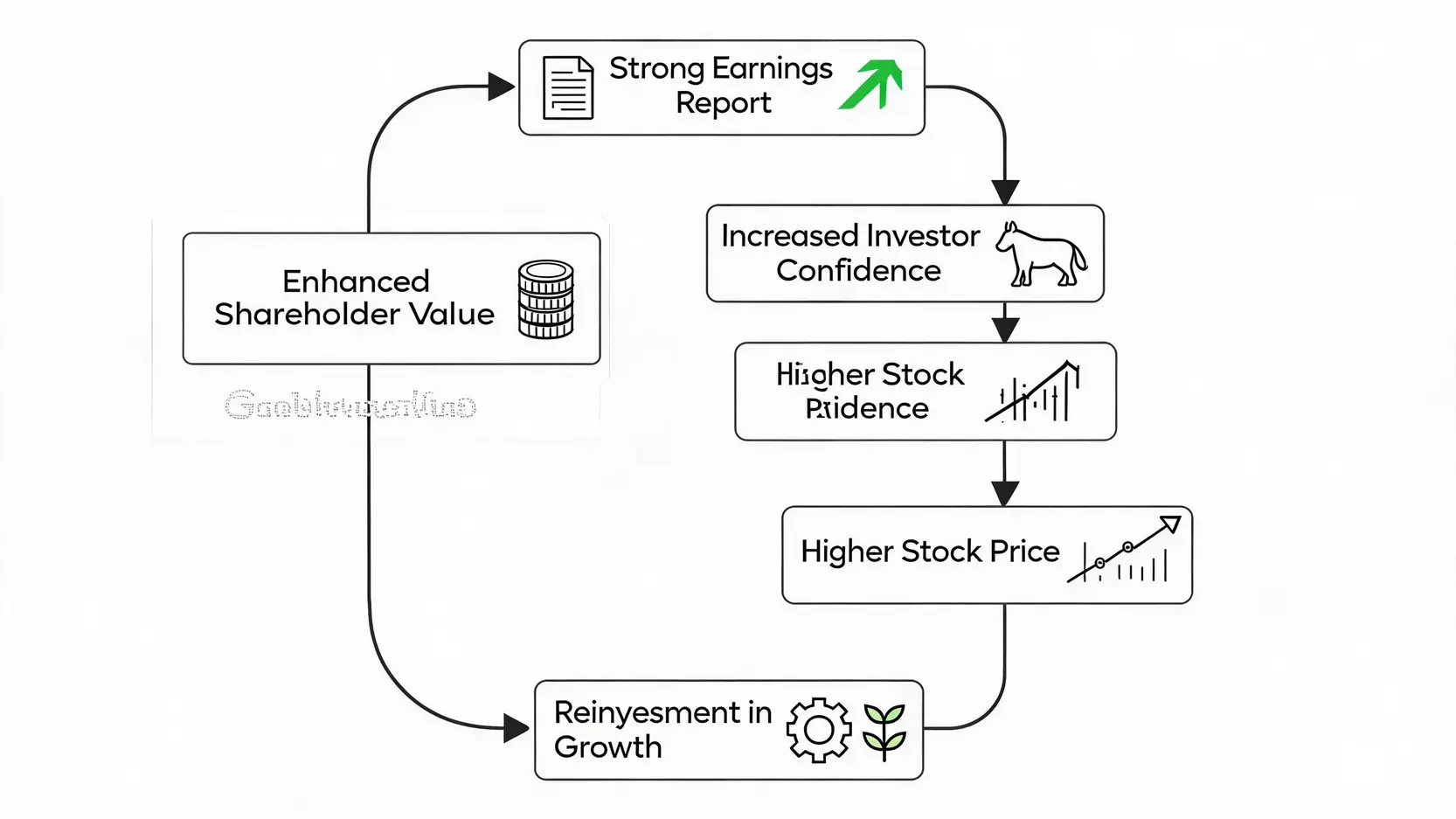
The core principle is straightforward: a company’s stock price is, over the long term, a reflection of its earnings power. Consistent growth in earnings per share (EPS) directly signals a company’s increasing value. When a company reports higher profits than anticipated, it often leads to a positive revision of future expectations, attracting more investors and driving up the stock price. This is because rising profits can fund further growth through R&D, fuel dividends and buybacks, and reduce debt—all activities that enhance shareholder value. Strong earnings are the engine of capital appreciation.
How to Differentiate Sustainable Growth from Temporary Spikes
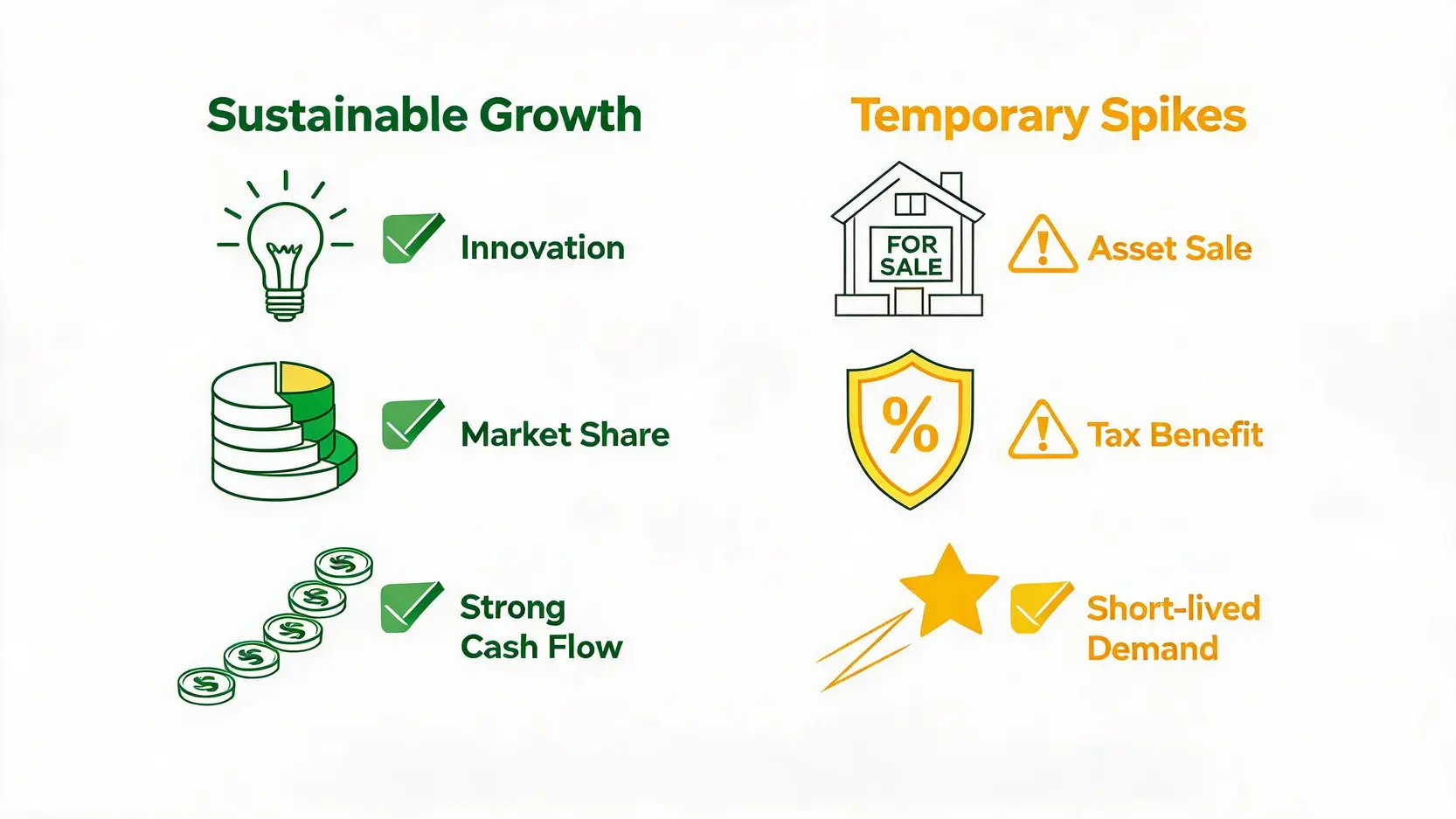
Not all growth is created equal. A critical skill for investors is distinguishing between sustainable, high-quality earnings growth and temporary, low-quality spikes. Sustainable growth is driven by core operational success: increasing market share, innovative products, pricing power, and expanding margins. It is consistent and predictable. In contrast, temporary spikes might result from one-off events like asset sales, favorable tax adjustments, or short-lived surges in demand. To identify sustainable growers, look for a multi-year track record of consistent revenue and EPS growth, strong free cash flow conversion, and a robust competitive moat that protects its market position.
Top 7 Earnings Growth Stocks to Watch in 2026
Here is a curated list of companies positioned for significant earnings acceleration in 2026. These selections are based on industry leadership, technological advantages, and strong secular tailwinds.
Stock #1: SynthAI Corp (SYAI) – Dominating the AI Sector
SynthAI Corp has cemented itself as a leader in enterprise-grade generative AI. While the initial hype cycle has matured, SYAI’s focus on proprietary data models for the financial and healthcare sectors has created a deep competitive moat. Its recurring revenue from high-margin SaaS subscriptions is driving impressive earnings acceleration. Analysts project a 45% EPS growth for 2026 as its AI-driven compliance and diagnostic tools become indispensable for Fortune 500 companies.
Stock #2: GeneVolution Therapeutics (GVTX) – A Healthcare Innovator
GeneVolution is at the forefront of personalized medicine, with a portfolio of CRISPR-based therapies moving into late-stage clinical trials. Its lead candidate for a rare genetic liver disorder has shown remarkable efficacy, pointing toward a blockbuster revenue stream. The market is beginning to price in the massive earnings potential, with profitability expected in late 2026. The company’s platform technology offers a pipeline of future treatments, suggesting a long runway for earnings growth.
Stock #3: QuantumLedger Financial (QLFN) – The Future of Fintech
Disrupting the traditional payment and settlement industry, QuantumLedger provides blockchain-based infrastructure for cross-border transactions. Its technology reduces settlement times from days to seconds and drastically cuts costs for financial institutions. As adoption accelerates, QLFN’s transaction-based revenue model is scaling rapidly. With several major banking partnerships announced, earnings are forecast to triple in 2026 as transaction volumes surge.
Stock #4: NextGen Power Solutions (NGPS) – Leading the Green Energy Transition
NextGen Power is a critical player in the renewable energy ecosystem. It doesn’t build wind or solar farms; instead, it provides the advanced battery storage and AI-powered grid management software necessary to make renewable energy reliable. With massive government investments in grid modernization globally, NGPS is securing long-term, high-margin contracts. Its earnings are becoming more predictable and are expected to grow by over 50% in 2026 as major infrastructure projects come online. Savvy investors can explore this sector further with a dedicated guide to renewable energy stocks.
Stock #5: OmniVerse Realities (OVR) – A Resurgent Tech Giant
After pivoting from the consumer metaverse hype, OmniVerse has found its stride in developing industrial-grade digital twins and simulation platforms. Industries from aerospace to urban planning use OVR’s technology to model complex systems, saving billions in development costs. This strategic shift has transformed OVR into a high-growth enterprise software company with rapidly expanding margins. The market has taken notice, and forward earnings estimates reflect a renewed and sustainable growth trajectory.
Stock #6: SwiftRoute Logistics (SRLG) – E-commerce and Logistics Leader
SwiftRoute operates a network of highly automated warehouses and a fleet of autonomous delivery drones and vehicles. It provides a ‘logistics-as-a-service’ platform for e-commerce companies, enabling them to compete with giants like Amazon. As e-commerce continues its relentless growth, SRLG’s scalable, efficient model is capturing significant market share. Earnings are inflecting upwards as its network density improves, leading to higher efficiency and operating leverage.
Stock #7: CyberTrust Analytics (CTSA) – The Under-the-Radar Software Star
In an era of sophisticated digital threats, CyberTrust Analytics provides a predictive cybersecurity platform powered by machine learning. Instead of just reacting to breaches, its software identifies vulnerabilities and predicts attack vectors before they occur. This proactive approach is driving a surge in demand from both corporations and governments. With a 98% customer retention rate and expanding contract values, CTSA is on track for over 60% earnings growth in the coming year.
Key Sectors Driving Earnings Growth in 2026
The companies listed above are not isolated successes; they represent broader trends powering corporate profits. Understanding these high-growth sectors is crucial for identifying the next wave of market leaders.
Artificial Intelligence and Machine Learning
AI has moved from a speculative technology to a core driver of productivity. Companies that successfully integrate AI into their products and operations are seeing significant margin expansion and revenue growth. The focus in 2026 is on practical applications—AI that automates workflows, enhances drug discovery, and optimizes supply chains. The true value is being captured by companies that can demonstrate tangible ROI for their customers. An investor’s journey into this area can begin with a comprehensive AI stocks investing guide.
Biotechnology and Personalized Medicine
Advances in genomics and data analytics are ushering in a new era of healthcare. Personalized medicine, which tailors treatments to an individual’s genetic profile, is no longer science fiction. Companies in gene editing, cell therapy, and AI-driven diagnostics are poised for explosive growth as their innovations receive regulatory approval and gain clinical adoption. This sector offers some of the highest growth potential, albeit with corresponding clinical trial risks.
Renewable Energy and EV Infrastructure
The global transition away from fossil fuels is an unstoppable, multi-decade trend. While the spotlight is often on solar panel and EV manufacturers, the most compelling earnings growth stories are frequently in the supporting infrastructure. This includes battery technology, smart grid software, charging networks, and rare earth material recycling. These ‘picks-and-shovels’ plays are essential for enabling the green transition and benefit from massive public and private investment.
How to Analyze and Vet High-Growth Stocks Yourself
Identifying promising stocks is only the first step. Rigorous analysis is required to validate the growth story and assess valuation. A solid stock financial ratio analysis guide can provide the foundational knowledge needed.
Essential Metrics: Understanding P/E, PEG, and Forward Earnings
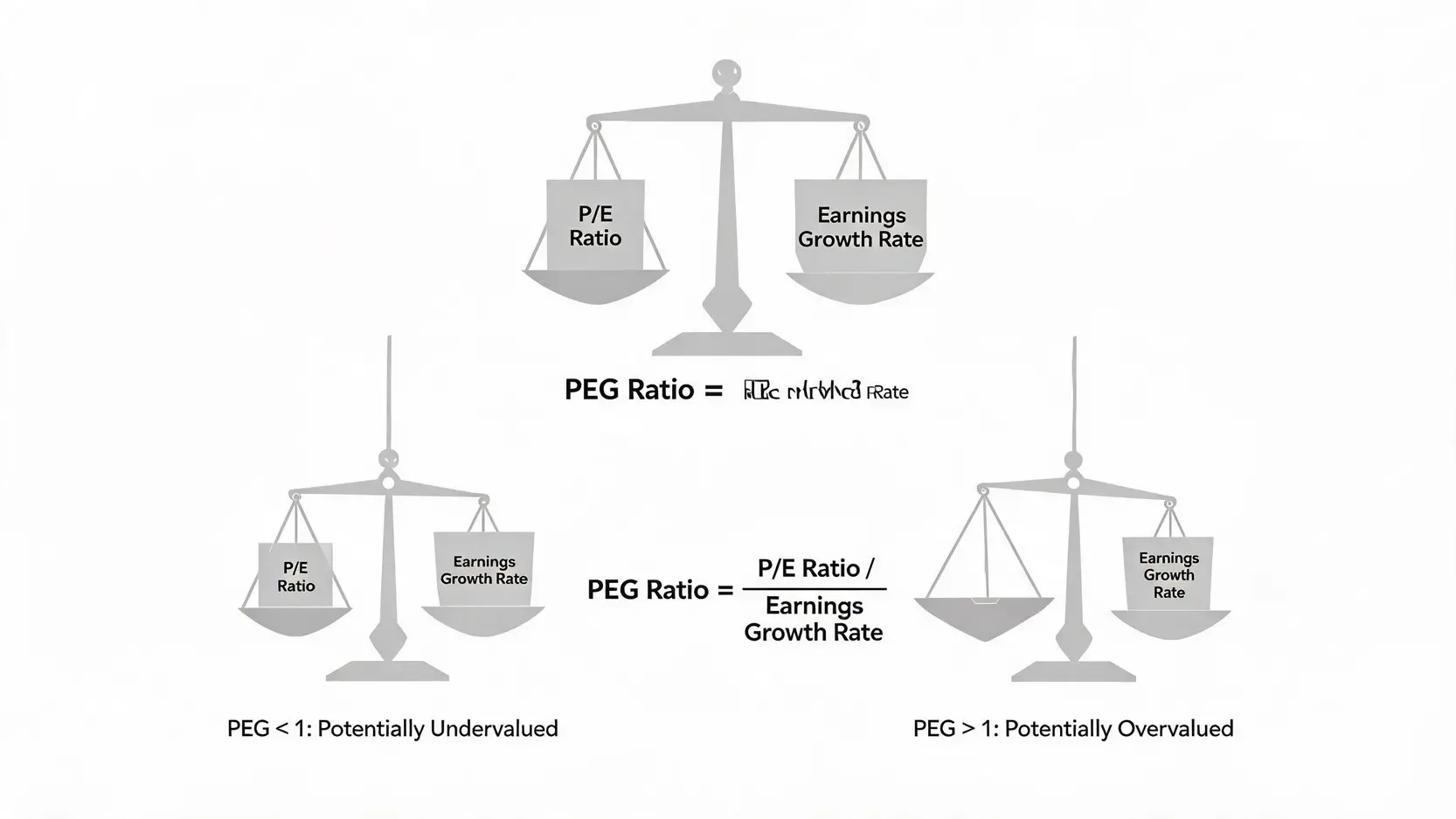
While traditional metrics like the Price-to-Earnings (P/E) ratio are useful, they can be misleading for high-growth companies. A high P/E might simply reflect the market’s expectation of rapid future growth. A more insightful metric is the Price/Earnings-to-Growth (PEG) ratio. As defined by Investopedia, the PEG ratio adjusts the traditional P/E by factoring in the company’s expected earnings growth rate. A PEG ratio around 1.0 is often considered fairly valued, while a ratio significantly below 1.0 may suggest the stock is undervalued relative to its growth prospects. Furthermore, always focus on forward earnings estimates, as they reflect future expectations, which are what truly drive stock prices for growth companies.
Reading Analyst Reports and Insider Trading Filings
Professional analyst reports provide deep dives into a company’s business model, competitive landscape, and financial projections. While not infallible, they offer a structured way to understand the bull and bear cases for a stock. Equally important is monitoring insider trading activity. Filings with regulatory bodies like the SEC can reveal whether executives and directors are buying or selling shares. A pattern of significant insider buying can be a powerful vote of confidence in the company’s future prospects.
Conclusion
In summary, targeting stocks with superior earnings growth projections is a powerful and proven strategy for navigating the 2026 market. Companies at the nexus of major secular trends like Artificial Intelligence, biotechnology, and green energy infrastructure are demonstrating immense potential for profit expansion. By focusing on the 7 stocks listed, understanding the key sectors driving this growth, and conducting thorough due diligence using metrics like the PEG ratio, investors can position themselves for substantial long-term success. The key is to look beyond the hype and anchor investment decisions in the fundamental driver of all stock market returns: sustainable earnings growth.
Frequently Asked Questions (FAQ)
Q: What is the main difference between growth stocks and value stocks?
A: The primary distinction lies in how they are valued and their business focus. Growth stocks are shares in companies expected to grow their sales and earnings at a faster rate than the market average. Investors buy them for capital appreciation, often paying a premium valuation for that potential. Value stocks, on the other hand, trade at a price below their intrinsic or book value. Investors buy them believing the market has unfairly punished them and that their price will eventually revert to their true worth. You can dive deeper into this topic with our guide on growth stocks vs value stocks explained.
Q: How much of a portfolio should be allocated to high-growth stocks?
A: There is no one-size-fits-all answer. The ideal allocation depends heavily on an individual’s risk tolerance, investment timeline, and financial goals. Younger investors with a long time horizon might allocate a larger portion (e.g., 20-30%) to high-growth stocks. Investors closer to retirement may prefer a smaller, more conservative allocation (e.g., 5-10%). It’s crucial to balance the high-return potential of growth stocks with their inherent volatility.
Q: What are the biggest risks associated with investing in earnings growth stocks?
A: The primary risks are valuation risk (paying too high a price based on optimistic future growth that fails to materialize), execution risk (the company failing to execute its business plan and meet growth expectations), and market volatility. High-growth stocks are often more sensitive to changes in interest rates and market sentiment, leading to larger price swings than more established, value-oriented companies.