Navigating the volatile and complex semiconductor market can be a daunting endeavor for even the most seasoned investors. With the recent and explosive boom in artificial intelligence, Micron Technology NASDAQ (MU) has emerged as an undeniably critical player in the global technology ecosystem. This comprehensive guide explores MU’s current market position, its future growth drivers, and fundamentally, whether it deserves a spot in a well-diversified investment portfolio. The year 2026 has brought unprecedented shifts in the technological landscape, accelerating the need for high-performance memory and storage solutions.
Understanding the intricacies of comprehensive MU stock analysis and the nuances of semiconductor memory cycles is absolutely essential for any investor seeking to capitalize on the next massive wave of technological advancement. By examining its financial performance, strategic maneuvers, and operational efficiency in 2026, we can gain a clearer, data-driven perspective on how Micron stands in a fiercely competitive landscape.
The convergence of cloud computing, edge AI, and advanced automotive technologies has created a perfect storm of demand, and Micron stands precisely at the intersection of these megatrends. This deep dive will unpack the layers of Micron’s business model, providing you with the authoritative insights needed to navigate the equity markets effectively.
Table of Contents
In-Depth Overview of Micron Technology (NASDAQ: MU) and Its Market Position
Company Background and Industry Position
Micron Technology, headquartered in Boise, Idaho, remains a formidable powerhouse in the global semiconductor landscape. Founded in 1978, the company has weathered decades of extreme cyclicality to emerge as one of the few surviving pure-play memory manufacturers. As of mid-2026, the company continues to establish itself as a vanguard in innovative memory and storage solutions. The broader technology sector has witnessed a paradigm shift toward data-heavy applications, and Micron has adapted by focusing intensely on cutting-edge research and development.
The global footprint of Micron includes advanced fabrication facilities (fabs) spread across the United States, Japan, Taiwan, and Singapore. This geographical diversification is a strategic moat that protects the company against localized supply chain shocks. As enterprise data centers expand globally to support increasingly complex computational needs—from generative AI training to predictive analytics—the demand for high-performance, reliable components has skyrocketed. Micron’s ability to consistently deliver top-tier semiconductor hardware has cemented its industry standing, making its stock a focal point for institutional portfolio managers and retail investors alike.
A thorough examination of the MU stock market position reveals that Micron is not merely a component supplier; it is an enabler of the digital economy. Without the vast quantities of DRAM and NAND flash produced by Micron, the rapid advancement of artificial intelligence and high-performance computing would grind to a halt. This structural importance provides a robust floor for the company’s long-term valuation.
Core Business: DRAM and NAND Flash Solutions
The fundamental foundation of Micron’s revenue generation lies squarely in its Dynamic Random Access Memory (DRAM) and NAND flash solutions. These two components represent the memory and storage backbone of virtually all modern computing devices. They are integral to a vast array of consumer electronics, enterprise infrastructure, telecommunications equipment, and next-generation automotive applications.
In 2026, the continuous evolution of DRAM technology, particularly the rapid industry-wide transition to advanced nodes utilizing Extreme Ultraviolet (EUV) lithography, has allowed Micron to offer enhanced processing speeds, significantly improved power efficiency, and far greater capacity. DRAM acts as the short-term working memory for processors, and as central processing units (CPUs) and graphics processing units (GPUs) become exponentially faster, the bandwidth of DRAM must keep pace to prevent processing bottlenecks.
NAND flash, which is crucial for long-term, non-volatile data storage, has also seen remarkable technological advancements. Micron has successfully commercialized ultra-high layer-count 3D NAND architectures, pushing well beyond traditional limits. This allows for massive data storage capacities in remarkably small physical footprints, a critical requirement for sleek mobile devices and dense enterprise servers.
- Compute and Networking Business Unit (CNBU): Provides memory products sold into client, cloud server, enterprise, graphics, and networking markets.
- Mobile Business Unit (MBU): Offers memory products sold into smartphone and other mobile-device markets.
- Embedded Business Unit (EBU): Focuses on memory and storage products sold into automotive, industrial, and consumer markets.
- Storage Business Unit (SBU): Supplies Solid State Drives (SSDs) and component-level solutions for enterprise, cloud, and client storage markets.
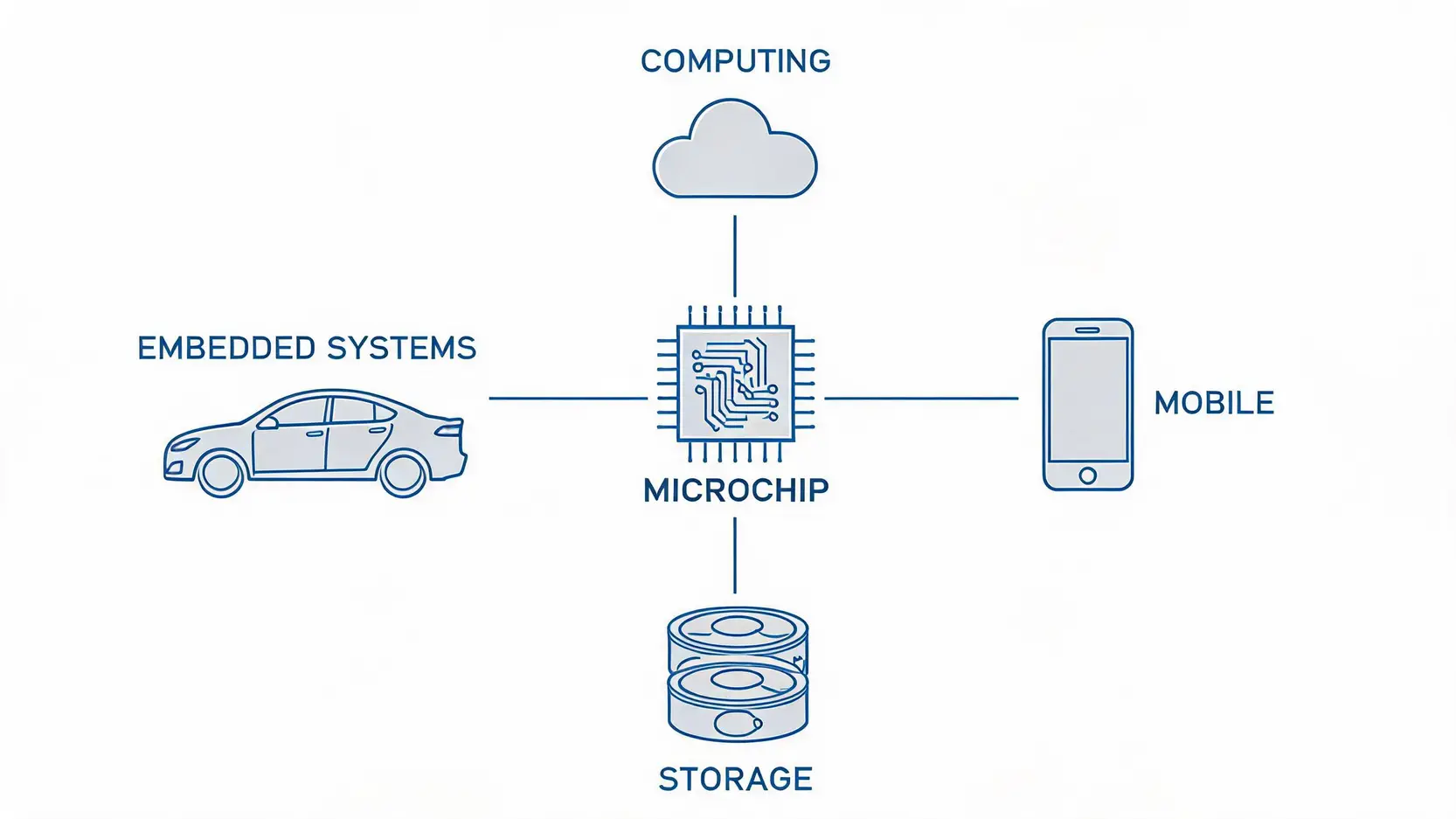
The synergy between these core segments ensures that Micron is extraordinarily well-equipped to meet the rigorous demands of modern data processing. By maintaining technological parity—and in some cases, distinct leadership—over its rivals, Micron secures lucrative, high-margin contracts that drive sustainable profitability.
Key Drivers Fueling MU Stock Performance and Future Growth
The AI Revolution and Surging HBM Demand
The relentless, structural expansion of artificial intelligence has catalyzed an unprecedented and enduring demand for High Bandwidth Memory (HBM). HBM is a highly specialized, intensely complex memory architecture that stacks multiple DRAM chips vertically, connecting them through microscopic through-silicon vias (TSVs). This design is absolutely critical for AI accelerators, facilitating the massive data transfer rates required for training and deploying large language models and neural networks.
In 2026, Micron has aggressively expanded its HBM production capacity, particularly its industry-leading HBM3E products, directly addressing the severe bottlenecks in global AI infrastructure. By securing strategic, multi-year partnerships with the world’s leading GPU designers and hyperscale cloud service providers, Micron has strategically positioned itself at the absolute epicenter of the AI hardware supply chain.
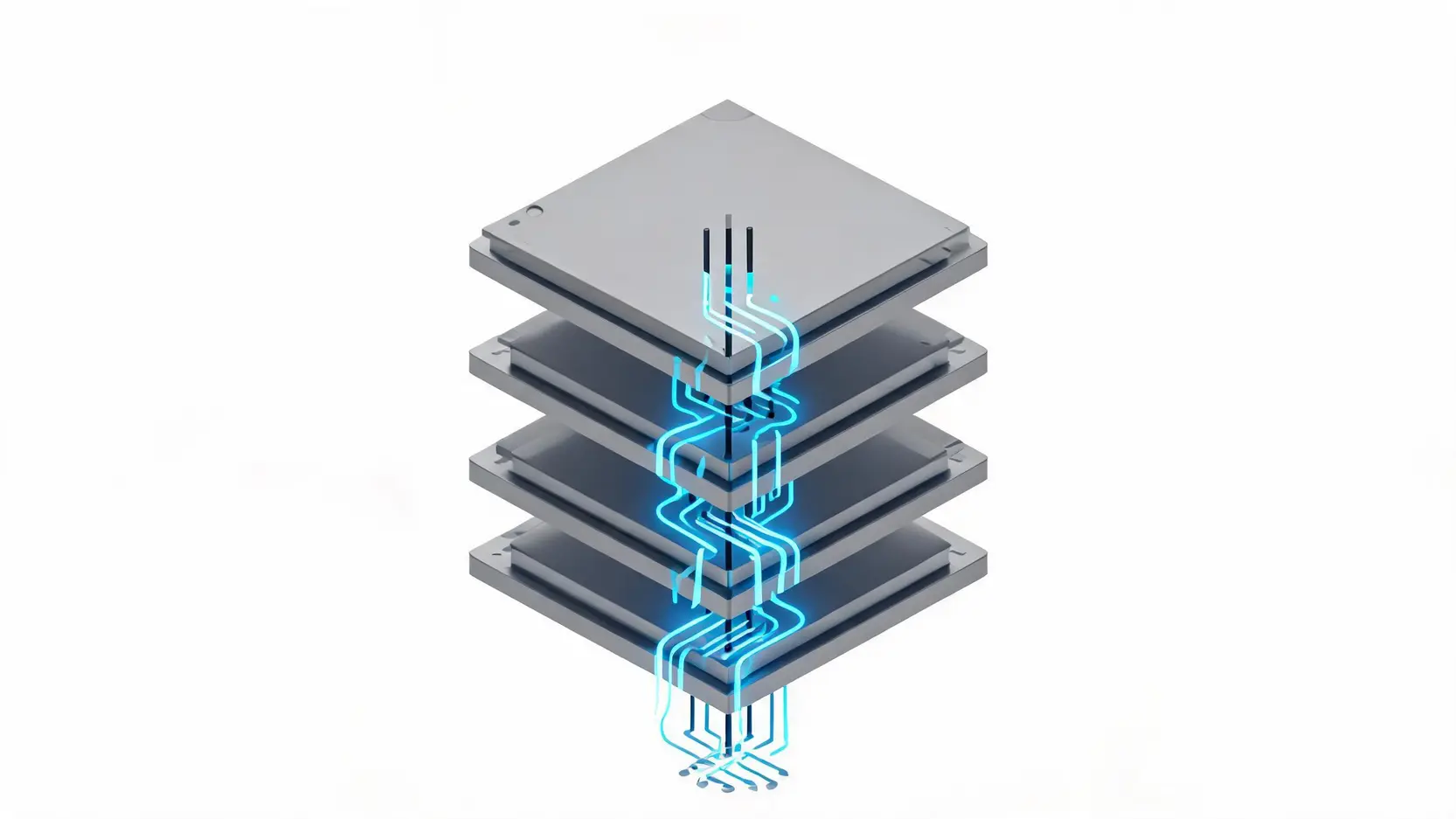
The surging HBM demand serves as a primary, high-octane catalyst among the drivers fueling MU stock performance. HBM products carry significantly higher gross margins compared to commoditized standard DRAM, meaning that as HBM becomes a larger percentage of Micron’s overall product mix, the company’s blended gross margin expands. This margin expansion is a powerful engine for earnings per share (EPS) growth, which is ultimately the most significant driver of stock price appreciation. For more insights on related technology investments and portfolio structuring, exploring top AI Stocks provides a much broader and necessary market context.
Navigating Semiconductor Memory Cycles
The semiconductor memory industry is notoriously and historically cyclical. It is characterized by periods of severe supply shortages, which lead to skyrocketing prices and massive profits, inevitably followed by periods of overcapacity, plunging prices, and significant operating losses. However, the fundamental dynamics of these memory cycles are shifting in profound ways.
In 2026, the proliferation of AI data centers, sophisticated edge computing architectures, and a vast ecosystem of IoT (Internet of Things) devices has created a much more sustained and diversified demand baseline. This structural shift is potentially dampening the severity of traditional bust cycles. Memory is no longer just reliant on PC and smartphone upgrade cycles; it is now an indispensable raw material for the AI economy.
Micron’s executive management team has adopted a highly disciplined capital expenditure (CapEx) strategy. Rather than blindly chasing market share by flooding the market with excess chips, the company exercises proactive supply management. By tightly controlling output and matching wafer starts to actual customer demand, Micron has enabled the company to navigate these fluctuations with far greater financial resilience.
Investors and institutional analysts closely monitor these semiconductor memory cycles, as they directly and immediately impact pricing power, gross margins, and overall profitability. When the cycle turns favorable, the operating leverage inherent in semiconductor manufacturing results in explosive cash flow generation. Conversely, during downcycles, a strong balance sheet is required to weather the storm. Micron’s current financial posture allows it to invest heavily in R&D even during cyclical troughs, ensuring it emerges stronger during the inevitable recovery phases.
Strategic Market Positioning: Micron vs. Competitors in the Semiconductor Landscape
Market Share Comparison with Samsung and SK Hynix
In the global memory semiconductor market, Micron competes directly and fiercely with two South Korean mega-conglomerates: Samsung Electronics and SK Hynix. This three-player oligopoly effectively controls the vast majority of all DRAM and NAND production worldwide. Understanding MU vs competitors in the semiconductor landscape is crucial for evaluating its long-term viability.
Historically, Samsung and SK Hynix have held larger overall market shares, leveraging their massive scale and deep pockets. However, Micron has systematically and impressively closed the technology gap. In fact, in several recent node transitions, Micron has arguably been the first to achieve volume production, a testament to its exceptional engineering prowess.
In the crucial year of 2026, Micron’s aggressive and successful push into advanced HBM3E and future iterations has allowed it to capture significant and highly lucrative market share in the premium AI memory segment. While SK Hynix initially established an early lead in HBM, Micron’s superior power efficiency specifications have made its products highly sought after by hyperscalers looking to minimize energy consumption in their massive data centers.
The competitive landscape requires absolute, relentless innovation. Micron’s flawless execution in scaling up production yields—the percentage of functional chips per silicon wafer—has been a critical differentiator. High yields lead directly to lower unit costs, allowing Micron to maintain profitability even when competitors initiate aggressive pricing wars.
Geopolitical Factors and U.S. Semiconductor Subsidies
Macroeconomic and geopolitical tensions, alongside the aggressive restructuring of global technology supply chains, profoundly impact the semiconductor industry. As the most prominent U.S.-based memory manufacturer, Micron benefits extraordinarily from domestic policies designed to aggressively reshore semiconductor production.
The strategic, national security importance of technological sovereignty has led to substantial government subsidies, grants, and massive tax incentives for the construction of domestic fabrication facilities. Landmark legislation has provided billions of dollars in funding to support companies building fabs on American soil.
These geopolitical factors dramatically mitigate supply chain risks and provide Micron with a distinct, structural advantage. It allows the company to secure highly favorable, long-term supply contracts with domestic defense contractors, aerospace firms, and enterprise clients who are deeply concerned about the risks of over-reliance on foreign manufacturing in politically sensitive regions. The construction of massive new mega-fabs in key states guarantees that Micron will remain a central pillar of the U.S. industrial base for decades to come.
Valuation Metrics: Is MU Undervalued?
Analyzing intricate valuation metrics is absolutely essential to determine whether Micron Technology NASDAQ stock is currently undervalued by the broader market. By rigorously evaluating the forward price-to-earnings (P/E) ratio, price-to-book (P/B) ratio, enterprise value to EBITDA (EV/EBITDA), and fundamentally, free cash flow generation, sophisticated investors can accurately gauge the stock’s intrinsic value.
In 2026, despite a significant and highly publicized rally in its share price, extensive financial models project incredibly robust forward earnings. This is primarily driven by the explosion in high-margin HBM sales and a surprisingly favorable pricing environment in the standard DRAM and NAND markets. The rapid obsolescence of older data center hardware is forcing a massive global upgrade cycle, heavily favoring memory suppliers.
When factoring in the widely anticipated multi-year upcycle fueled by relentless AI infrastructure investments, many quantitative financial models suggest that MU stock may still possess considerable upside potential relative to its historical valuation bands. The market often misprices cyclical stocks at the beginning of an upcycle, underestimating the sheer magnitude of peak earnings. Reviewing authoritative documents, such as the Micron Technology First Quarter Fiscal 2026 Results, provides concrete, indisputable financial data supporting these bullish assessments, demonstrating adjusted free cash flows that validate the company’s aggressive growth narrative.
Deep Dive into Micron’s Financial Health and 2026 Projections
Revenue Growth and Margin Expansion
When establishing a reliable MU stock price forecast, one must meticulously analyze the company’s income statement and balance sheet. In 2026, Micron has demonstrated exceptional top-line revenue growth. The transition from a period of inventory digestion in previous years to a phase of acute supply constraints has resulted in favorable pricing dynamics. Average Selling Prices (ASPs) for both DRAM and NAND have experienced sequential double-digit percentage increases.
This pricing power directly translates to gross margin expansion. Because the fixed costs of operating a semiconductor fabrication plant are exceptionally high, any increase in ASPs flows almost entirely to the bottom line. Analysts projecting the 2026 and 2027 fiscal years anticipate gross margins returning to and potentially exceeding historical peaks, driven largely by the incredibly lucrative HBM segment.
Capital Expenditure and Free Cash Flow Generation
A critical metric for any capital-intensive business is the balance between Capital Expenditure (CapEx) and Free Cash Flow (FCF). Micron has historically reinvested a massive portion of its operating cash flow back into the business to fund the construction of new fabs and the purchase of extremely expensive advanced lithography machines.
However, management’s disciplined approach in 2026 focuses on capital intensity reduction. This means they are striving to generate more revenue per dollar of CapEx. By achieving this, Micron unleashes massive amounts of Free Cash Flow. Here is a conceptual breakdown of how free cash flow is utilized to drive shareholder value:
- Share Repurchases: Buying back common stock in the open market, reducing the outstanding share count, and mathematically boosting Earnings Per Share (EPS).
- Dividend Payments: Providing a steady, predictable cash return to long-term shareholders, signaling immense operational confidence.
- Debt Reduction: Paying down long-term liabilities to strengthen the balance sheet and reduce interest expenses, providing a buffer against future cyclical downturns.
- Strategic Acquisitions: Occasionally acquiring smaller technology firms or crucial intellectual property to bolster their core competencies.

Risk Factors to Consider
While the bullish thesis for Micron is highly compelling, a comprehensive analysis must objectively address potential macroeconomic and sector-specific risks. Understanding these parameters is vital for robust portfolio construction.
- Macroeconomic Slowdown: A severe global recession could significantly dampen enterprise IT spending, leading to reduced demand for cloud servers and personal computing devices.
- Overcapacity Risks: If competitors Samsung and SK Hynix aggressively expand capacity simultaneously, it could lead to an oversupply situation, rapidly crashing memory prices.
- Geopolitical Escalation: Any major disruption in broader Asian supply chains could temporarily halt the flow of crucial raw materials or the export of finished semiconductor goods.
- Technological Obsolescence: Failure to perfectly execute the highly complex technology roadmap could result in immediate market share losses to ruthless competitors.
Conclusion on Micron Technology (MU) Stock Outlook
The trajectory of Micron Technology NASDAQ (MU) fundamentally mirrors the broader evolution of the global digital economy. As we progress deeper into 2026, the company remains an absolutely foundational stock for those sophisticated investors looking to intelligently capitalize on the irreversible semiconductor and artificial intelligence megatrends. The company’s brilliant and timely strategic pivot towards ultra-high-value memory solutions, particularly its undisputed leadership in advanced High Bandwidth Memory, positions it exceptionally favorably within an increasingly data-centric and compute-heavy world.
By comprehensively understanding its nuanced market cycles, its robust competitive edge against massive international rivals like Samsung and SK Hynix, and the broader macroeconomic and geopolitical factors at play, investors can make vastly more informed and rational capital allocation decisions. Furthermore, the ongoing, unprecedented investments in domestic U.S. manufacturing—supported by substantial government initiatives—further solidify its long-term, secular growth trajectory while drastically reducing geopolitical risk premiums.
The semiconductor industry will undoubtedly remain volatile, but the baseline demand for memory and storage has been permanently elevated by the AI revolution. Micron’s operational excellence, disciplined capital allocation, and relentless focus on technological leadership make it a uniquely compelling asset. As always, it is imperative to conduct your own rigorous, thorough research, evaluate your personal risk tolerance, and consider macroeconomic conditions before making any substantial adjustments to your investment portfolio.
Frequently Asked Questions About Micron Technology NASDAQ
Does Micron Technology (NASDAQ: MU) pay a dividend?
Yes, Micron Technology reinstated its quarterly dividend program several years ago. While the current dividend yield may not be the primary draw for strict income-focused investors—especially when compared to traditional utility or consumer staple stocks—it serves a highly significant purpose. It reflects the executive management’s profound commitment to returning excess capital to shareholders and clearly indicates deep confidence in the company’s sustained free cash flow generation capabilities across various, often turbulent, market cycles.
What was the all-time high for MU stock?
MU stock has experienced periods of immense volatility over its long history, characteristic of the semiconductor sector. In 2026, driven by the truly explosive demand for AI-related memory chips, unprecedented investments in data center infrastructure, and highly favorable broader market conditions, the stock reached spectacular new milestones. Propelled by structural changes in memory demand, shares surged dramatically, rewarding long-term shareholders. Investors should always refer to professional, real-time financial platforms for the most precise, current price action, technical analysis, and historical charting.
How do AI data centers impact Micron’s revenue?
AI data centers are the primary growth engine for modern technology infrastructure. They require immense, almost unfathomable computational power, which in turn necessitates vast amounts of high-speed, high-capacity memory to prevent data bottlenecks. The widespread deployment of AI servers utilizing highly advanced GPUs directly and immediately drives the demand for Micron’s High Bandwidth Memory (HBM) and high-density, enterprise-grade solid-state drives (SSDs). This permanent shift towards heavily memory-intensive server architectures substantially boosts Micron’s top-line revenue and significantly expands its operating profit margins.
Is Micron Technology heavily affected by global supply chain disruptions?
Like all massive global semiconductor manufacturers, Micron operates within an incredibly complex and highly sensitive global supply chain, sourcing rare earth materials and specialized equipment from numerous countries. However, its brilliant strategic investments in geographic diversification—most notably including the construction of advanced new fabrication facilities in the United States and strategic expansions in other politically stable key regions—have significantly enhanced its operational resilience. These massive, proactive capital expenditure measures help decisively mitigate the severe impact of localized disruptions, ensuring an uninterrupted, steady supply of critical memory components to its vast global customer base.