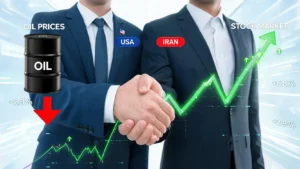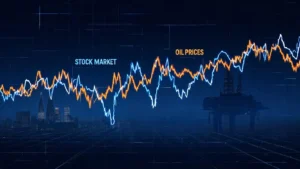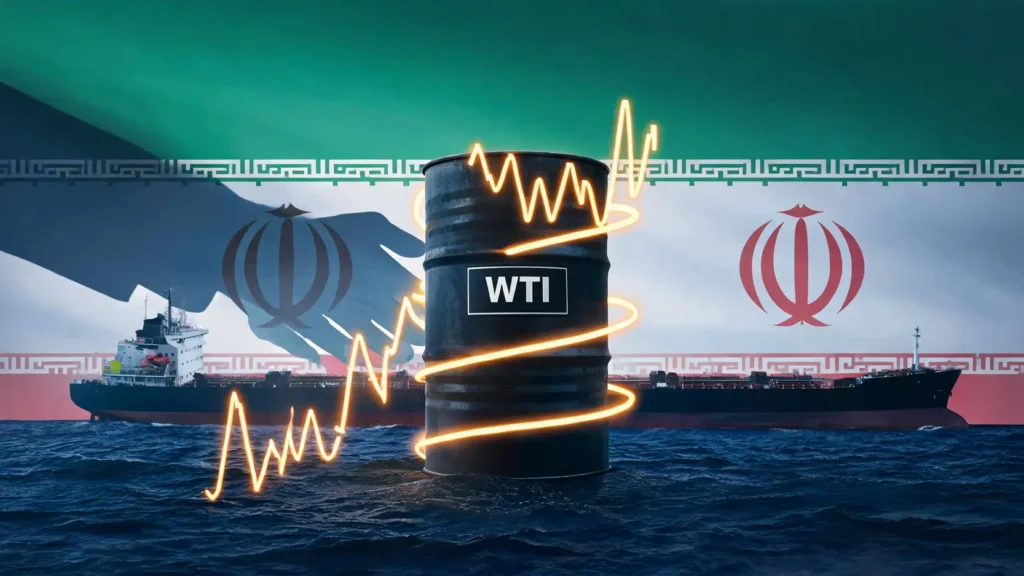
The global energy market in 2026 is balanced on a knife’s edge, where geopolitical tremors can trigger seismic shifts in asset prices. For investors and analysts, the most significant variable influencing the WTI crude oil forecast is the ongoing, high-stakes negotiation surrounding a potential new Iran deal. The outcome of these talks carries the power to either flood the market with new supply or intensify the current supply deficit, making a thorough analysis of the impact of sanctions on Iran essential for any credible price prediction. This guide provides a definitive breakdown of the scenarios, market reactions, and long-term implications tied to this critical geopolitical event.
Table of Contents
Decoding the U.S.-Iran Deal: Key Factors for the Oil Market
Understanding the nuances of the potential agreement is the first step in forecasting its impact on WTI prices. The negotiations are complex, with deep-rooted historical context and significant economic consequences for all parties involved. At its heart, the deal revolves around exchanging sanctions relief for verifiable constraints on Iran’s nuclear program.
What a Renewed Nuclear Deal Entails
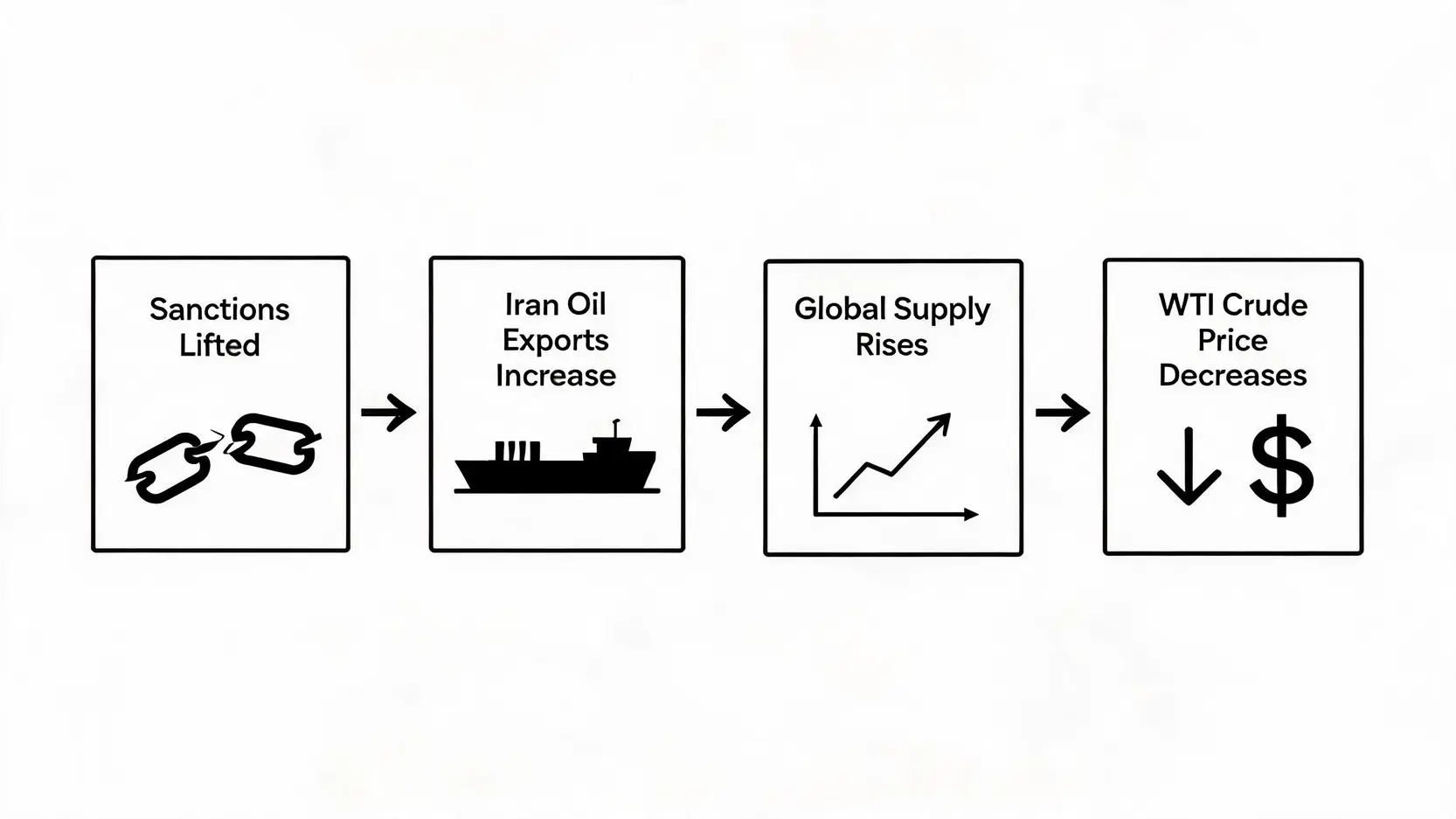
A renewed agreement, often referred to as a return to the Joint Comprehensive Plan of Action (JCPOA), would operate on a simple yet contentious premise: the United States and its allies would lift punitive economic sanctions, particularly those targeting Iran’s energy and financial sectors. In return, Iran would commit to scaling back its nuclear activities, accepting rigorous international inspections to ensure compliance. For the oil market, the most crucial component is the removal of secondary sanctions that have severely restricted Iran’s ability to export crude oil to the global market. The specifics of this framework are outlined by institutions like the Council on Foreign Relations, which provides detailed analysis of the original JCPOA’s terms.
Current Status and Potential Timelines
As of May 2026, negotiations remain fluid and subject to sudden breakthroughs or collapses. Intermittent reports from diplomatic channels suggest that while both sides are engaged, significant hurdles related to verification, sanctions sequencing, and regional security guarantees persist. Market participants are pricing in a high degree of uncertainty, with timelines for a potential agreement ranging from a few months to an indefinite stalemate. This ambiguity creates inherent volatility in the WTI crude oil forecast, as traders react to every rumor and official statement.
The Role of Sanctions on Iran’s Oil Exports
Current U.S. sanctions have effectively cut off a significant portion of Iranian crude from the legitimate international market. While Iran has managed to export some oil through clandestine channels, these volumes are a fraction of its potential. The sanctions regime forces buyers to choose between accessing the U.S. financial system and purchasing Iranian oil, a choice that most major economies and oil companies are unwilling to risk. Therefore, the lifting of these sanctions is the primary mechanism through which an Iran deal would directly impact global supply and, consequently, the price of WTI crude.
Immediate Market Reaction: How Iran News Moves WTI Prices
The oil market is notoriously sensitive to geopolitical news, and developments related to the Iran deal are a prime catalyst for price volatility. Traders and algorithms constantly scan headlines, causing sharp price movements based on perceived shifts in the probability of an agreement. Understanding these dynamics is key to navigating the market.
Historical Precedents: Price Swings During Past Negotiations
History provides a valuable lesson. During the lead-up to the original JCPOA in 2015, oil prices trended lower in anticipation of returning Iranian barrels. Conversely, the 2018 U.S. withdrawal from the deal and reimposition of sanctions provided a bullish tailwind for prices. Today, every headline suggesting progress in talks tends to exert downward pressure on WTI, while news of a deadlock or escalating tensions typically sends prices higher. This reactive pattern underscores the market’s focus on the supply-side implications of the negotiations.
WTI vs. Brent: Why the Price Spread Matters
While often moving in tandem, the two major crude benchmarks, WTI and Brent, can react differently to Middle Eastern news. Brent, being the international benchmark, is often more immediately sensitive to geopolitical risk in the region, including the Strait of Hormuz through which a significant portion of global oil transits. WTI, the U.S. benchmark, is more influenced by domestic factors like inventory levels at Cushing, Oklahoma. However, in the case of an Iran deal, both benchmarks would be significantly impacted due to the sheer volume of potential new supply. The WTI-Brent spread itself becomes a key indicator of market stress and logistical bottlenecks.
WTI Forecast Scenarios: Modeling the Iran Deal’s Outcome
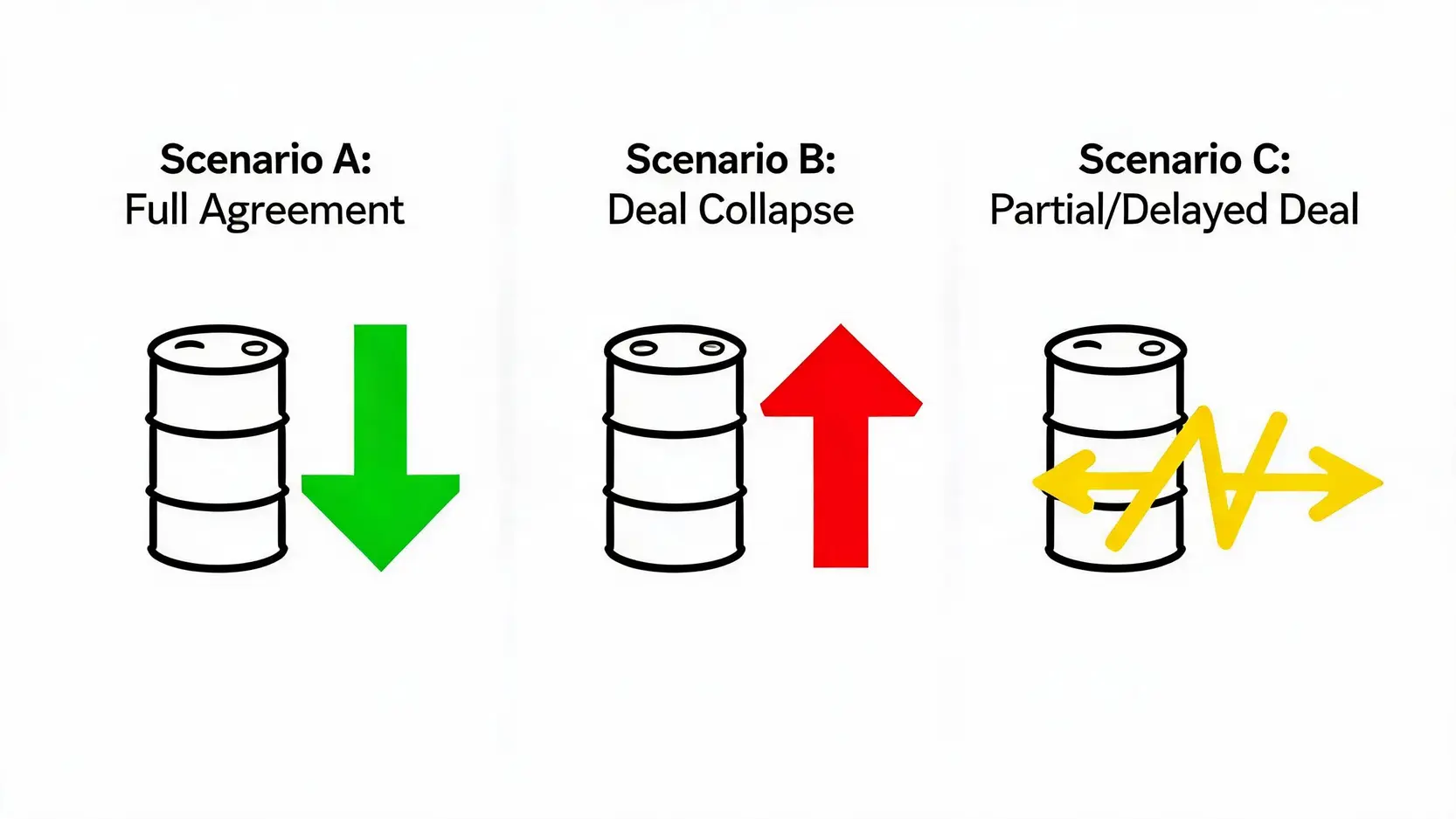
To construct a robust WTI crude oil forecast, analysts must move beyond simple reactions and model distinct scenarios based on the potential outcomes of the Iran deal. Each scenario presents a fundamentally different path for oil prices over the next 6 to 18 months.
Scenario A: Full Agreement – How Much Oil Returns and How Fast?
This is the most bearish scenario for oil prices. A comprehensive deal would see sanctions lifted, allowing Iran to officially re-enter the global market. According to estimates from agencies like the U.S. Energy Information Administration (EIA), Iran has the technical capacity to increase its production significantly within months. 📈
- Initial Surge: Release of oil from floating storage could add 500,000 to 1 million barrels per day (bpd) to the market relatively quickly.
- Production Ramp-Up: Over a six-to-twelve-month period, Iran could potentially increase its crude output by an additional 1 to 1.5 million bpd.
In this scenario, WTI prices could face substantial downward pressure, potentially breaking below key technical support levels as the market reprices to account for a significant increase in global supply.
Scenario B: Deal Collapse – The Bullish Case for WTI
If negotiations collapse entirely, the status quo of tight supply would be reinforced. This outcome represents the most bullish case for the WTI forecast. The market would be forced to accept that Iranian barrels are off the table for the foreseeable future. This could lead to a rally in prices as the geopolitical risk premium increases and the focus shifts back to demand strength and the limited spare capacity of other producers. In this environment, price targets would be revised upwards, with traders testing previous highs. 🔥
Scenario C: A Partial or Delayed Deal – Lingering Market Uncertainty
This is arguably the most complex scenario. A partial deal might involve limited sanctions relief for Iran in exchange for minor concessions, or an agreement could be reached but its implementation delayed by months of technical verification. This outcome would prolong market uncertainty. Prices would likely remain highly volatile and range-bound, whipsawing on conflicting news flow. This environment of “no deal, no collapse” would keep traders on edge, preventing any sustained trend from taking hold and making the WTI crude oil forecast exceptionally difficult.
Beyond the Deal: Long-Term Implications for Global Supply
The impact of the Iran deal extends beyond the immediate price shock. Its resolution will have lasting consequences for the structure of the global oil market and the strategic calculations of its key players.
Iran’s Production Capacity vs. Current Output
Years of underinvestment due to sanctions have taken a toll on Iran’s oil infrastructure. While the country has vast reserves, realizing its full production potential—potentially reaching 4 million bpd or more—would require significant foreign investment and technology. A deal would open the door for this, but the process would take years, not months. Therefore, while the initial surge is the market’s focus, the long-term supply impact is a more gradual story.
How Will OPEC+ Respond to Increased Iranian Supply?
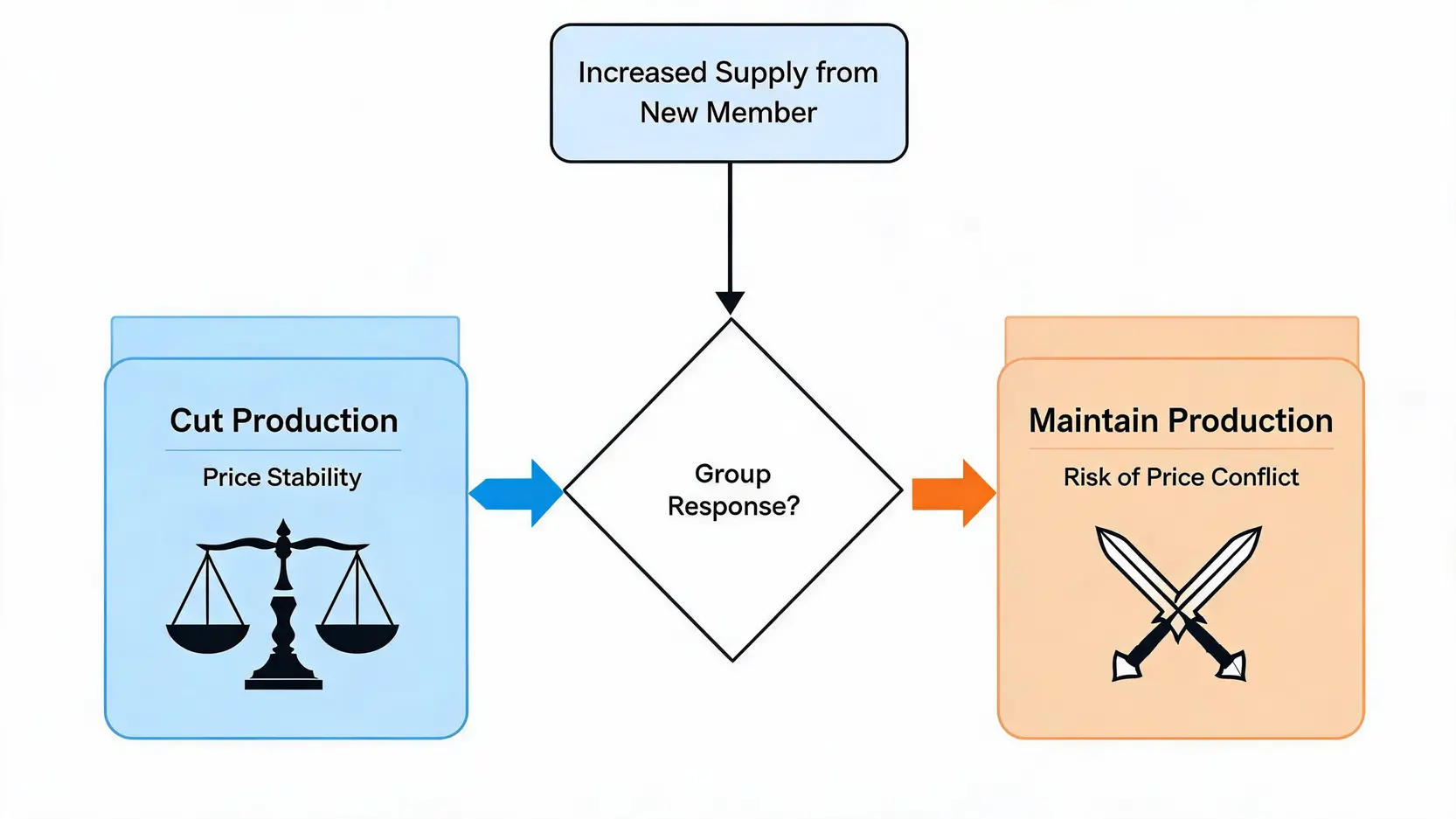
The Organization of the Petroleum Exporting Countries and its allies (OPEC+) have spent years managing supply to stabilize prices. The re-integration of a major producer like Iran, which is an OPEC member but has been exempt from quotas due to sanctions, would be a monumental challenge for the group’s cohesion. OPEC+ would likely need to adjust its own production targets downwards to accommodate Iranian barrels and prevent a price collapse. The willingness of members like Saudi Arabia and Russia to cede market share will be a critical determinant of long-term price stability. A failure to manage this transition could trigger a price war, reminiscent of past market downturns.
Conclusion
The WTI crude oil forecast for the remainder of 2026 and beyond is inextricably linked to the fate of the U.S.-Iran nuclear negotiations. A successful deal promises a significant increase in global supply, presenting a strong bearish headwind for prices. Conversely, a definitive collapse of the talks would confirm a tighter-for-longer supply environment, providing a bullish catalyst. For traders and investors, the key is not to bet on a single outcome but to understand the mechanics of all three primary scenarios—a full deal, a complete collapse, or a period of prolonged uncertainty—and to position themselves for the volatility that is almost certain to accompany the final resolution.
Frequently Asked Questions (FAQ)
Q: How quickly could Iranian oil re-enter the global market after a deal?
A: The re-entry would likely occur in two phases. First, Iran could sell crude from its significant floating storage within weeks, potentially adding 500,000 to 1 million bpd. Second, ramping up production from its oilfields would take longer, likely 6-12 months, to add another substantial tranche of supply to the market.
Q: Is the Iran deal the most significant factor for the WTI forecast today?
A: It is arguably the most significant *geopolitical* factor and the largest potential swing factor on the supply side. However, other crucial variables for the WTI forecast include global economic growth (demand), OPEC+ production policy, U.S. shale output, and the value of the U.S. dollar.
Q: What other geopolitical factors are currently influencing oil prices?
A: Beyond the Iran deal, traders are closely monitoring several other hotspots. These include the ongoing conflict in Eastern Europe and its impact on Russian energy flows, tensions in the South China Sea that could affect shipping lanes, and political stability within other major oil-producing nations in Africa and South America. Understanding these broader geopolitical risks is vital for a complete market view.
Q: How would a deal impact the strategic importance of the Strait of Hormuz?
A: An agreement could paradoxically both decrease and increase tensions around this critical chokepoint. De-escalation with the West might reduce the immediate risk of conflict. However, with Iran exporting significantly more oil through the Strait, its strategic importance would grow, and any future regional flare-up could have an even larger impact on global energy security.