Watching your portfolio shrink in a single trading session can be incredibly stressful. If you are wondering, ‘Why is ASX 200 down today?’, you are not alone. Today’s significant market pullback is the result of a complex mix of global geopolitical tensions, shifting macroeconomic policies from the US Federal Reserve, and localized profit-taking. This downturn reflects a growing unease among investors regarding the future of economic growth and corporate earnings. In this comprehensive analysis, we will break down the exact reasons behind today’s sell-off, highlight the sectors hit the hardest, and provide actionable strategies to help you navigate the current market volatility.
Table of Contents
What Triggered the ASX 200 Drop Today?
The decline in the Australian stock market isn’t due to a single event but rather a confluence of several powerful factors. A perfect storm of international headwinds and domestic pressures has created a risk-off sentiment, prompting a broad-based sell-off across the index. Let’s dissect the primary catalysts.
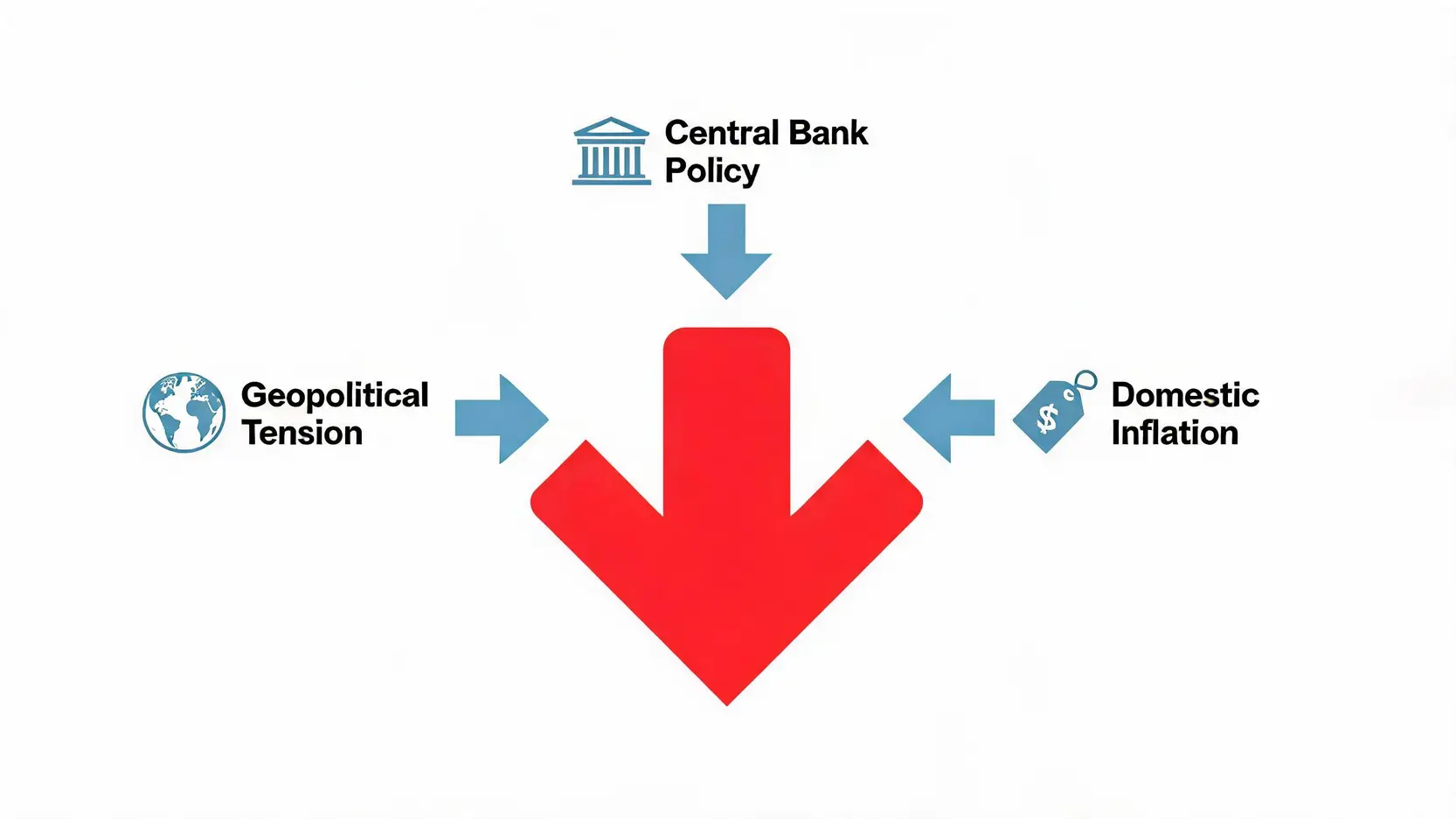
Geopolitical Tensions and the Middle East Conflict
Global markets are holding their breath as tensions in the Middle East escalate. Recent military strikes have pushed oil prices higher, fueling concerns about a new wave of global inflation and potential supply chain disruptions. For a market like Australia’s, which is sensitive to global energy prices, this creates significant uncertainty. The rising geopolitical risk premium impacts investor confidence, leading many to move away from equities and into safer assets like gold or government bonds. The fear is that a prolonged conflict could derail the fragile global economic recovery, directly impacting Australia’s major trading partners and, by extension, the earnings of its largest corporations.
US Federal Reserve Stance and Interest Rate Fears
Wall Street’s sentiment often dictates the direction of the ASX, and recent commentary from the US Federal Reserve has been decidedly hawkish. With US inflation proving stickier than anticipated, Fed officials have signaled that interest rates may need to stay higher for longer. This rhetoric has sent shockwaves through global equity markets. Higher interest rates in the US make the US dollar more attractive, putting pressure on currencies like the Australian dollar.
Furthermore, it increases the discount rate used to value future company earnings, which disproportionately affects growth-oriented sectors like technology. The fear of a US economic slowdown, or even a recession induced by aggressive monetary policy, is a primary driver of today’s negative performance on the ASX 200.
Persistent Domestic Inflation and Profit-Taking
On the home front, Australia is grappling with its own inflationary pressures. The latest CPI figures have renewed concerns that the Reserve Bank of Australia (RBA) may be forced to consider further rate hikes, a scenario most investors believed was off the table. This has led to a re-evaluation of earnings forecasts, particularly for consumer-facing companies. After a period of strong market performance, many investors are also choosing to lock in profits. This profit-taking is a natural market cycle but can exacerbate a downturn when combined with negative macroeconomic news, turning a minor dip into a significant sell-off.
Worst Performing Sectors Dragging the Market Down
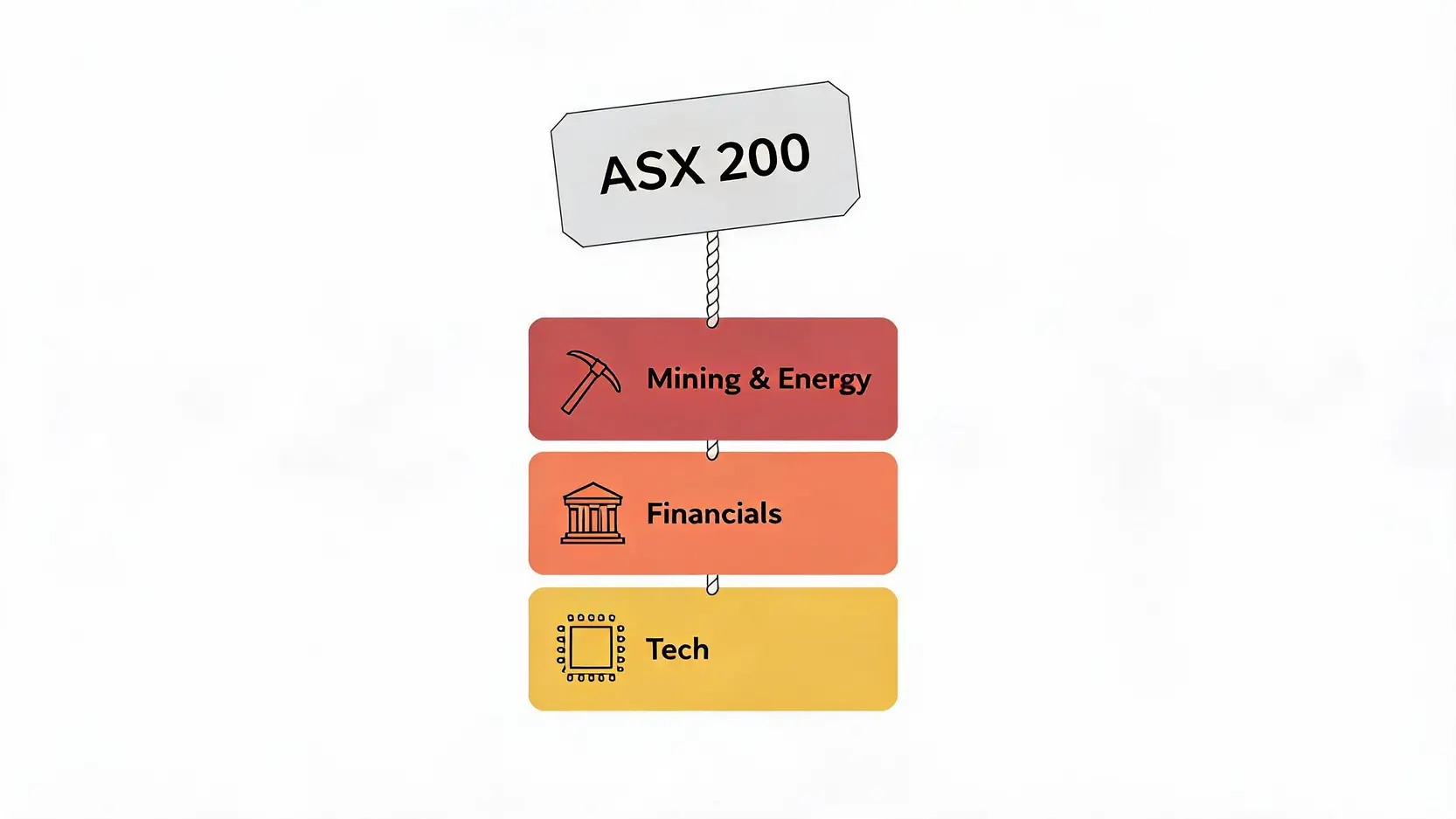
Today’s decline was not uniform; several heavyweight sectors bore the brunt of the sell-off, contributing significantly to the ASX 200’s fall. Understanding which sectors are underperforming provides insight into the market’s core anxieties.
Mining and Energy Stocks: Unraveling the Rally
The materials and energy sectors, typically the bedrock of the ASX 200, were among the hardest hit. While oil prices rose on geopolitical news, mining giants like BHP and Rio Tinto fell on concerns of a global economic slowdown, which would sap demand for key commodities like iron ore and copper. Fears of reduced industrial activity in China, Australia’s largest trading partner, are particularly potent. After a strong rally, these sectors are now facing headwinds from both reduced demand forecasts and rising operational costs due to inflation.
Financials and Big Banks: The Weight of Heavy Losses
The ‘Big Four’ banks—Commonwealth Bank, Westpac, NAB, and ANZ—are significant components of the index, and their poor performance today weighed heavily on the market. The sector is caught in a difficult position. While higher interest rates can improve net interest margins, the fear of an economic slowdown raises concerns about slowing credit growth and a potential increase in bad debts. The prospect of the RBA tightening monetary policy further has investors worried about the impact on the housing market and overall consumer financial health, leading to a sell-off in banking stocks.
Tech Sector Pullback Following Global Trends
Mirroring the performance of the Nasdaq in the US, Australia’s tech sector experienced a significant pullback. These stocks, often valued on the promise of future growth, are highly sensitive to changes in interest rate expectations. As bond yields rise in response to inflation and central bank hawkishness, the future earnings of tech companies become less valuable in today’s dollars. This valuation pressure, combined with a general move away from riskier assets, has led to sharp declines in many of Australia’s prominent technology names.
How Retail Investors Should React to Today’s Market Sell-off (Strategic Insights)
Days like today can test the resolve of any investor. The key is to respond rationally rather than react emotionally. A strategic approach is crucial to protecting and potentially enhancing your portfolio during periods of volatility.
Avoiding Panic Selling vs Portfolio Rebalancing
The cardinal rule during a market downturn is to avoid panic selling. Selling into a falling market locks in losses and robs your portfolio of the chance to recover. Instead, this is an opportune time to review your asset allocation. Has the downturn caused your portfolio to deviate significantly from your target mix? If so, rebalancing—by selling some assets that have performed relatively well and buying more of those that have fallen—can be a disciplined way to manage risk and position for a rebound. It is a moment to lean on your long-term investment strategy rather than abandoning it.
Defensive Stocks: Which Sectors Are Defying the Bearish Trend?
While most of the market is in the red, defensive sectors tend to outperform during downturns. These include industries that provide non-discretionary goods and services, such as:
- Consumer Staples: Companies like Woolworths and Coles, as people need groceries regardless of the economic climate.
- Healthcare: Companies such as CSL and Ramsay Health Care, as healthcare needs are constant.
- Utilities: Essential service providers in energy and water, which have stable revenue streams.
Shifting a portion of your portfolio towards these defensive names can provide stability and reduce overall volatility during uncertain times.
Historical Context: Is This Market Dip a Buying Opportunity?
History shows that market corrections and even bear markets are a normal part of the investment cycle. For investors with a long-term horizon, significant dips can present attractive buying opportunities. Quality companies with strong balance sheets and durable competitive advantages can be purchased at a discount. Instead of asking ‘Why is the ASX 200 down today?’, the more productive question might be, ‘Which high-quality companies are now on sale?’. Evaluating companies based on fundamental value rather than market sentiment is a hallmark of successful long-term investing.
Conclusion
In summary, the question of ‘why is the ASX 200 down today’ can be answered by looking at the perfect storm of geopolitical uncertainties, central bank rate cautions, and broad-based sectoral sell-offs. While red days on the market can induce panic, it is crucial to focus on long-term investment fundamentals rather than short-term noise. Review your portfolio, consider defensive positions if necessary, and stay informed on global economic indicators. Volatility creates both risk and opportunity; a disciplined, strategic approach will be the key to navigating what lies ahead.
Frequently Asked Questions (FAQ)
Q: Is the ASX 200 officially entering a bear market?
A: A bear market is technically defined as a 20% or greater decline from a recent peak. While today’s drop is significant, the ASX 200 is not yet in a technical bear market. It is currently in a correction phase, which is a decline of 10-20%. However, investor sentiment is decidedly bearish, and a further slide into a bear market is possible if the negative macroeconomic and geopolitical factors persist.
Q: How does oil price fluctuation affect the ASX 200?
A: Oil price changes have a dual effect on the ASX 200. On one hand, rising oil prices benefit Australia’s large energy sector, boosting the profits of companies like Woodside and Santos. On the other hand, higher energy prices act as a tax on the rest of the economy, increasing input costs for businesses (like airlines and manufacturing) and squeezing household budgets, which can lead to higher inflation and reduced consumer spending.
Q: Which specific companies dropped the most on the ASX today?
A: Based on today’s trading, the heaviest losses were seen in the major mining and banking stocks. Companies like BHP Group, Rio Tinto, and the four major banks were significant drags on the index due to their large weighting. Additionally, high-growth technology stocks and consumer discretionary companies, which are more sensitive to economic outlook, also experienced substantial declines.
Q: What is the role of the RBA in today’s market movement?
A: The Reserve Bank of Australia (RBA) plays a critical role. While it did not take any action today, the market’s movement is heavily influenced by expectations of the RBA’s future decisions. Persistent domestic inflation has increased the probability that the RBA might have to raise interest rates again. This fear of tighter monetary policy—which aims to slow the economy to control inflation—is a major factor causing investors to sell stocks.