Navigating the high-risk, high-reward landscape of Contracts for Difference (CFD) requires more than just capital; it demands a meticulously crafted plan. As we venture further into 2026, the volatility and opportunity within the financial markets have never been greater. Success hinges not on chance, but on employing the right CFD trading strategies 2026. This guide is engineered to dissect the most effective approaches, from the best CFD trading strategies for nimble day traders to robust long-term plans, all while embedding critical CFD risk management principles. Without a solid strategy, a trader is merely gambling; with one, they are operating a business.
Table of Contents
What is CFD Trading and Why a Strategy is Non-Negotiable
CFD trading represents an agreement between a trader and a broker to exchange the difference in the value of a financial product between the time the contract opens and when it closes. It allows traders to speculate on the future price direction of assets without owning them. However, this accessibility, combined with leverage, creates a perilous environment for the unprepared.
Understanding the Basics of Contracts for Difference (CFDs)
A Contract for Difference (CFD) is a leveraged financial derivative. When you trade a CFD, you are speculating on the price movement of an underlying asset, such as a stock, commodity, or currency pair.
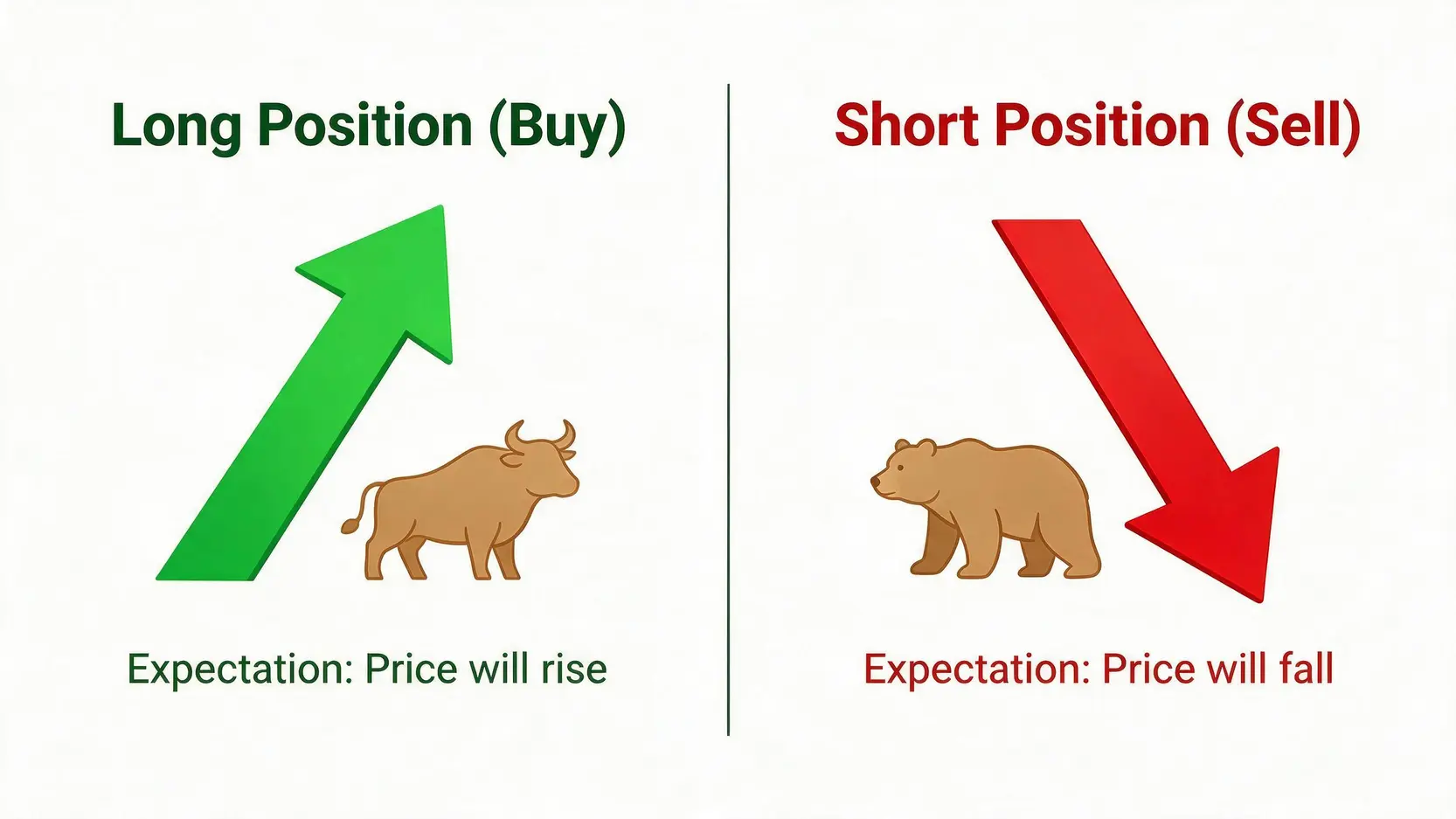
- Long Position (Buying): If you believe the asset’s price will rise, you would buy a CFD. Your profit or loss is determined by the increase in price.
- Short Position (Selling): If you believe the asset’s price will fall, you would sell a CFD. Your profit or loss is determined by the decrease in price.
The key feature is leverage, which allows you to control a large position with a relatively small amount of capital (margin). While this can amplify profits, it equally magnifies losses, making a strategy indispensable.
The Statistics: Why Most Traders Fail Without a Strategy
The allure of quick profits leads many beginners into the market without adequate preparation. The data, however, paints a sobering picture. A significant majority of retail traders lose money. According to various industry reports and broker disclosures, the failure rate is consistently high. For instance, data often shows that between 70% and 95% of retail forex and CFD traders lose money. This isn’t due to faulty markets but a lack of three critical components: a tested trading edge, disciplined execution, and stringent risk management. A trading strategy is the framework that encompasses all three.
Top 5 Core CFD Trading Strategies for 2026
Selecting the right trading strategy depends on your personality, time commitment, and risk appetite. The following are five core methodologies that have proven effective and will continue to dominate the 2026 markets.
Day Trading: For Active, In-and-Out Market Movers
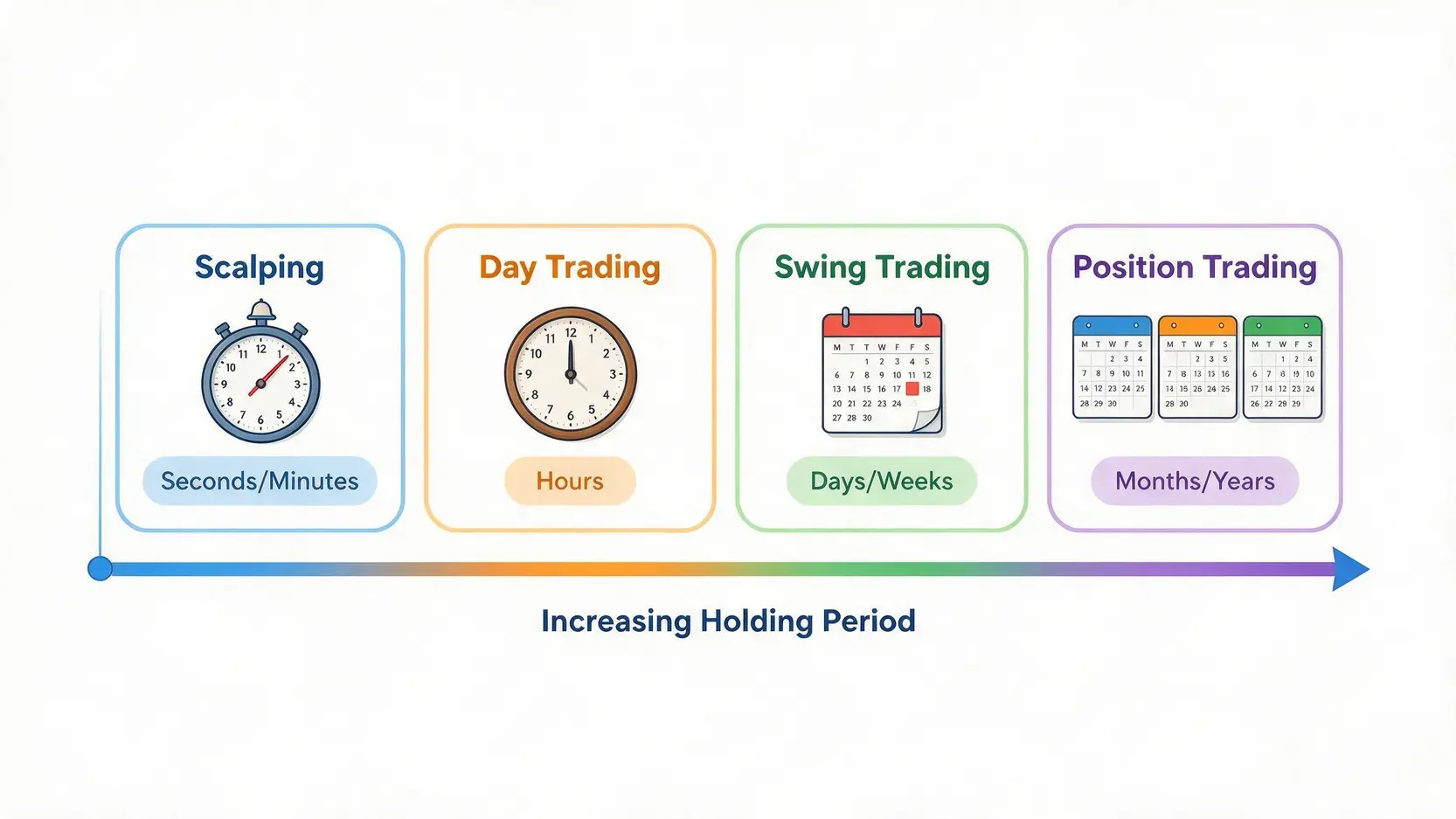
Day trading involves opening and closing positions within the same trading day, ensuring no positions are held overnight. The goal is to profit from small price fluctuations. Day traders often rely heavily on technical analysis, using indicators like Moving Averages, RSI, and Bollinger Bands to identify short-term opportunities. 📈
Pros: No overnight risk, potential for multiple profits in a single day.
Cons: Requires significant time commitment, high stress, and transaction costs can accumulate.
Swing Trading: Capturing Market Swings Over Days or Weeks
Swing traders aim to capture larger market moves or ‘swings’ than day traders. Positions are typically held for several days to a few weeks. This approach blends technical and fundamental analysis to identify assets with predictable medium-term momentum. It’s a popular choice for those who cannot monitor charts all day but still want to be active. For those new to this concept, exploring swing trading strategies for beginners can provide a solid foundation.
Pros: Less time-intensive than day trading, captures larger trends.
Cons: Exposure to overnight and weekend market risk (gaps).
Scalping: Profiting from Tiny Price Changes
Scalping is the most rapid trading style, with positions held for just a few seconds to minutes. Scalpers execute a large number of trades to accumulate small profits. This high-frequency strategy demands intense focus, a deep understanding of market liquidity, and direct market access for fast execution. ⚡
Pros: Limited exposure to market risk, potential for high win rates.
Cons: Extremely high stress, requires advanced technology, and is sensitive to slippage and spreads.
News Trading: Capitalizing on Market-Moving Events
News traders base their decisions on market reactions to economic data releases, central bank announcements, and other significant geopolitical events. The strategy involves predicting the market’s response to a news item and taking a position just before or immediately after the release. Volatility is both the opportunity and the risk here.
Pros: Can lead to substantial, rapid profits.
Cons: High volatility can cause slippage, and market reactions can be unpredictable.
Position Trading: The Long-Term Strategic Approach
Position trading is a long-term strategy where trades are held for weeks, months, or even years. This approach is less concerned with short-term noise and focuses on major secular trends. Position traders rely heavily on fundamental analysis, though technical analysis is used to determine optimal entry and exit points.
Pros: Less stressful, requires less time monitoring markets, potential for very large profits.
Cons: Requires significant capital to be tied up, and discipline to hold through minor pullbacks.
How to Apply CFD Strategies to Popular Markets
A strategy is only as good as its application. Here’s how these concepts translate to real-world CFD markets in 2026.
Example Strategy: Gold CFD Trading (XAU/USD)
Gold is often seen as a safe-haven asset, reacting strongly to geopolitical uncertainty and inflation data. A news trading strategy can be highly effective. For example, a trader might monitor the US Consumer Price Index (CPI) release. If CPI comes in higher than expected, suggesting rising inflation, the trader could open a long (buy) CFD position on XAU/USD, anticipating that investors will flock to gold as an inflation hedge.
Example Strategy: Crude Oil CFD Trading (WTI)
Crude Oil prices are driven by a complex mix of supply, demand, and geopolitical tensions. A swing trader might use a combination of fundamental and technical analysis. They would monitor OPEC+ production decisions, inventory reports from the U.S. Energy Information Administration (EIA), and global economic growth forecasts. If fundamentals point to tightening supply and technicals show a breakout above a key resistance level, a swing trader would enter a long position, holding it for several weeks to capture the expected uptrend.
Example Strategy: Forex CFD Trading (EUR/USD)
The EUR/USD is the most traded currency pair, known for its liquidity. A day trader could apply a technical strategy using the 15-minute chart. They might use a crossover of the 9-period and 21-period Exponential Moving Averages (EMAs) as an entry signal. When the 9 EMA crosses above the 21 EMA, it signals bullish momentum, prompting a buy order. An RSI reading above 70 would be a signal to take profit.
How to Choose the Right CFD Strategy For You (A Step-by-Step Framework)
Selecting a trading strategy is a personal journey. This framework will help you find the best fit.
Step 1: Assess Your Risk Tolerance and Available Capital
Be honest about how much you are willing to lose. High-frequency strategies like scalping might seem profitable but can lead to rapid losses if not managed correctly. Position trading requires more capital to withstand market fluctuations. Your risk tolerance will dictate your position size and the types of strategies you can safely employ.
Step 2: Match Your Personality and Time Commitment to a Strategy
- High-Patience, Analytical: Position or Swing Trading.
- Action-Oriented, Decisive: Day Trading or Scalping.
- Time-Poor but Engaged: Swing Trading.
- Full-Time Focus: Day Trading or Scalping.
Step 3: Backtest Your Chosen Strategy with a Demo Account
Before risking real money, rigorously test your chosen strategy on historical data (backtesting) and then in a live market environment with a demo account (paper trading). This process validates your strategy’s effectiveness and helps you build the confidence and discipline needed for real-world execution.
Advanced Risk Management: The Key to Survival in 2026
Profitability in CFD trading is not just about winning trades; it’s about managing losing ones. Excellent risk management is what separates professional traders from amateurs. Mastering concepts like leverage and risk management is not optional.
Implementing Smart Stop-Loss and Take-Profit Orders
A stop-loss order is a pre-set level at which your position is automatically closed to limit your loss. A take-profit order does the same to lock in profits. These tools are essential for disciplined trading, removing emotion from the decision-making process. Never enter a trade without a defined exit plan for both a winning and losing scenario.
Managing Leverage: Your Double-Edged Sword
Leverage magnifies both gains and losses. While it is tempting to use the maximum leverage available, it is a common cause of account blow-ups. Professional traders use leverage judiciously, understanding that higher leverage increases risk. A lower leverage ratio provides a larger buffer against adverse market movements and reduces the chance of a margin call.
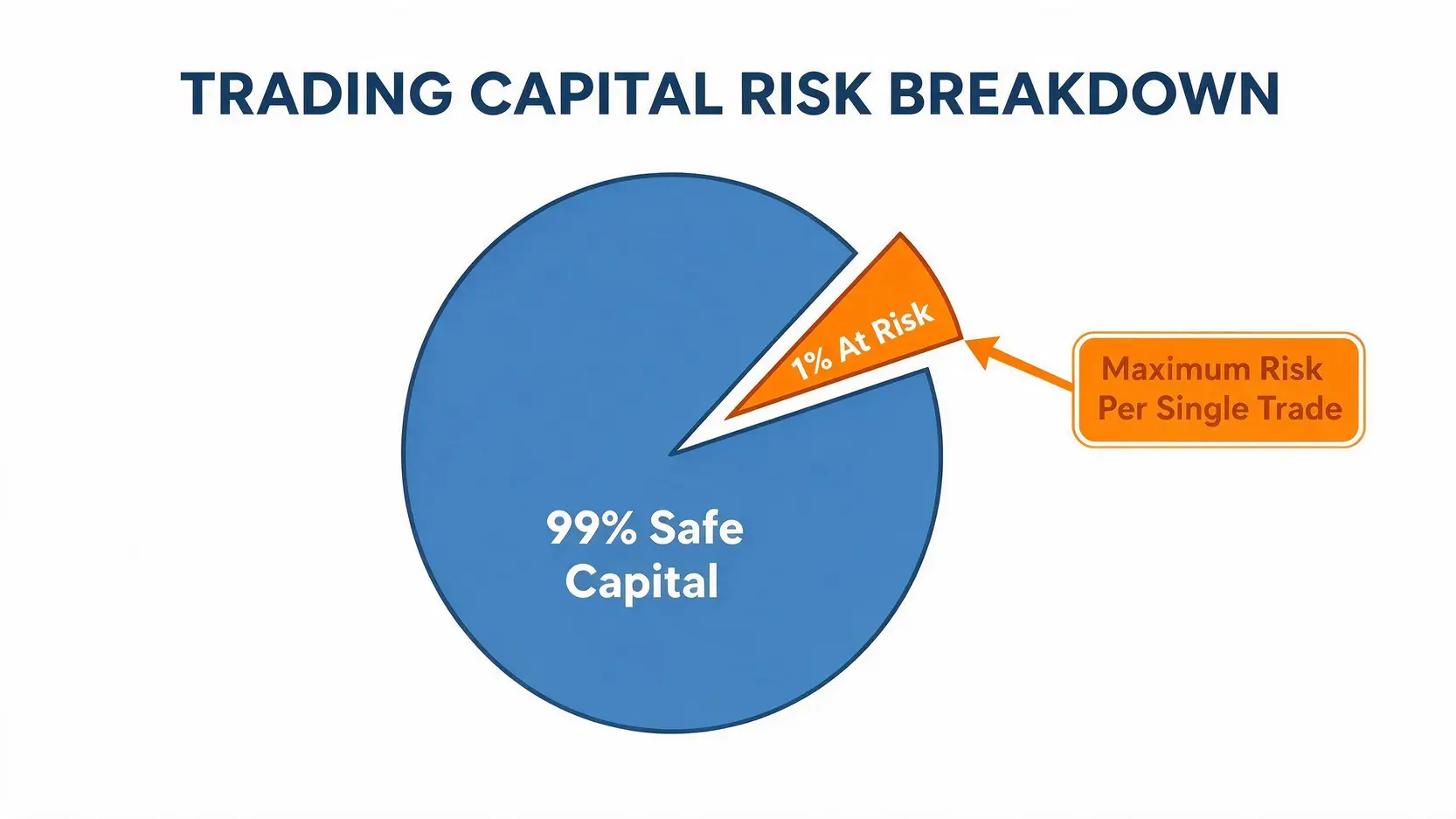
The 1% Rule: Protecting Your Capital on Every Trade
A cornerstone of risk management is the 1% rule, which states that you should never risk more than 1% of your total trading capital on a single trade. If your account has $10,000, your maximum risk per trade should be $100. This principle ensures that you can withstand a string of losses without significantly depleting your capital, allowing you to stay in the game long enough for your strategy to play out.
Conclusion
Success with CFD trading strategies in 2026 is not a matter of discovering a secret formula but of building a robust, personalized trading plan. It is a synthesis of the right methodology—be it day trading, swing trading, or another core approach—and an unwavering commitment to discipline. The path to profitability is paved with continuous learning, rigorous backtesting, and, most importantly, a deeply ingrained respect for risk management. The markets will always present opportunities; a well-defined strategy is the tool that allows you to seize them methodically and sustainably. Begin by practicing on a demo account, refine your approach, and trade with the mindset of a professional.
Frequently Asked Questions (FAQ)
Q: What is the most successful CFD trading strategy?
A: There is no single “most successful” strategy. The best strategy is one that aligns with your individual risk tolerance, trading psychology, time availability, and capital. A long-term position trading strategy might be highly successful for one person, while a high-frequency scalping strategy is best for another. Success comes from mastering a strategy that fits you personally.
Q: Can beginners really make money with CFDs?
A: Yes, but it requires a serious commitment to education and discipline. Beginners are highly encouraged to start with a demo account to practice their chosen strategy and risk management rules without risking real capital. Profitability is possible once a trader develops a consistent edge and manages risk effectively.
Q: How much capital is needed to start CFD trading?
A: While many brokers allow you to open an account with as little as $100, this is often insufficient to manage risk properly. A more realistic starting capital would be in the range of $1,000 to $5,000. This amount allows a trader to apply the 1% rule effectively and withstand the natural drawdowns of any trading strategy.
Q: Is CFD trading legal for retail traders in the USA?
A: No, CFD trading is generally prohibited for retail traders in the United States. The U.S. Securities and Exchange Commission (SEC) and the Commodity Futures Trading Commission (CFTC) have strict regulations on over-the-counter (OTC) derivative products for retail clients. Therefore, U.S. residents cannot open CFD accounts with regulated brokers.