Are you planning to trade E-mini Nasdaq-100 (NQ) futures in 2026 but confused about the exact capital needed? Navigating the NQ futures margin requirement 2026 is crucial to avoid unexpected liquidations and optimize your trading strategy. This comprehensive guide breaks down initial, maintenance, and intraday margins across top brokers to help you understand NQ margin limits and manage your E-mini Nasdaq-100 day trading capital safely and efficiently.
Table of Contents
Understanding NQ Futures Margin Requirements
To consistently profit in the futures market, a deep comprehension of the NQ futures margin requirement 2026 is non-negotiable. Margin in futures is not a down payment; rather, it acts as a performance bond. It ensures that you have sufficient capital in your account to cover potential daily losses. Given the inherent volatility of the E-mini Nasdaq-100, these capital rules are strictly enforced by clearinghouses.
Initial Margin vs. Maintenance Margin Explained
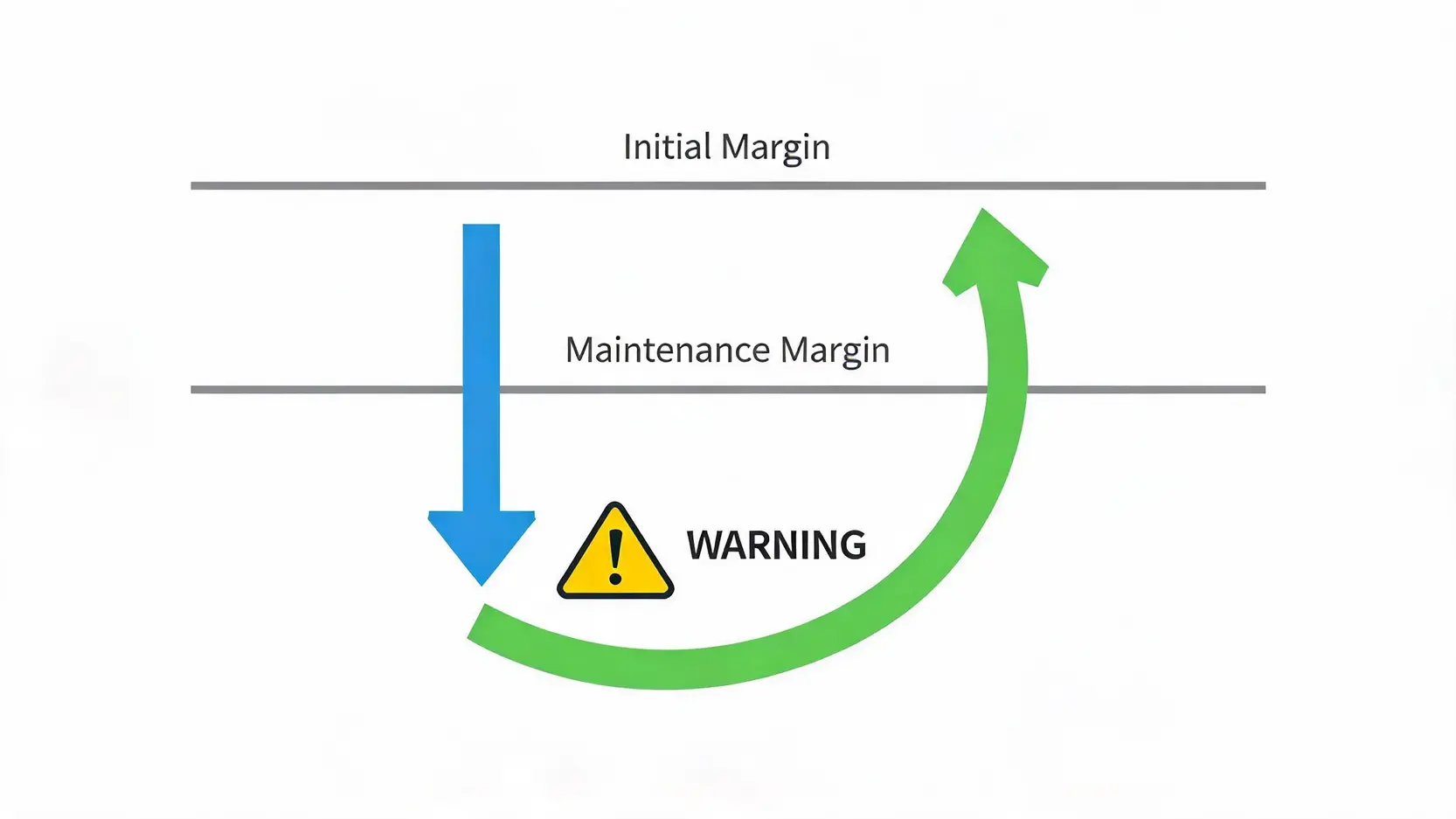
The distinction between initial and maintenance margins forms the foundation of futures capital management. The initial margin is the absolute minimum capital required in your account to open a new position. For instance, if you are looking to initiate a single contract of NQ, your account balance must exceed this threshold before the trade can be executed. Once the position is live, the rules shift to the maintenance margin.
The maintenance margin is the baseline capital level that must be maintained to keep the position open. If market fluctuations cause your account equity to drop below this maintenance level, you will receive a margin call. At this point, you are required to deposit additional funds immediately to bring the account back up to the initial margin level, not just the maintenance level. Failing to do so usually results in the broker liquidating your position at the current market price.
Intraday (Day Trading) Margins vs. Overnight Margins
For active participants, the difference between an intraday margin and an overnight margin is stark. Intraday margins, often set by the brokers themselves, apply only during regular trading hours. These are typically significantly lower than overnight requirements, designed to facilitate liquidity and allow day traders to leverage smaller accounts. It is imperative to close these positions before the daily session ends.
Conversely, overnight margins are dictated by the exchange (such as the CME Group) and apply to positions held past the daily close. Because holding positions overnight exposes traders to gap risks and after-hours volatility, these requirements are much higher. Misunderstanding when the intraday session transitions to the overnight session is a common pitfall that triggers unnecessary margin calls.
Top Broker Margin Comparison for NQ Futures (2026)
In 2026, the brokerage landscape offers varying tiers of NQ margin structures, catering to different trading styles. Selecting the right broker depends heavily on whether you prioritize low intraday margins for aggressive scalping or require robust platforms for long-term swing trading.
Discount Brokers for Day Traders (NinjaTrader, Tradovate, AMP)
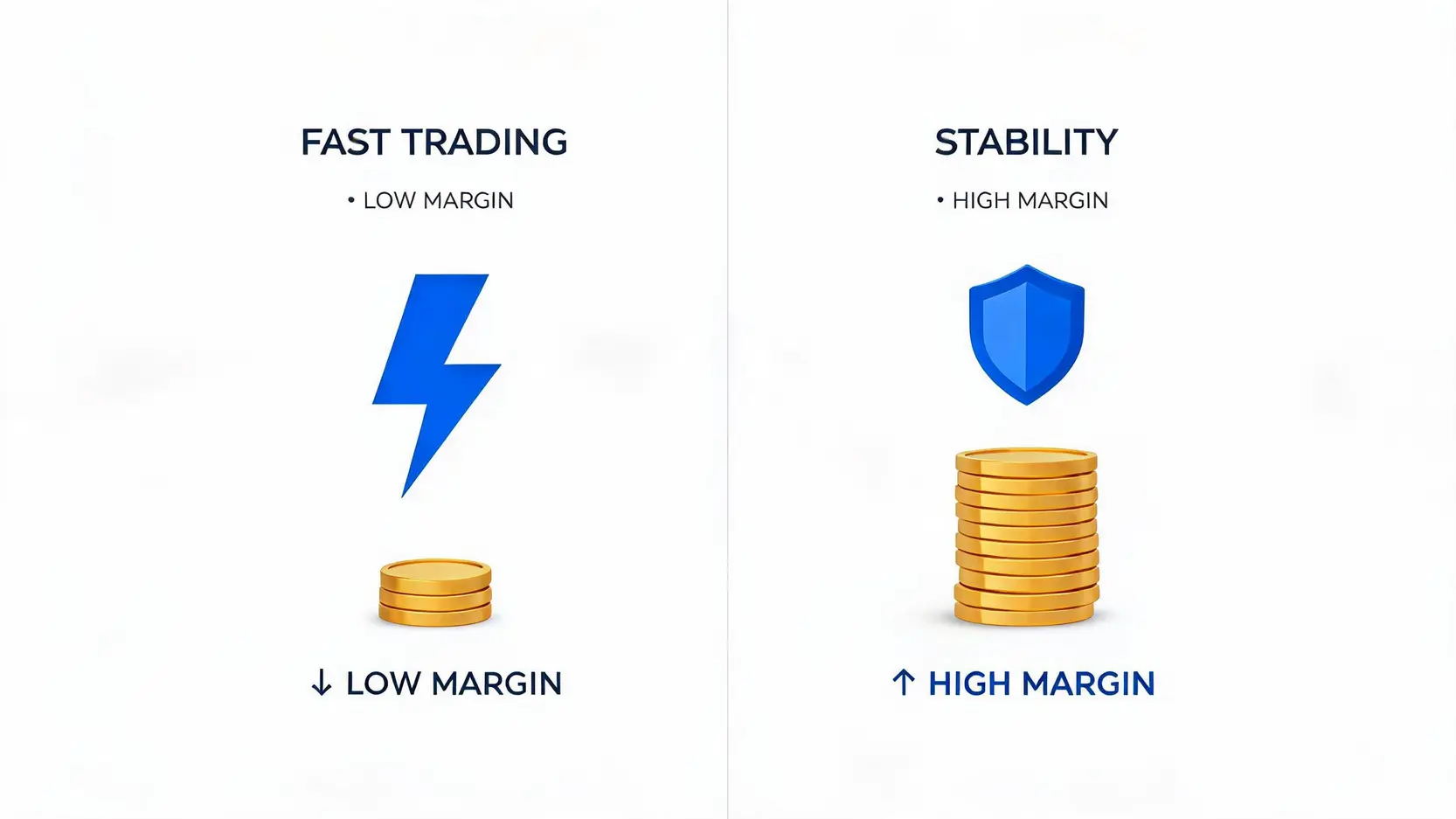
Discount brokers like NinjaTrader, Tradovate, and AMP are specifically tailored for active day traders. They offer extremely competitive intraday margin rates for the E-mini Nasdaq-100, sometimes requiring as little as $500 to $1,000 per contract during regular market hours. This high leverage allows traders with smaller capital bases to participate in the lucrative tech sector.
However, this reduced NQ margin comes with strict conditions. Traders must rigidly adhere to time cutoffs, ensuring positions are flattened before the closing bell, or face auto-liquidation penalties. Additionally, while margins are low, traders must maintain impeccable risk discipline to survive the rapid price swings characteristic of the NQ.
Traditional Brokers (Interactive Brokers, TradeStation, Charles Schwab)
Traditional brokers such as Interactive Brokers, TradeStation, and Charles Schwab tend to enforce higher margin requirements, often aligning their intraday margins closer to the exchange’s overnight mandates. This structure is designed to attract well-capitalized traders and institutions who prioritize stability and comprehensive analytical tools over extreme leverage.
While the capital barrier to entry is higher, these platforms provide superior execution, extensive market data, and a broader array of investment instruments. For traders who hold positions for multiple days or weeks, the overnight margin requirements here are standard, but the overall trading environment is arguably more secure.
2026 Market Outlook: Volatility and Capital Management
The financial landscape in 2026 presents unique challenges. With shifting monetary policies and geopolitical realignments, volatility in the tech-heavy Nasdaq-100 is expected to remain elevated. Adapting your capital management strategy to these conditions is paramount.
How CME Group Adjusts Margins Based on Market Volatility
The CME Group continuously monitors market conditions and will proactively adjust the NQ futures margin requirement 2026 to reflect prevailing risk levels. During periods of heightened volatility, such as earnings seasons or major economic data releases, the exchange increases margin rates to ensure market integrity. Traders must stay informed about these adjustments, as an unexpected increase can instantly turn a well-capitalized account into one facing a margin call.
NQ vs. MNQ (Micro E-mini): Which Fits Your Capital Size?
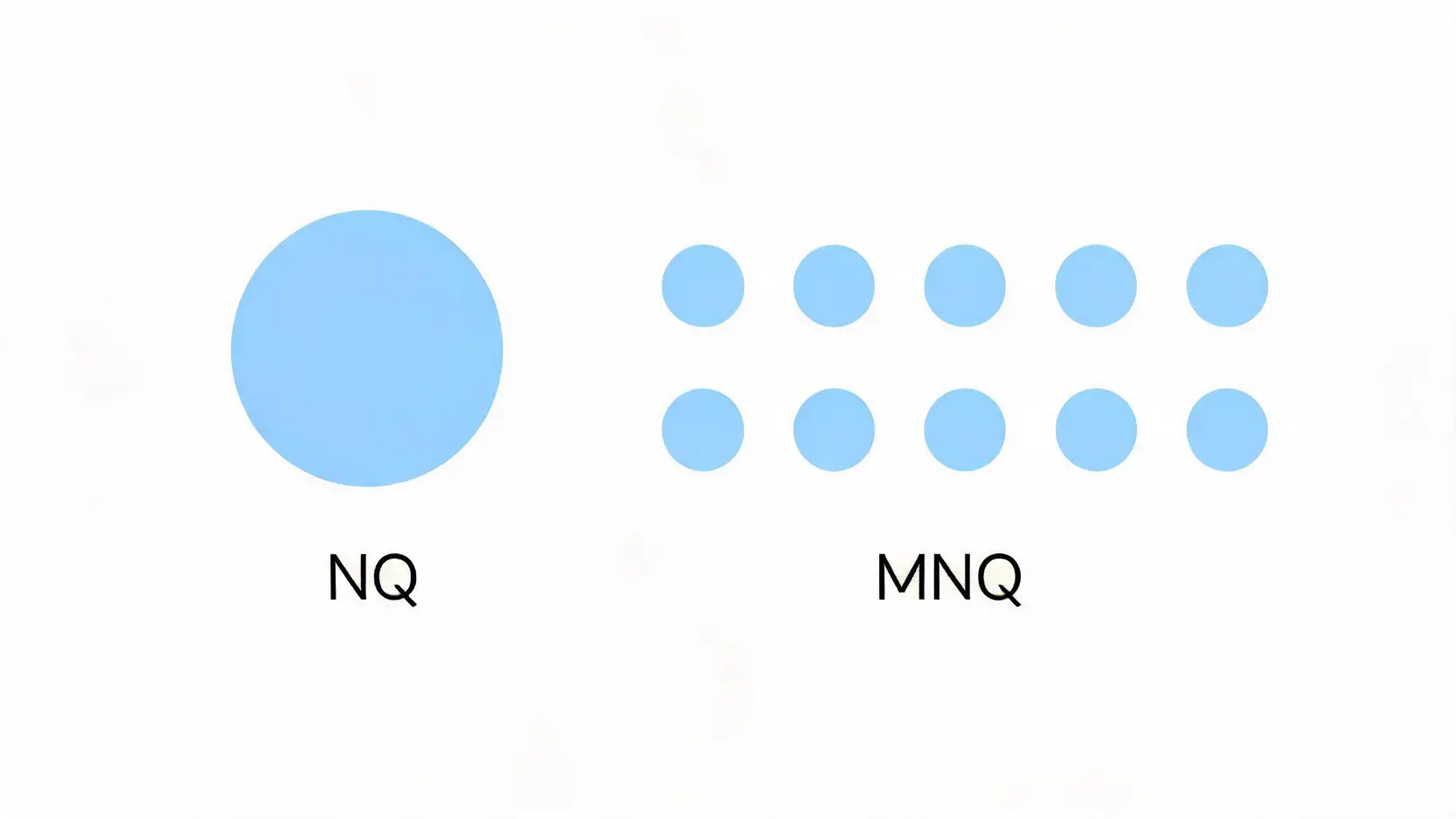
Given the high notional value of the standard NQ contract, many retail traders find it increasingly difficult to meet the NQ margin requirements without overleveraging. The Micro E-mini Nasdaq-100 (MNQ), which is one-tenth the size of the NQ, provides a vital alternative. Trading the MNQ allows for precise position sizing and scaling, making it the superior choice for accounts under $25,000.
Pro Strategies to Avoid Margin Calls in Fast-Moving Markets
Avoiding margin calls requires a proactive approach to risk. Implementing strict stop-loss orders is the first line of defense. Furthermore, traders should never utilize 100% of their available margin; maintaining a cash buffer of at least 30-40% protects against sudden adverse spikes. Regularly reviewing your account equity relative to the maintenance margin, especially before major news events, is a critical habit for long-term survival.
Conclusion: Mastering NQ Capital Allocation
To trade the E-mini Nasdaq-100 successfully, mastering the NQ futures margin requirement 2026 is absolutely essential. By selecting the right broker for your capital size and applying strict risk management to avoid margin calls, you can navigate tech-heavy market volatility with confidence. Ready to optimize your trading capital? Review your broker’s latest margin policies and consider paper trading to test your strategies risk-free.
FAQ: NQ Futures Margin Rules
What is the minimum margin requirement to day trade NQ futures?
The minimum intraday margin varies significantly by broker. Discount brokers may offer day trading margins as low as $500 per contract for the E-mini Nasdaq-100, while traditional brokers generally require much more, often upwards of $2,000 to $4,000, depending on market conditions.
Can my broker change the NQ margin requirement without notice?
Yes, brokers reserve the right to increase margin requirements at their discretion, often without prior notice. This typically occurs during periods of extreme market volatility or leading up to high-impact economic events to mitigate risk.
How do holidays and weekends affect NQ margin rates?
Positions held over weekends or exchange holidays are subject to overnight/maintenance margin requirements set by the exchange, which are substantially higher than intraday margins. Brokers do not offer reduced day trading margins during these extended closures.
What happens if I cannot meet a margin call?
If you fail to deposit sufficient funds to meet a margin call promptly, your broker will automatically liquidate your open positions at the current market price to cover the deficit, often resulting in realized losses and potential liquidation fees.