The recent selloff in ASML stock has many investors asking a critical question: is this a prime buying opportunity or a sign of deeper trouble? This article provides a comprehensive analysis of the factors behind the drop, the long-term bull case, the potential risks, and what experts are saying, helping you decide if ASML stock is a buy right now. We delve into the specifics of the semiconductor market downturn and ASML stock valuation, offering a robust framework for your investment decision in 2026.
Table of Contents
Understanding the Recent ASML Stock Selloff
The semiconductor industry is notoriously cyclical, and ASML, despite its unique market position, is not entirely immune. Recent market movements have seen ASML shares experience a notable decline, prompting a re-evaluation of its immediate prospects.
ASML’s Warning: A Slower-Than-Expected Recovery
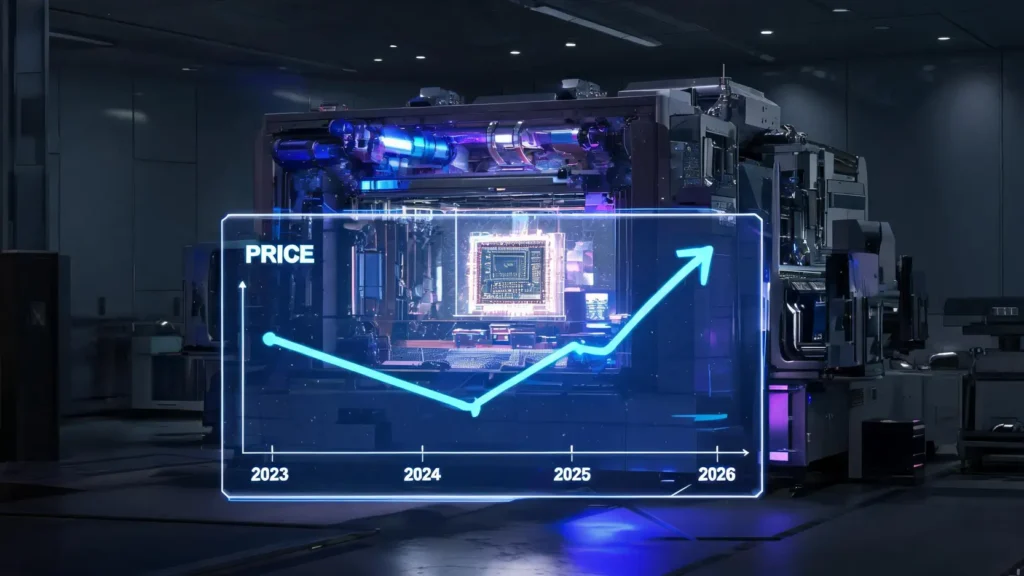
Early 2026 brought a revised outlook from ASML, signaling a more gradual recovery than initially anticipated. This adjusted forecast, primarily driven by cautious capital expenditure from some key customers and a slower ramp-up in certain advanced nodes, served as a catalyst for the selloff. While not indicative of fundamental demand destruction, it tempered market expectations for rapid growth, particularly in the short to medium term.
The Impact of the Broader Chip Stock and Tech Market Downturn
Beyond ASML’s specific guidance, the wider technology sector and chip stock market have faced headwinds. Rising interest rates, geopolitical tensions, and persistent inflation have contributed to a broader risk-off sentiment among investors. This macro environment has exerted downward pressure on growth stocks, including many semiconductor industry leaders. ASML’s recent dip, therefore, cannot be viewed in isolation but rather as a confluence of company-specific updates and broader market dynamics affecting the semiconductor stocks 2026 landscape.
The Bull Case: Why ASML Could Be a Long-Term Winner
Despite the recent turbulence, the underlying strengths of ASML present a compelling bull case for long-term investors. The company’s strategic importance in the semiconductor ecosystem remains unchallenged.
ASML’s Near-Monopoly in EUV Lithography Technology
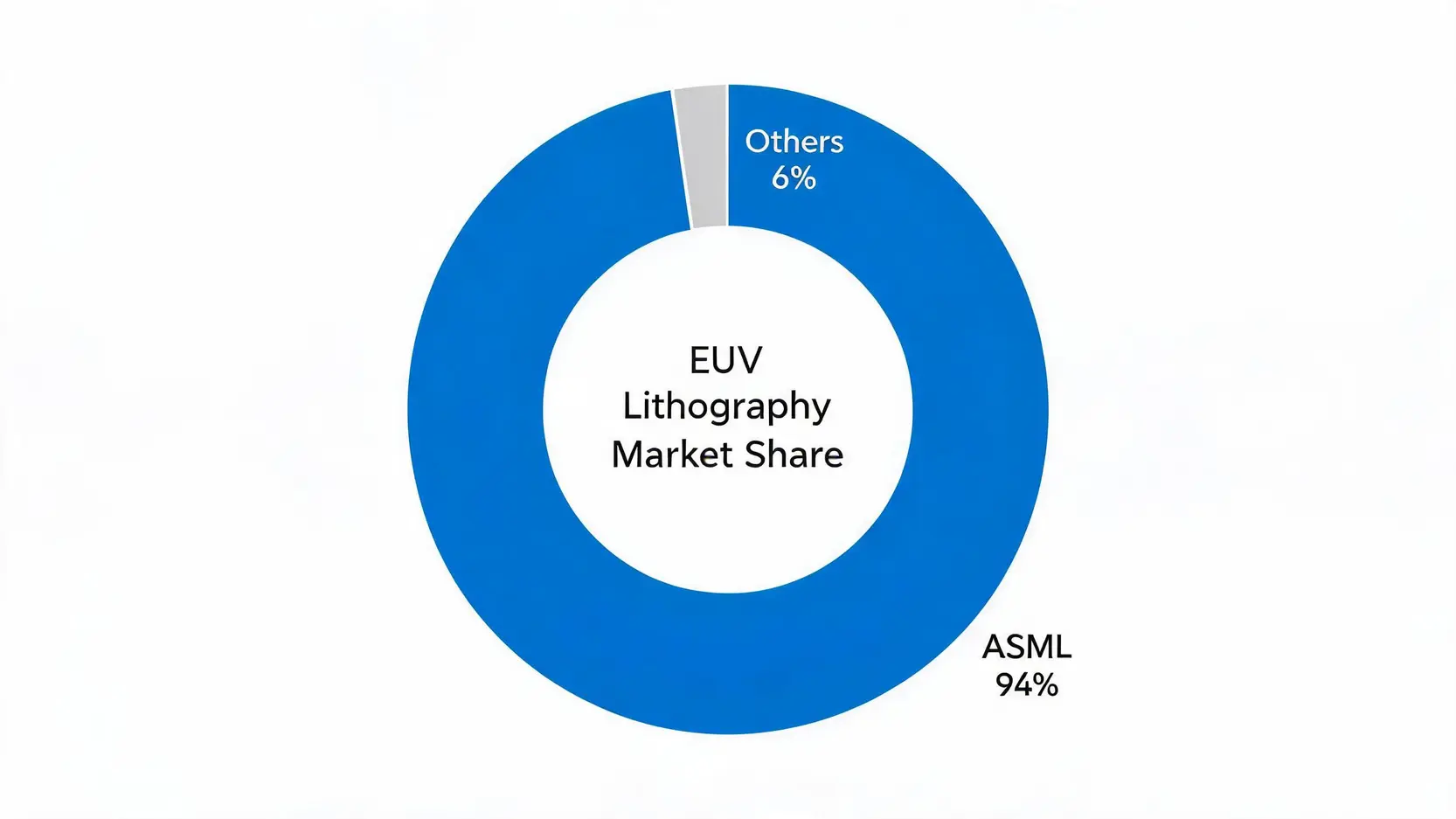
ASML holds a near-monopoly in Extreme Ultraviolet (EUV) lithography technology, a critical component for manufacturing the most advanced semiconductor chips. This technological dominance means that virtually every leading chipmaker, including TSMC, Samsung, and Intel, relies on ASML’s EUV systems to produce their next-generation processors. This indispensable position provides significant pricing power and creates substantial barriers to entry for potential competitors, solidifying ASML’s market share. Industry estimates indicate ASML controls over 90% of the global market for lithography tools, with an even higher share in the EUV segment, reaching approximately 94% in 2024. This market leadership is expected to continue into 2026 and beyond.
Future Growth Drivers: AI, Big Data, and Continued Digitization
The increasing demand for powerful computing in areas like Artificial Intelligence (AI), big data analytics, and the relentless drive towards greater digitization across all industries serves as a robust ASML growth driver. These megatrends require ever more sophisticated and densely packed chips, which, in turn, necessitate ASML’s cutting-edge lithography solutions. The company’s technological roadmap aligns perfectly with these long-term trends, ensuring sustained demand for its products and services. For investors looking at long-term investment strategies for tech stocks, ASML’s alignment with these fundamental growth areas is highly attractive.
Valuation Check: Is ASML Stock Now Undervalued?
The recent selloff has inevitably led to questions about ASML’s valuation. While past valuation metrics may have appeared stretched, the current dip offers an opportunity to assess whether the stock is now trading at a more attractive level. Experienced analysts are meticulously reviewing forward earnings multiples, discounted cash flow models, and peer comparisons to determine if the market has overreacted to the short-term headwinds, potentially creating a situation where ASML stock is undervalued. Given its long-term growth prospects and dominant market position, a temporary price correction could indeed represent a strategic entry point for patient investors.
The Bear Case: Key Risks to Consider Before Buying
While ASML’s strengths are formidable, investors must also acknowledge the significant risks that could impede its future performance.
Geopolitical Risks and US-China Export Controls
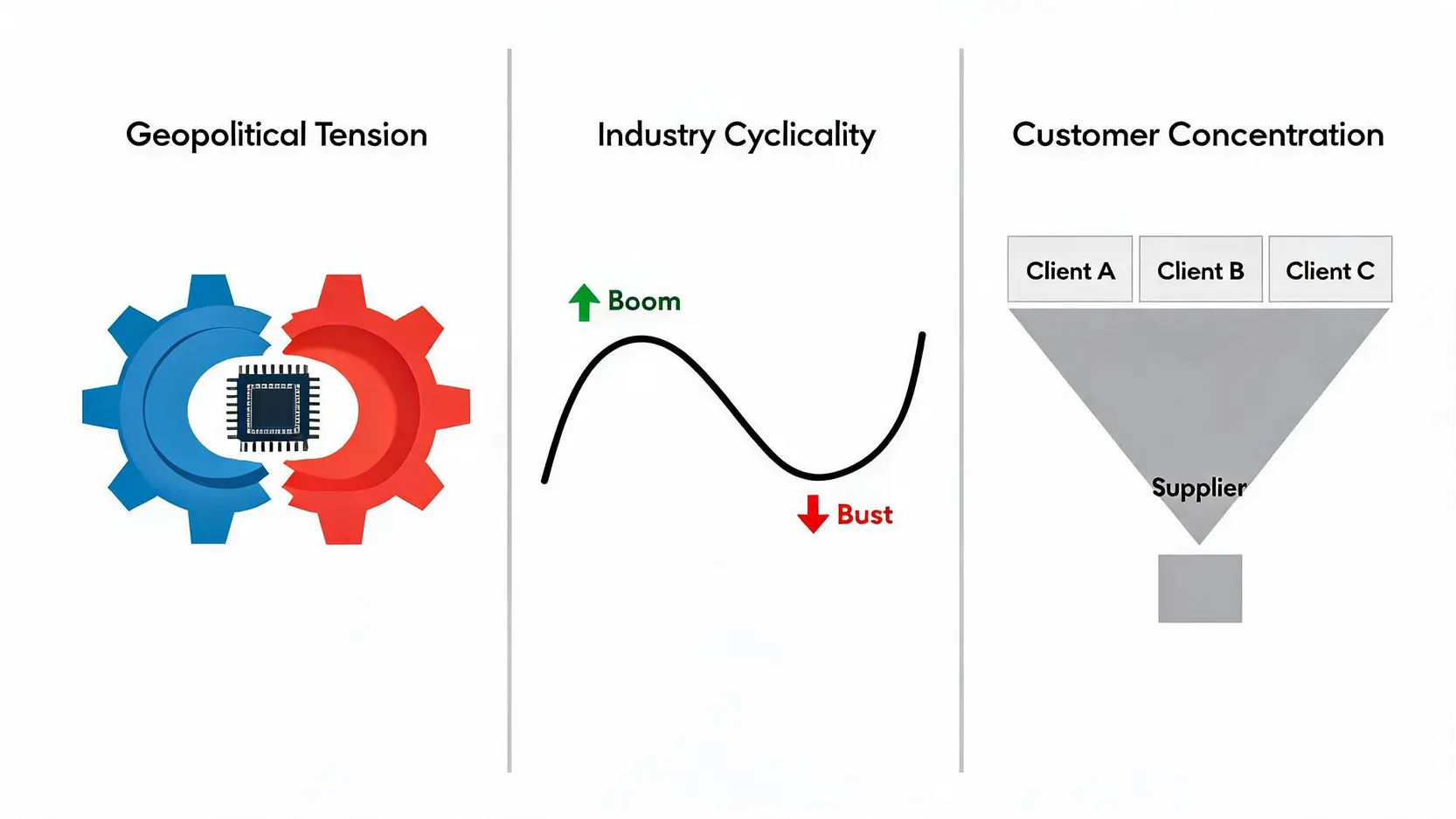
Geopolitical tensions, particularly the ongoing technological rivalry between the United States and China, pose a substantial risk to ASML. The implementation and expansion of US-China export controls on advanced semiconductor technology in 2026 could restrict ASML’s ability to sell its most advanced equipment to Chinese customers. While ASML is a Dutch company, its reliance on US technology, intellectual property, and components makes it susceptible to these regulations. Any further tightening of these controls could significantly impact ASML’s revenue from the crucial Chinese market and disrupt its global supply chain.
The Cyclical Nature of the Semiconductor Industry
The semiconductor industry is inherently cyclical, characterized by periods of robust growth followed by downturns in demand. Although ASML operates at the cutting edge and serves the most resilient segments, a prolonged or severe industry downturn could still affect its order books and revenue. Customers might delay new capital investments in lithography equipment during such periods, even for advanced nodes. Understanding this cyclicality is crucial for investors considering ASML, as even a market leader experiences fluctuations.
High Customer Concentration: Dependence on TSMC, Samsung, and Intel
ASML’s business is highly concentrated around a few major customers, predominantly TSMC, Samsung, and Intel. While these are industry titans, a significant reduction in capital expenditure or a technological shift by any one of these customers could have a disproportionately large impact on ASML’s sales. This customer concentration, while a testament to ASML’s market leadership, also represents a vulnerability, as the company’s fortunes are closely tied to the investment cycles and strategic decisions of these few powerful entities.
Conclusion
In conclusion, whether ASML stock is a buy after the selloff depends on your investment horizon and risk tolerance. While the company faces short-term headwinds and significant geopolitical risks, its long-term technological dominance in EUV lithography and its crucial role in powering AI and continued digitization present a compelling bull case. Prudent investors should weigh these potential rewards against the inherent risks, conducting their due diligence before making an investment decision. ASML remains a foundational pillar of the semiconductor industry, and its trajectory will largely define the future of advanced computing.
Frequently Asked Questions (FAQ)
Q: Is ASML considered a good long-term investment?
A: ASML is widely regarded as a strong long-term investment due to its near-monopoly in critical EUV lithography technology, essential for advanced chip manufacturing. Its alignment with secular growth trends like AI and digitization further strengthens its long-term outlook, making it a compelling choice for investors with a patient horizon.
Q: What is the biggest risk for ASML stock?
A: The biggest risk for ASML stock lies in geopolitical tensions and US-China export controls. As a pivotal supplier of advanced semiconductor technology, ASML is highly exposed to trade restrictions that could limit its access to key markets, particularly China, and disrupt its global supply chain.
Q: Who are ASML’s main competitors?
A: While ASML holds a near-monopoly in the most advanced EUV lithography, its primary competitors in other lithography segments and related semiconductor equipment include Nikon and Canon. However, for cutting-edge chip production, ASML’s EUV technology currently has no direct rival with comparable capabilities.
Q: How does ASML’s valuation compare to its peers?
A: Historically, ASML has commanded a premium valuation compared to many of its semiconductor peers due to its unique technological moat and market leadership. After recent selloffs, its valuation might appear more attractive, but a thorough analysis of forward earnings, growth prospects, and industry averages is crucial to determine if it is currently undervalued relative to its high-growth potential and strategic importance.