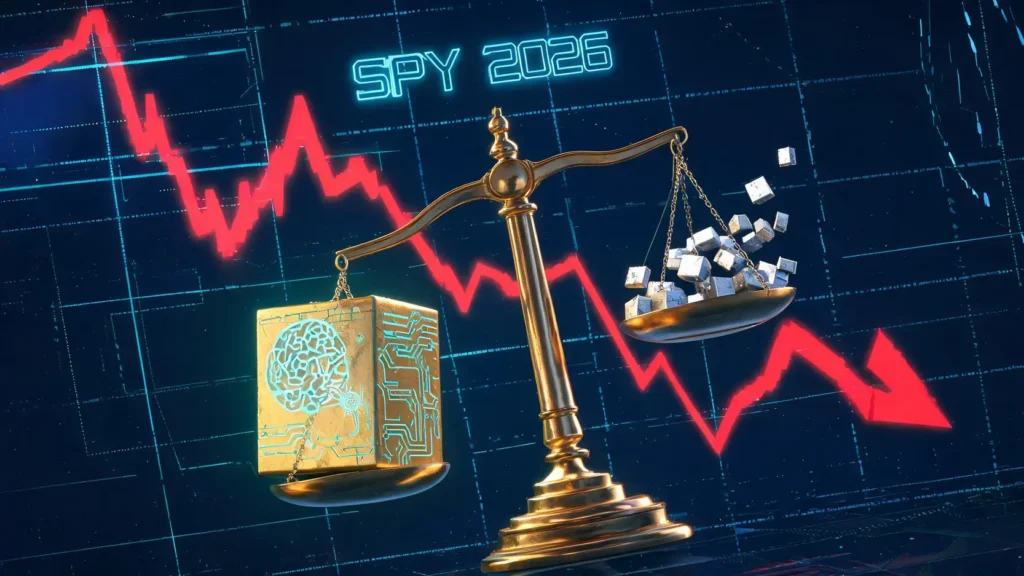
While the S&P 500 continues to be a foundational staple for passive investors globally, the broader financial market is experiencing an unprecedented level of structural concentration in a handful of massive technology companies. As the macroeconomic landscape shifts heading deeper into the year, understanding the core SPY top 10 holdings risk 2026 is absolutely crucial for protecting your portfolio from sudden, systemic downturns. In this extensive analytical guide, we will break down the current mega-cap weightings, uncover the hidden vulnerabilities they face such as the underlying S&P 500 ETF concentration risk, and reveal actionable, institutional-grade strategies to safeguard your investments against the overarching tech giant dominance in 2026.
Table of Contents
Breaking Down the SPY Top 10 Holdings Risk in 2026: A Deep Dive into S&P 500 ETF Analysis
The SPDR S&P 500 ETF Trust (SPY) has long been heralded as the quintessential benchmark for United States equities. However, evaluating the internal mechanics of this fund in 2026 reveals a highly skewed distribution of capital. When market participants purchase a share of SPY, they inherently assume they are gaining broadly diversified exposure across 500 of the largest domestic corporations. In reality, the index’s strict market-capitalization-weighted methodology has transformed it into a top-heavy vehicle dominated by a select few.
The Dominance of Tech Giants: NVDA, MSFT, and AAPL
At the absolute forefront of this index distortion are the technology behemoths: Nvidia (NVDA), Microsoft (MSFT), and Apple (AAPL). Propelled by the relentless artificial intelligence boom, robust cloud computing revenues, and global hardware ecosystems, these corporations have amassed staggering multi-trillion-dollar valuations. Consequently, their combined weight within the SPY ETF has reached historical proportions.
📊 Current Market Data Projection (Mid-2026):
- Microsoft Corp. (MSFT): Commands approximately 7% of the index, driven by enterprise AI integration.
- Apple Inc. (AAPL): Holds roughly 6.5%, maintaining its consumer electronics hegemony.
- Nvidia Corp. (NVDA): Represents over 6%, dominating the global semiconductor and AI infrastructure supply chain.
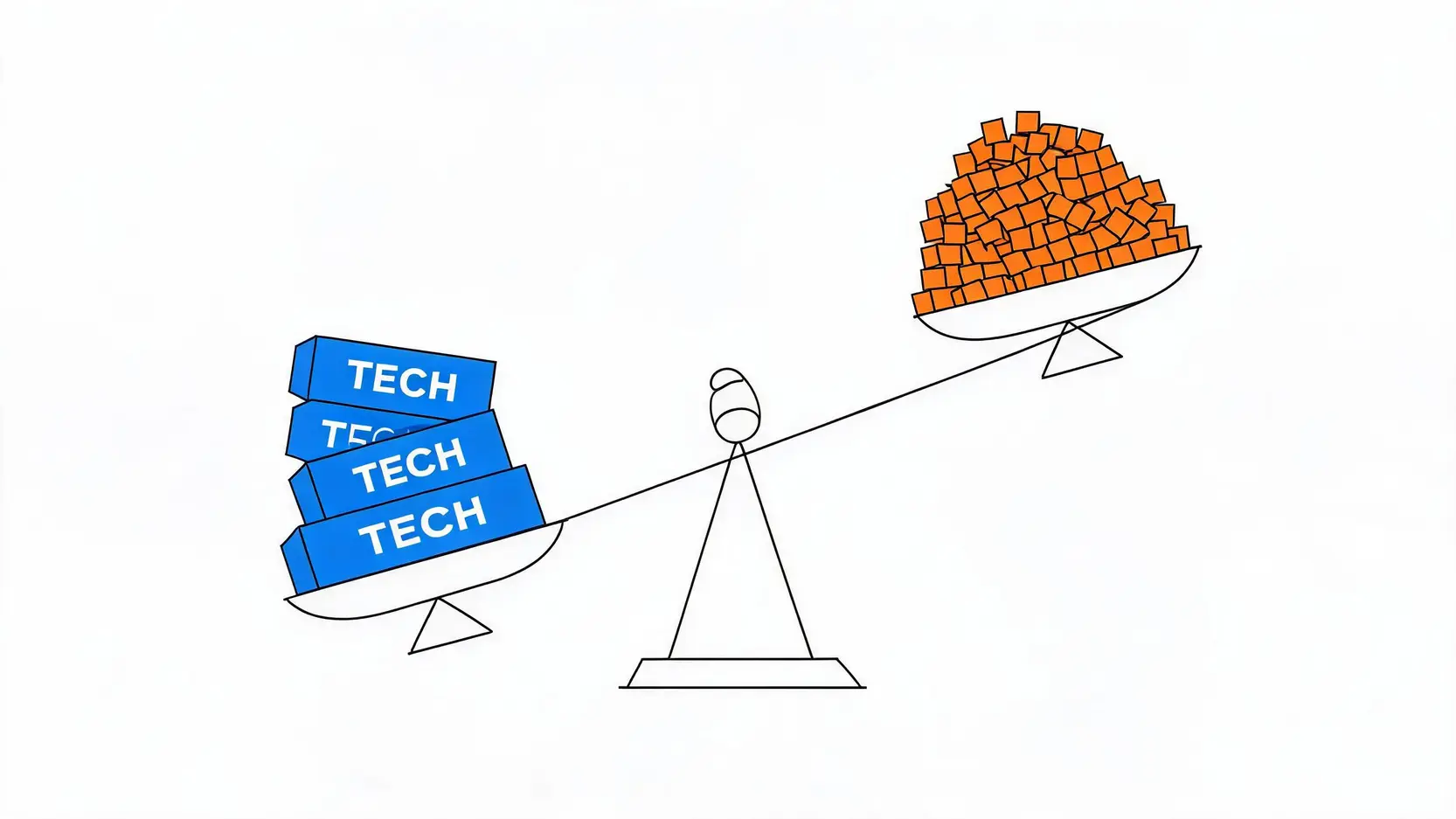
This extreme concentration means that the performance of the SPY ETF is disproportionately tethered to the operational success and market sentiment surrounding these specific technology firms. If NVDA experiences a supply chain disruption or MSFT faces a slight deceleration in Azure growth, the entire index feels the reverberations. For a broader context on how mega-caps influence broader market indices, consider reviewing this QQQ vs. SPY comparison, which meticulously delineates the nuances of tech-heavy ETF allocations.
Historical Context: How We Reached Record Concentration Levels
To fully grasp the magnitude of the SPY top 10 holdings risk 2026, it is essential to trace the trajectory that led to this tipping point. Following the pandemic, a prolonged low-interest-rate environment fueled a massive expansion in growth-oriented assets. Companies with highly scalable digital business models captured unprecedented market share, accelerating their revenue streams at a pace traditional industrials and consumer staples simply could not match.
Furthermore, the persistent global transition toward passive investing has created a self-reinforcing feedback loop. As more institutional and retail capital flows indiscriminately into index funds like SPY, a disproportionately larger segment of those funds is automatically allocated to the largest constituents, aggressively pushing their valuations even higher regardless of short-term underlying fundamentals. According to recent Morningstar’s analysis on stock market concentration, current market breadth is among the narrowest seen in nearly a century. Such historical parallels often serve as critical warning signs for impending mean reversion, necessitating a rigorous S&P 500 ETF analysis for prudent capital allocation.
Evaluating S&P 500 Concentration Risk: Top Risks Facing SPY’s Heaviest Weights in 2026
The core systemic issue with high concentration is the magnified vulnerability to sector-specific shocks. While these dominant technology companies possess robust balance sheets and vast cash reserves, they are certainly not immune to macroeconomic headwinds, geopolitical fracturing, and shifting consumer paradigms.
AI Fatigue and Overvaluation Concerns
The euphoria surrounding generative AI infrastructure has been the primary catalyst for the stock market’s upward trajectory over the last several years. However, as we navigate through the midpoint of 2026, the risk of corporate “AI fatigue” becomes palpable. Enterprises that heavily invested in AI data centers are now facing intense shareholder scrutiny regarding the tangible return on investment (ROI) these capital expenditures actually provide. If enterprise software spending begins to plateau, the astronomical multiples assigned to semiconductor and cloud leaders may contract sharply.

⚠️ Overvaluation concerns 2026 are deeply rooted in mathematical reality. When forward growth expectations are priced to absolute perfection, any slight deviation in forward guidance or an unexpected earnings miss can trigger severe multiple compression. A 15% to 20% systemic correction in the top three S&P 500 holdings could easily drag the entire SPY ETF down significantly, entirely negating positive operational performance from the remaining 490+ constituents. This highlights the hidden danger of S&P 500 concentration risk for unprepared investors.
Regulatory Threats and Antitrust Headwinds for Big Tech
Beyond valuation metrics, the top echelons of the S&P 500 face rapidly escalating regulatory pressures on a global scale. In both the United States and the United Kingdom, aggressive antitrust authorities are methodically challenging the perceived monopolistic practices of these digital giants. Ongoing investigations into restrictive App Store fees, cloud computing market dominance, and unauthorized data monetization pose existential threats to their historical profit margins.
In 2026, regulatory frameworks have become significantly more stringent, potentially forcing structural corporate breakups or imposing exorbitant, multi-billion-dollar fines. These fierce legal battles introduce a dense layer of uncertainty that passive investors absorbing the SPY top 10 holdings risk 2026 must carefully evaluate. Furthermore, geopolitical tensions could easily disrupt vital semiconductor supply chains in Asia, disproportionately impacting the hardware-centric members of the index’s top tier. For deeper insights into navigating these complex macroeconomic shifts, our dedicated analysis on the New Fed Chair Stock Market Impact 2026 provides critical perspectives on impending monetary policy and its direct effect on large-cap equity valuations.
Strategic Shifts: How to Mitigate Tech Giant Dominance and S&P 500 Concentration Risk
Recognizing the explicit existence of S&P 500 concentration risk is only the foundational first step. The defining characteristic of a sophisticated institutional investor is the ability to implement strategic, tactical adjustments that systematically protect capital while maintaining calculated exposure to upside potential. Here are several robust methodologies to construct a more resilient investment portfolio in 2026.
Diversifying with Equal-Weight S&P 500 ETFs (e.g., RSP)
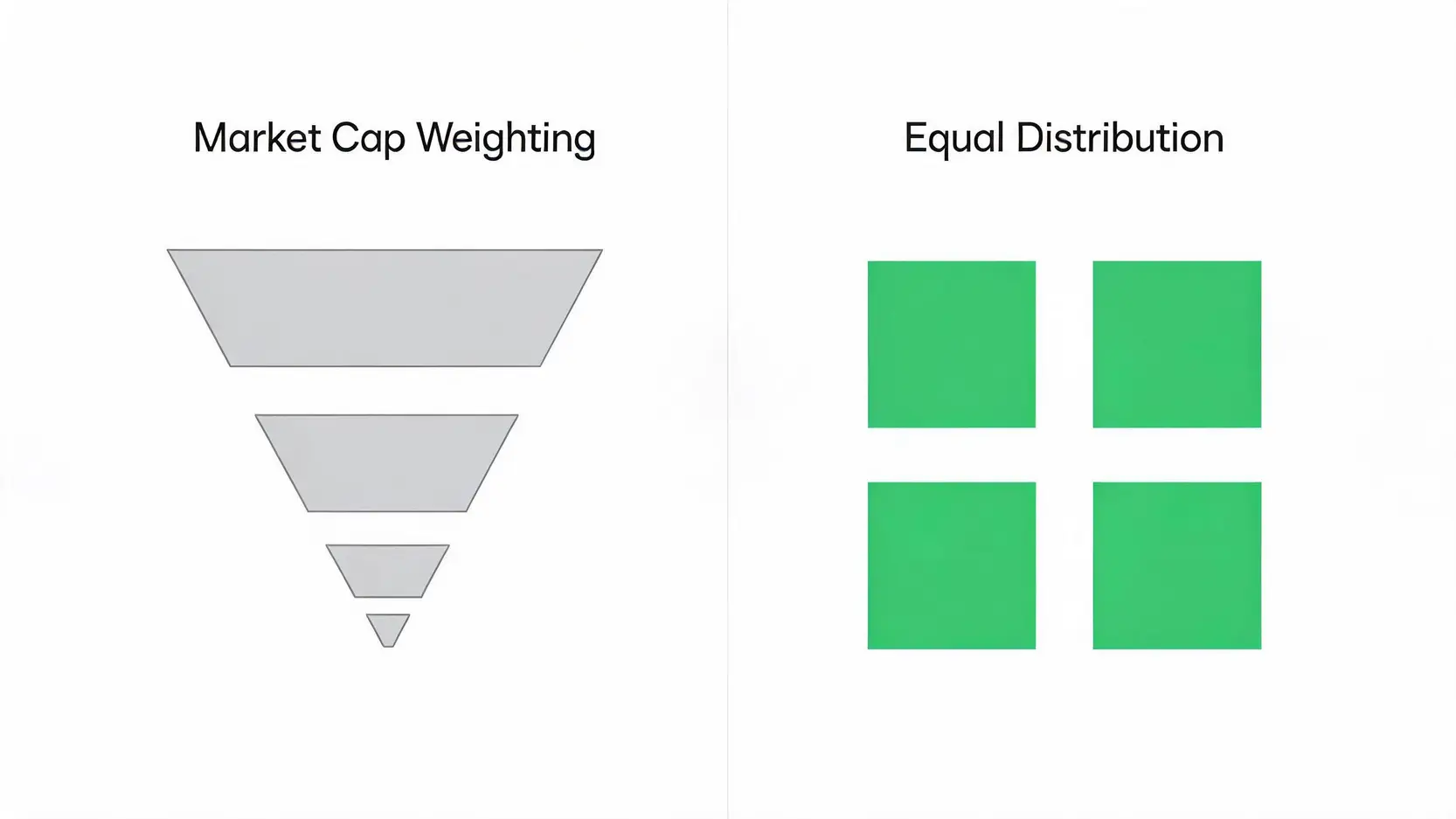
One of the most direct and mathematically sound methods to neutralize tech giant dominance is transitioning a defined portion of equity capital into equal-weight S&P 500 ETFs. Unlike the traditional SPY ETF analysis which highlights dangerous market-cap weighting, equal-weight funds (such as the Invesco S&P 500 Equal Weight ETF – RSP) assign precisely a 0.20% structural weight to each of the 500 companies.
- Systematic Rebalancing: This structure systematically forces the fund manager to buy low and sell high through rigorous quarterly rebalancing.
- Risk Dispersion: It dramatically reduces direct portfolio exposure to the top 10 holdings, shifting the primary performance driver from a handful of mega-caps to the broader, underlying domestic economy.
- Downside Resilience: If the overextended technology sector experiences a significant macroeconomic drawdown, the equal-weight counterpart historically demonstrates superior resilience, strongly buoyed by the stability of industrials, financials, and healthcare sectors.
Strengthening Your Portfolio with Value and Dividend Funds
During periods of elevated market fragility and concentration risk, strategically rotating capital into value-oriented and dividend-paying assets provides a robust defensive mechanism. Companies possessing consistent operational cash flows, fortress balance sheets, and a demonstrable history of shareholder capital returns typically exhibit substantially lower volatility than hyper-growth tech stocks.
Incorporating premium dividend growth ETFs or actively managed value funds can effectively offset the SPY top 10 holdings risk 2026. These investment vehicles prioritize present-day fundamental metrics over speculative momentum, ensuring that your capital is firmly anchored in businesses generating tangible profits today, rather than theoretical earnings in a distant future. This deliberate approach is particularly effective in a macroeconomic environment where structural inflation or central bank interest rates remain highly unpredictable.
Advanced Tactics: Using Options to Hedge Downside Exposure
For institutional investors and highly sophisticated retail traders, options contracts provide a surgically precise instrument to hedge against acute index drawdowns. Purchasing out-of-the-money (OTM) put options on the SPY ETF can act as a reliable financial insurance policy. If an unexpected regulatory shock or sudden AI fatigue triggers a rapid, cascading sell-off in the top 10 holdings, the intrinsic value of the put options will surge, successfully offsetting the severe losses incurred in the core equity portfolio.
Alternatively, implementing a disciplined covered call strategy or utilizing collar options can generate supplementary portfolio yield while strictly capping potential downside losses. While these advanced tactical operations require a comprehensive understanding of derivatives and implied volatility pricing, they are indispensable tools for those seeking to actively manage S&P 500 concentration risk without completely liquidating their core, long-term equity positions.
Conclusion: Navigating Overvaluation Concerns 2026 and SPY Top 10 Holdings Risk
In analytical summary, while the top constituents of the S&P 500 index have historically driven remarkable, unprecedented market growth, relying entirely on a select few technology behemoths poses undeniable, systemic threats to long-term wealth preservation. Recognizing the severity of the SPY top 10 holdings risk 2026 empowers you to make proactive, mathematically informed decisions to structurally diversify your assets away from isolated tech giant dominance.
As the complex financial landscape of 2026 continues to rapidly evolve amidst transformative technological shifts and looming macroeconomic uncertainties, deeply understanding the underlying S&P 500 concentration risk is paramount for serious investors. Rigorously review your current institutional asset allocation today, and seriously consider implementing equal-weight distributions, dividend-yield weighting, or advanced defensive hedging strategies to ensure your investment portfolio remains thoroughly resilient and highly capable of compounding capital in absolutely any market condition.
Frequently Asked Questions About S&P 500 ETF Concentration Risk
Q: Is SPY considered a high-risk investment in 2026 due to extreme tech exposure?
A: While the SPY ETF remains a foundational, highly liquid asset for long-term wealth accumulation, its current risk profile is undeniably elevated compared to historical, diversified norms. The profound reliance on the technology and communication sectors means that SPY is far more susceptible to industry-specific macroeconomic shocks. It is not inherently “high-risk” in the context of purely speculative assets, but it strictly demands a higher degree of portfolio diversification and risk management than it did a decade ago.
Q: How frequently does the SPDR S&P 500 ETF rebalance its underlying holdings?
A: The underlying S&P 500 index, and consequently the SPY ETF, undergoes formal rebalancing on a quarterly basis—specifically occurring in March, June, September, and December. During these pivotal periods, constituent weightings are mathematically adjusted, and companies may be added or removed based on the strict criteria of the index committee. However, because it strictly adheres to market-cap-weighting, massive tech companies retain their outsized structural influence as long as their equity valuations remain elevated.
Q: Does high concentration in the top 10 always unequivocally lead to a market crash?
A: Not necessarily. Historically, high concentration often reflects the genuine, unparalleled operational dominance and exceptional free cash flow generation of the leading companies. The current top 10 constituents have fundamentally transformed the global digital economy. However, extreme structural concentration creates underlying fragility; if those few companies falter due to sudden regulatory, economic, or competitive pressures, the overall index will suffer disproportionately, increasing S&P 500 concentration risk.
Q: What is the absolute most effective way to hedge against SPY top 10 holdings risk 2026?
A: The optimal tactical approach depends entirely on your specific investment horizon and institutional risk tolerance. For long-term, passive investors, systematically blending the SPY ETF with an equal-weight index fund or deliberately increasing exposure to international markets provides natural, geographic diversification. For highly active traders, utilizing index put options or rotating capital into defensive, non-correlated sectors (such as healthcare and utilities) offers immediate, calculated protection against short-term volatility spikes.
Q: Will the dominance of the ‘Magnificent 7’ tech giants continue indefinitely?
A: A rigorous analysis of historical market cycles strongly suggests that sector leadership eventually rotates. While the current technology titans boast formidable, multi-billion-dollar competitive moats, external factors such as global market saturation, aggressive antitrust legislation, and disruptive technological innovation by emerging competitors will inevitably challenge their supremacy. Maintaining a strategically diversified portfolio ensures you are optimally positioned for whichever sector assumes global market leadership next.