
In the evolving economic landscape of 2026, securing a reliable income stream is a paramount objective for astute investors. This guide delves into the best FTSE 100 dividend stocks 2026, offering a data-driven analysis of blue-chip companies poised to deliver substantial passive income. Identifying high-yield FTSE 100 companies is more than just chasing percentages; it’s about pinpointing robust businesses with the financial strength to maintain and grow their payouts. Our objective is to provide a curated list of top-tier dividend stocks, underpinned by a rigorous selection process, to fortify your portfolio against market crosswinds.
Table of Contents
Why Invest in FTSE 100 Dividend Stocks for 2026?
The allure of the Financial Times Stock Exchange 100 Index extends beyond its representation of the UK’s largest listed companies. For income-focused investors, it represents a reservoir of historically stable and generous dividend payers. In 2026, the strategic importance of these assets is magnified by prevailing market conditions and the timeless principles of wealth creation.
The Power of Compound Returns and Passive Income
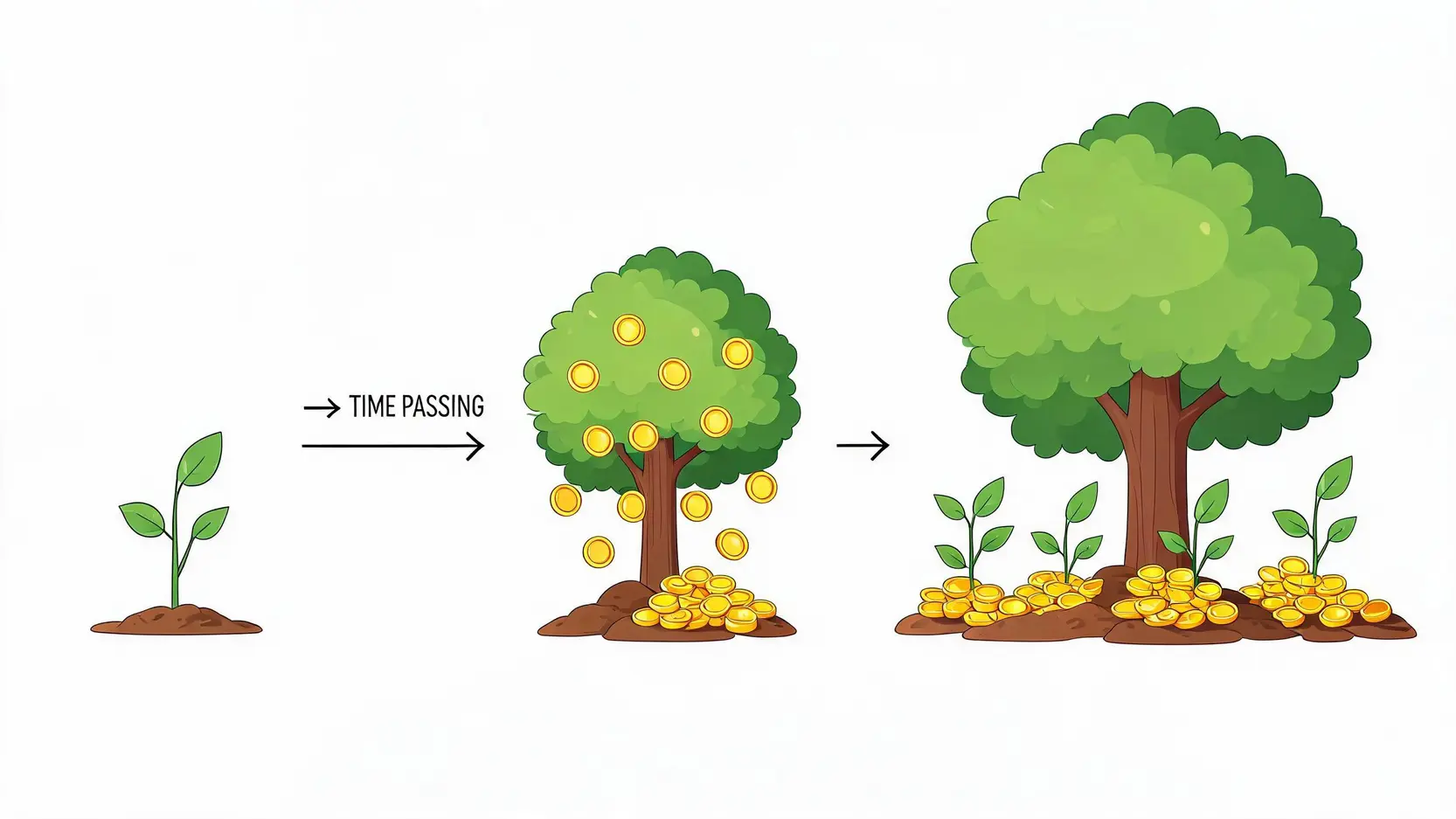
Dividend investing is a powerful engine for wealth accumulation. Each payout can be reinvested to purchase more shares, which in turn generate their own dividends. This phenomenon, known as compounding, can dramatically accelerate the growth of a portfolio over time. Furthermore, for those seeking to supplement their regular income or fund their retirement, consistent dividends from FTSE 100 stalwarts provide a dependable stream of passive income, a financial buffer that operates independently of your primary career.
Navigating 2026 Market Volatility with Stable Payouts
The financial markets of 2026 are characterized by a unique set of challenges, including geopolitical tensions and shifting monetary policies. During such periods of uncertainty, companies with a long track record of rewarding shareholders tend to exhibit lower volatility. Their commitment to paying dividends often reflects a mature business model, strong cash flow, and a management team focused on shareholder value. This stability makes high-yield FTSE 100 dividend stocks a defensive cornerstone for any well-balanced investment portfolio.
Our Criteria: How We Selected the Best Dividend Stocks
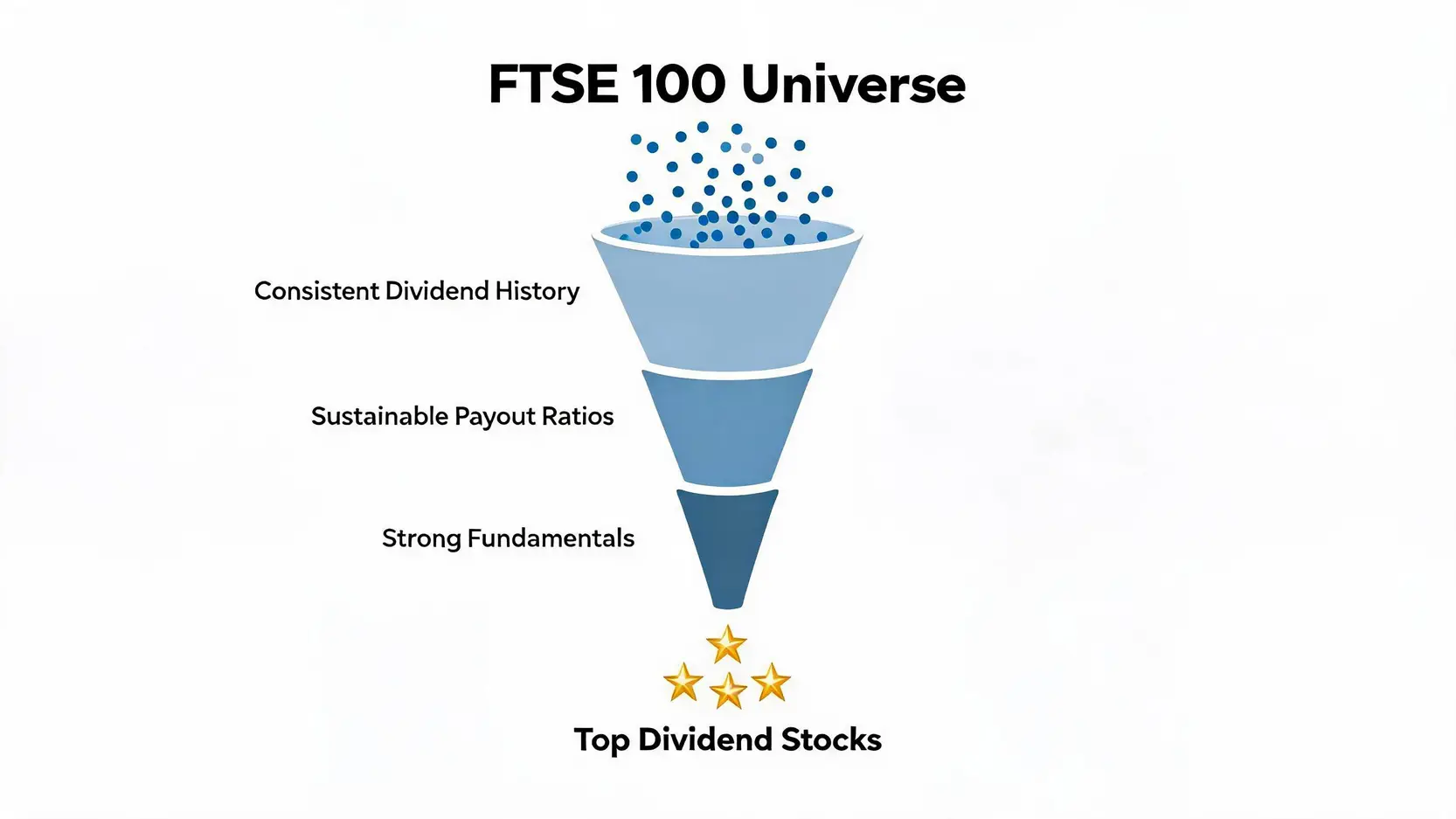
A high dividend yield is attractive, but it can also be a warning sign. Our selection methodology prioritizes sustainability and quality over sheer numbers. We’ve filtered the FTSE 100 to identify elite companies that don’t just promise high yields but have the fundamentals to back them up.
Consistent Dividend History & Growth
A company’s past performance is a strong indicator of its future reliability. We prioritized businesses that have not only paid dividends consistently but have also demonstrated a commitment to increasing them over time. A track record of dividend growth signals a healthy, expanding business that is confident in its future earnings potential.
Sustainable Payout Ratios
The payout ratio—the proportion of earnings paid out as dividends—is a critical metric of sustainability. A ratio that is too high (e.g., over 80-90%) may suggest the company is returning more cash to shareholders than it can afford, potentially jeopardizing future payments and investment in its own growth. We targeted companies with healthy, sustainable payout ratios that indicate a balance between rewarding investors and reinvesting for the future.
Strong Company Fundamentals and Future Outlook
Beyond dividend metrics, we conducted a thorough analysis of each company’s financial health. This includes examining balance sheet strength, revenue growth, profit margins, and competitive positioning within their respective industries. A positive future outlook, driven by innovation, market leadership, and sound strategic planning, is essential for ensuring that dividend payments are secure for years to come.
Top 10 FTSE 100 Dividend Stocks for 2026
Based on our stringent criteria, here is our curated list of the top 10 dividend-paying stocks from the FTSE 100 for your 2026 portfolio. (Note: Yields are indicative and subject to market fluctuations.)
Stock 1: Legal & General Group (LGEN) – Financial Services, Yield: ~8.9%
A powerhouse in the UK’s financial services sector, Legal & General specializes in investment management, lifetime mortgages, and insurance. Its robust business model generates significant cash flow, supporting a consistently high dividend yield. The 2026 outlook is bolstered by demographic trends, such as an aging population requiring retirement solutions, making its dividend profile particularly compelling.
Stock 2: Phoenix Group Holdings (PHNX) – Insurance, Yield: ~10.1%
As Europe’s largest owner of life and pension funds, Phoenix Group excels at acquiring and managing closed-life and pension funds. This unique business model provides exceptional cash flow visibility, underpinning its status as one of the FTSE 100’s highest yielders. Its strategy of consolidation and efficient management continues to support generous shareholder returns.
Stock 3: British American Tobacco (BATS) – Tobacco, Yield: ~9.5%
Despite ESG headwinds, British American Tobacco remains a dividend aristocrat. Its immense pricing power and brand loyalty in traditional tobacco products fund a substantial dividend. Moreover, its strategic pivot towards ‘New Category’ products like vapes and heated tobacco offers a potential new growth vector, securing its future earnings and, by extension, its dividend capacity.
Stock 4: Vodafone Group (VOD) – Telecommunications, Yield: ~9.8%
This telecommunications giant operates in a sector defined by essential services, ensuring relatively stable revenues. While the share price has faced challenges, the management’s focus on streamlining operations and a significant dividend yield make it attractive for income seekers. Growth in data demand and 5G services provides a solid foundation for future cash flows.
Stock 5: GSK plc (GSK) – Pharmaceuticals, Yield: ~4.5%
Following its demerger of the consumer healthcare division, GSK is now a more focused biopharma company concentrating on vaccines and specialty medicines. This strategic shift is aimed at unlocking higher growth. While its yield is more moderate, the combination of a stable dividend and significant growth potential from its drug pipeline presents a balanced investment case for 2026.
Stock 6: Shell plc (SHEL) – Energy, Yield: ~4.2%
As a global energy supermajor, Shell’s fortunes are tied to commodity prices, but its integrated model provides resilience. The company has demonstrated a renewed commitment to shareholder returns through both dividends and buybacks. Its ongoing investment in transitional and renewable energy sources also positions it for the long-term energy landscape.
Stock 7: Rio Tinto (RIO) – Mining, Yield: ~6.8%
This leading global mining group benefits from a diversified portfolio of assets, including iron ore, copper, and aluminum. Its profitability is sensitive to global economic cycles, but a disciplined approach to capital allocation allows for substantial dividend payments, especially during periods of high commodity prices. The global push for electrification and infrastructure underpins long-term demand for its core products.
Stock 8: National Grid (NG.) – Utilities, Yield: ~5.7%
Operating critical energy infrastructure in the UK and the US, National Grid is a classic defensive dividend stock. Its revenues are regulated, providing a high degree of predictability and stability. The company is at the heart of the energy transition, requiring massive investment in its networks, which is expected to drive regulated asset growth and support a progressive dividend policy.
Stock 9: HSBC Holdings (HSBA) – Banking, Yield: ~7.1%
With its strategic focus on Asia, HSBC offers investors exposure to some of the world’s fastest-growing economies. A higher interest rate environment has significantly boosted its net interest margins and overall profitability. The bank’s strong capital position supports a robust dividend and the potential for special dividends or buybacks, making it a top pick in the banking sector.
Stock 10: Aviva plc (AV.) – Insurance, Yield: ~7.5%
Following a period of significant restructuring, Aviva has emerged as a leaner, more focused UK and Ireland-centric insurance, wealth, and retirement business. Its simplified structure and strong capital generation have allowed management to commit to a clear and attractive dividend policy. The 2026 outlook is positive as it capitalizes on its strong brand and market position.
Risks and Considerations Before You Invest
Investing in high-yield dividend stocks requires a clear-eyed assessment of the potential risks. While the rewards can be substantial, it’s crucial to navigate the landscape with a strategic mindset to avoid common pitfalls and protect your capital.
Understanding Market Risk and Economic Headwinds
No stock is immune to broader market forces. An economic downturn, rising interest rates, or sector-specific challenges can impact a company’s ability to maintain its dividend. Even the most stable FTSE 100 companies can face share price declines during a bear market. It’s essential to assess the economic climate and understand how it might affect the sectors in which you are invested.
The Danger of a ‘Dividend Trap’
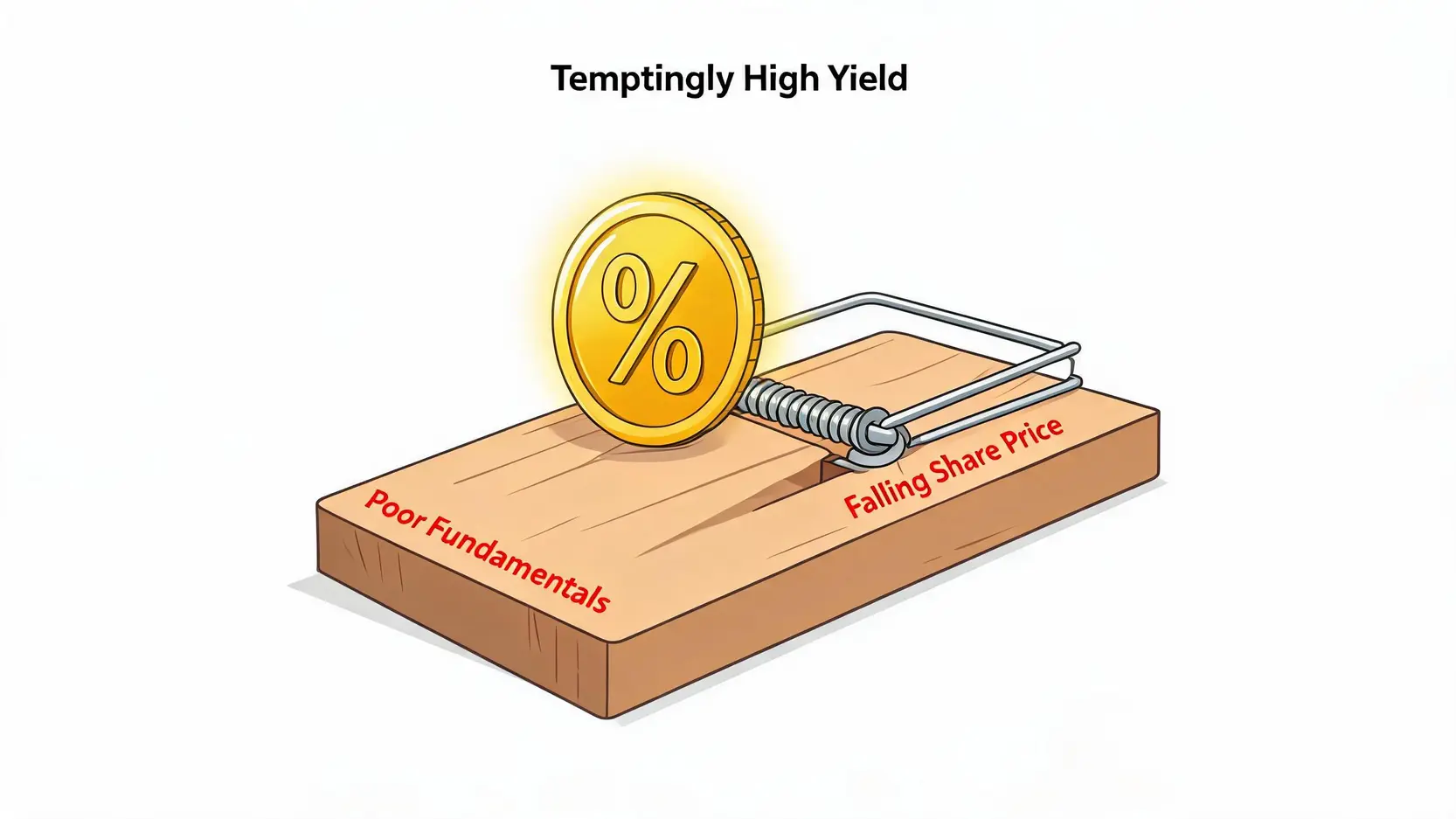
A ‘dividend trap’ occurs when a company’s dividend yield appears exceptionally high because its stock price has fallen dramatically. This often signals underlying problems with the business. Investors lured in by the high headline yield may find that the dividend is soon cut or eliminated entirely, leading to significant capital losses. Always investigate *why* a yield is so high and scrutinize the company’s fundamentals before investing.
Tax Implications on Dividend Income in the UK
Understanding the tax implications of dividend income is crucial for maximizing your net returns. For the 2026/2027 tax year in the UK, investors have a Dividend Allowance of £500. Any dividend income received above this amount is subject to tax. The rate of tax depends on your Income Tax band:
- Basic Rate: 8.75%
- Higher Rate: 33.75%
- Additional Rate: 39.35%
It’s highly recommended to utilize tax-efficient accounts like a Stocks and Shares ISA or a SIPP (Self-Invested Personal Pension), where all dividend income and capital gains are sheltered from tax. For the most current and detailed information, refer to the official guidance on the GOV.UK website.
How to Start Investing in FTSE 100 Dividend Stocks
Embarking on your dividend investing journey is a straightforward process. Following these actionable steps will provide a structured path to building your income-generating portfolio. 📈
Step 1: Choosing the Right Trading Platform
Your first step is to select a brokerage or trading platform. Key factors to consider include fees (trading commissions, custody charges), the range of available investments, the user-friendliness of the platform, and regulatory oversight (ensure it’s regulated by the Financial Conduct Authority – FCA). Different platforms cater to different needs, from beginner investors to seasoned traders. A proper evaluation is essential; our guide on choosing the right trading platform can provide deeper insights.
Step 2: Building a Diversified Dividend Portfolio
While our list provides excellent starting points, concentration risk is a real danger. Avoid placing all your capital into a single stock or sector. A well-diversified portfolio should include 10-15 different companies spread across various industries, such as finance, energy, utilities, consumer staples, and healthcare. This diversification helps to mitigate the impact if one company or sector underperforms. For a deeper dive, explore our guide on building a diversified portfolio.
Step 3: Monitoring Your Investments
Dividend investing is not a ‘set and forget’ strategy. It’s important to periodically review your portfolio—at least quarterly or semi-annually. Monitor company announcements, earnings reports, and any changes to their dividend policies. Re-evaluate your holdings to ensure they still align with your investment criteria and financial goals. This proactive approach allows you to make informed decisions and maintain the health of your income stream.
Conclusion
Investing in the best FTSE 100 dividend stocks for 2026 offers a powerful strategy for generating passive income and achieving long-term capital growth. By focusing on companies with strong fundamentals, sustainable payout ratios, and a history of shareholder returns, you can build a resilient portfolio capable of weathering economic fluctuations. The key to success lies not in chasing the highest yields but in a disciplined, research-driven approach. The insights and selections provided in this guide serve as a robust starting point for your investment journey. Now is the time to take action and begin constructing a portfolio that works for your financial future.
Frequently Asked Questions
Q: What is a good dividend yield for a FTSE 100 stock?
A: A ‘good’ yield is subjective, but typically, a yield between 3% and 6% is considered attractive and often sustainable for a blue-chip FTSE 100 company. Yields significantly above this range, while tempting, warrant closer inspection to rule out the possibility of a dividend trap. The FTSE 100 index average yield itself serves as a useful benchmark.
Q: How often are dividends paid by FTSE 100 companies?
A: The payment frequency varies. Most FTSE 100 companies pay dividends on a semi-annual (twice a year) or quarterly (four times a year) basis. Some may pay a single final dividend annually. The company’s investor relations website will provide a clear dividend calendar and payment history.
Q: Can FTSE 100 companies stop paying dividends?
A: Yes, absolutely. Dividend payments are not guaranteed. A company’s board of directors can decide to reduce, suspend, or cancel dividend payments at any time. This usually happens when the company faces financial difficulties, a sharp decline in profits, or needs to preserve cash for reinvestment or debt reduction. This is why thorough, ongoing research into a company’s financial health is critical.