The European financial landscape is undergoing a seismic shift as the UniCredit Commerzbank takeover 2026 battle reaches a critical boiling point. With a staggering €40 billion valuation, this aggressive consolidation effort, a cornerstone of UniCredit’s pan-European strategy, aims to forge a new banking powerhouse. However, amidst fierce Commerzbank protests, stringent regulatory scrutiny, and a tough battle for shareholder tender acceptances, investors are left questioning if the deal will successfully close. This article breaks down the strategic rationale, the latest tender data, and the broader market implications of this historic banking merger.
Table of Contents
Understanding the Strategic Rationale Behind the UniCredit Takeover
At the heart of this monumental bid is a clear and ambitious vision. UniCredit, under the leadership of CEO Andrea Orcel, is not merely acquiring another bank; it is attempting to architect the future of European banking. The move on Commerzbank is the most aggressive manifestation of a strategy designed to create a financial institution with the scale and scope to compete on a global stage, particularly against the dominant players from the United States and Asia. This is more than a merger; it is a calculated step towards pan-European banking consolidation.
UniCredit’s Vision for a Pan-European Banking Strategy
For years, the European banking sector has been criticized for its fragmentation. Unlike the consolidated U.S. market, Europe is a patchwork of national champions, creating inefficiencies and hindering the flow of capital across borders. UniCredit’s strategy directly confronts this issue. The acquisition of Commerzbank is intended to create a true cross-border banking group with significant market share in two of Europe’s largest economies: Italy and Germany. The strategic logic rests on several key pillars:
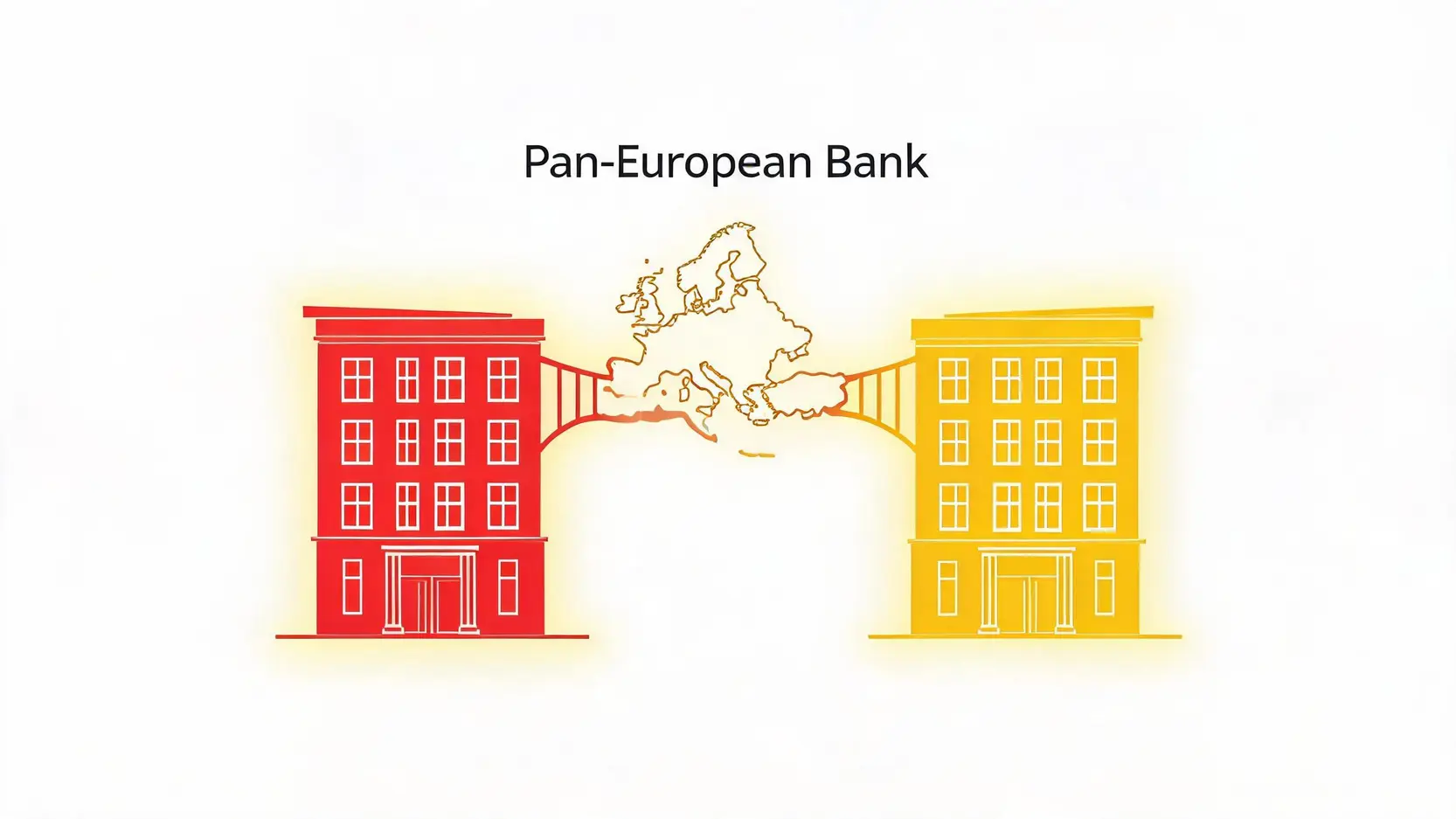
- Scale and Diversification: Combining UniCredit’s strength in Italy and Central & Eastern Europe with Commerzbank’s deep roots in the German Mittelstand (small and medium-sized enterprises) creates a geographically and operationally diversified entity. This reduces reliance on any single market and provides a more stable earnings base.
- Synergies and Efficiency: Management has projected billions in potential cost savings through the consolidation of IT systems, administrative functions, and overlapping branch networks. Furthermore, revenue synergies are expected from cross-selling investment banking products to Commerzbank’s corporate clients.
- Capital Market Strength: A larger, more profitable bank would have a stronger presence in capital markets, a lower cost of funding, and the ability to finance larger corporate deals, positioning it as a lead European alternative to Wall Street banks. You can explore more about market dynamics in our guide to financial markets.
This vision, while compelling on paper, has been labeled by German stakeholders as an Italian conquest rather than a merger of equals, fueling much of the resistance. UniCredit’s argument, detailed in its official strategy documents, is that such bold moves are necessary for Europe to maintain its financial sovereignty.
Financial Implications: Fitch Ratings and the Combined Credit Profile
Credit rating agencies are watching the deal with intense focus. In a March 2026 report, Fitch Ratings noted that a successful takeover could ultimately benefit the combined group’s credit profile. The agency highlighted that the merger would enhance UniCredit’s business profile by significantly improving its geographic diversification and strengthening its franchise in the stable and robust German market.
However, the analysis is not without its caveats. Fitch also pointed to substantial execution risks, including the challenge of integrating two complex institutions with different corporate cultures and the potential for prolonged restructuring costs. The combined entity’s financial profile would be closely scrutinized based on these factors:
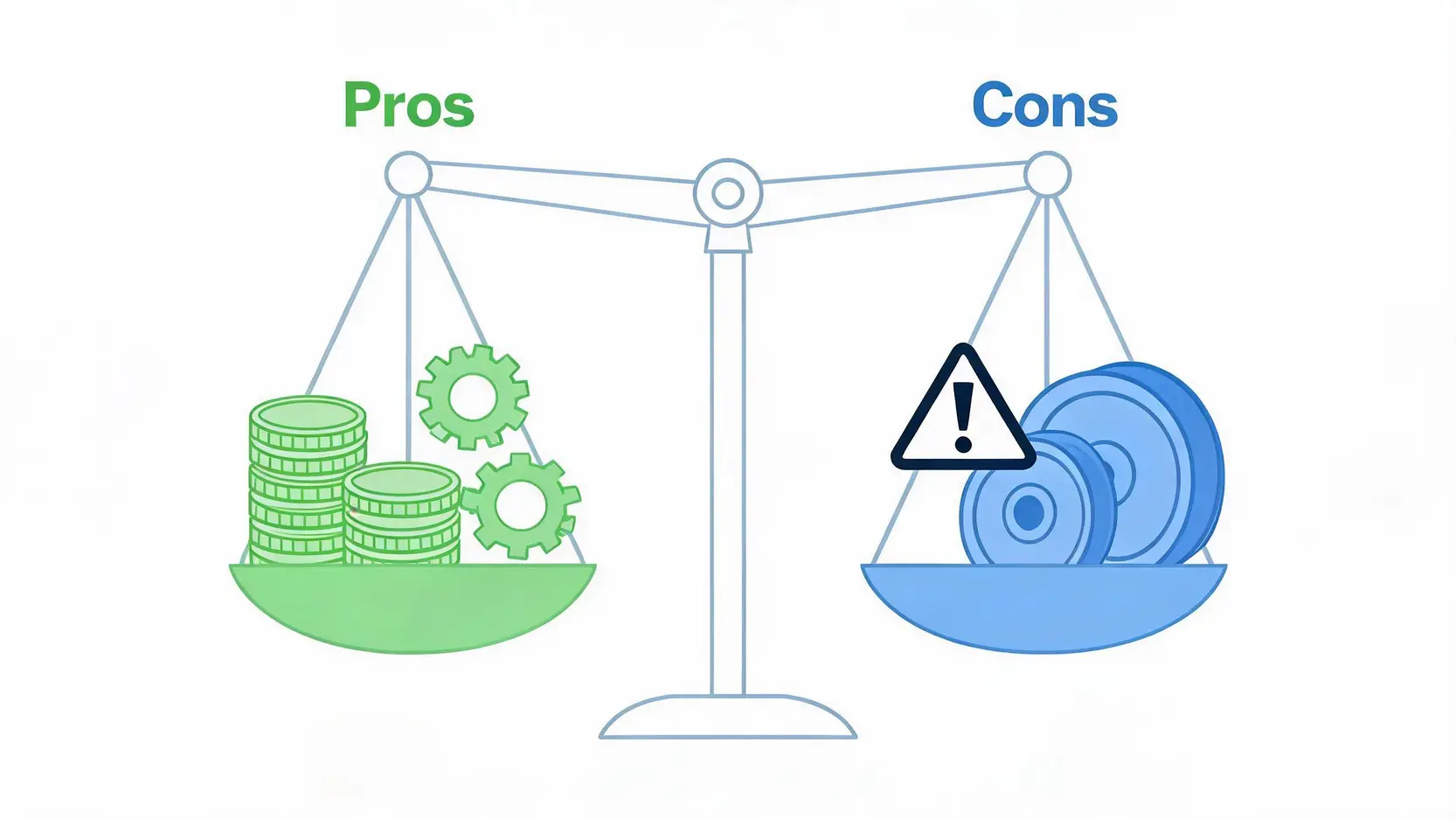
| Factor | Potential Positive Impact (+) | Potential Negative Impact (-) |
|---|---|---|
| Diversification | Reduced dependence on the Italian economy; access to Germany’s strong corporate base. | Exposure to potential new risks in the German market. |
| Profitability | Long-term synergy realization and cost-cutting could boost profits. | Short-to-medium term pressure from high restructuring and integration costs. |
| Capitalization | A larger, more profitable entity could generate capital more effectively. | The acquisition itself could temporarily deplete capital buffers. |
| Funding & Liquidity | Improved access to capital markets and a potentially lower cost of funds. | Market uncertainty during the takeover process could impact funding costs. |
Fitch’s ‘A-‘ rating for UniCredit, upgraded in early 2026, reflects the bank’s strong starting position, but the successful integration of Commerzbank remains the single largest variable in its future credit outlook. The deal’s final structure and the cost of overcoming stakeholder resistance will be critical determinants.
Navigating Stakeholder Protests and Current Tender Acceptances
While the strategic vision is grand, the reality on the ground is fraught with conflict. The path to consolidation is blocked by a wall of opposition from those who would be most affected: Commerzbank’s employees, its leadership, and a significant portion of its investor base. This resistance is a major factor in the low tender acceptance rate, casting a long shadow over the deal’s prospects.
Analyzing the 7.85% Tender Acceptance Rate Milestone (June 2026)
As of early June 2026, the battle for shareholder approval appears to be an uphill struggle for UniCredit. Reports confirmed that tender acceptances for the takeover offer had reached a mere 7.85%. This figure, reported by outlets like Reuters, is significantly below the typical threshold required for a successful takeover at this stage of the offer period. It signals deep-seated skepticism among Commerzbank shareholders. There are several interpretations of this low number:
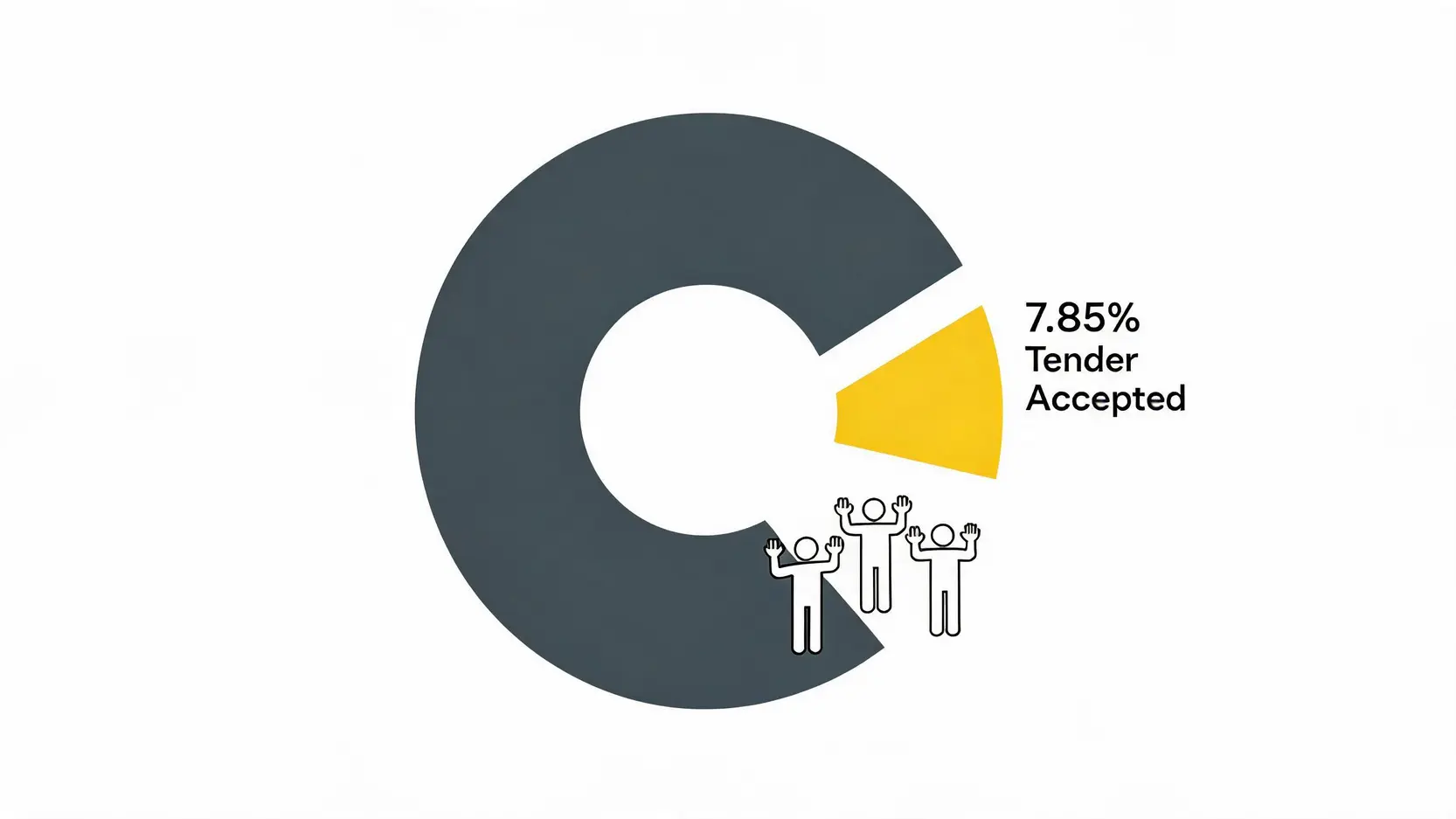
- 😠 A Sign of Rejection: The most straightforward reading is that shareholders find the offer unattractive. Commerzbank’s board has formally rejected the bid as too low and risky, and it appears many investors agree.
- 🤔 Strategic Holdout: Some large institutional investors may be holding out, waiting for UniCredit to sweeten the deal. By withholding their shares, they exert maximum pressure on the bidder to increase the offer price before the acceptance period expires.
- 🇩🇪 Government Influence: The German government, which holds a significant stake of over 15% in Commerzbank, has been publicly critical of the hostile bid. Its reluctance to tender its shares sends a powerful signal to other investors and represents a formidable obstacle.
The low acceptance rate places immense pressure on UniCredit. The bank must either raise its offer, a move that could strain its own financials, or engage in a more aggressive campaign to win over shareholders, which could further alienate German regulators and the public.
Inside the Commerzbank Leaders, Workers, and Investor Protests
The opposition to the UniCredit takeover is not just a boardroom affair; it has spilled onto the streets. At Commerzbank’s Annual General Meeting in May 2026, hundreds of employees, backed by the powerful German union Verdi, staged vocal Commerzbank protests. Their grievances are profound and multifaceted, reflecting a clash of corporate cultures and national interests.
The core of the protests revolves around the fear of massive job losses. Unions project that a merger could result in over 10,000 job cuts, particularly in Germany, as UniCredit seeks to eliminate operational redundancies. These protests underscore a deep-seated fear that the German corporate banking focus of Commerzbank will be dismantled in favor of UniCredit’s investment banking-led model.
Commerzbank’s leadership, led by CEO Bettina Orlopp, has become the public face of this resistance. They have criticized the deal on several grounds:
- Under-valuation: The offer does not reflect Commerzbank’s turnaround potential and intrinsic value.
- Cultural Clash: The integration of a German cooperative-style bank with an Italian banking giant is seen as a recipe for disaster.
- Loss of Identity: The takeover would mean the end of a major German banking institution, a blow to the country’s financial sector.
This unified front of workers, unions, and management presents a powerful narrative against the takeover, influencing both investor sentiment and political opinion.
The Road Ahead: An Exclusive Analysis of Regulatory Hurdles and Market Impact
The fate of the UniCredit-Commerzbank merger does not rest solely with shareholders. A complex web of regulatory bodies, led by the European Central Bank (ECB) and Germany’s own financial watchdog, BaFin, holds the ultimate power of approval. This regulatory dimension, combined with the political sensitivity of the deal in Germany, represents the most significant set of hurdles on the road ahead.
Key Takeaways from the May 2026 Extraordinary Shareholders’ Meeting
UniCredit’s own Extraordinary Shareholders’ Meeting (EGM) in early May 2026 was a crucial step in securing the mandate for this ambitious move. The meeting saw overwhelming approval (over 99%) from its shareholders to grant the Board of Directors the authority to proceed with the capital measures necessary for the takeover. This outcome demonstrates that UniCredit’s own investor base is firmly behind the management’s expansionist strategy. It provides them with the firepower and flexibility to pursue the Commerzbank bid. However, this internal green light stands in stark contrast to the external red flags being raised in Germany, setting the stage for a protracted cross-border corporate battle.
European Central Bank (ECB) Regulations and Antitrust Reviews
The European Central Bank (ECB) plays a pivotal role. While the ECB has previously expressed support for banking consolidation to strengthen the Eurozone’s financial system, it scrutinizes large-scale mergers with an exacting eye. In 2025, the ECB granted UniCredit approval to build its stake in Commerzbank, but a full takeover is a different matter entirely. The ECB’s primary concerns are:
- Financial Stability: Would the new, larger entity be ‘too big to fail’? The ECB must be confident that the combined bank has a viable business model, robust risk management, and sufficient capital to weather economic shocks.
- Governance and Integration: Regulators will demand a highly detailed and credible integration plan. They will assess UniCredit’s ability to manage the complex process of merging operations, technology, and personnel without disrupting services or creating systemic risk.
Simultaneously, antitrust authorities in both Brussels and Berlin will conduct their own reviews. They will analyze whether the merger would excessively reduce competition in key market segments, such as corporate lending in Germany or retail banking in specific regions. The German government’s opposition could heavily influence BaFin’s stance, creating a powerful political headwind for UniCredit. The bank must not only prove the deal is financially sound but also that it is not detrimental to German interests—a difficult balancing act.
What This Megamerger Means for Retail and Corporate Banking Customers in Germany
Beyond the high-finance drama, the potential merger carries significant real-world implications for millions of customers. If the deal proceeds, both retail and corporate clients of Commerzbank can expect substantial changes. 🏦
For retail customers, the most immediate impact would likely be on the branch network. UniCredit’s focus on efficiency would almost certainly lead to the closure of overlapping or underperforming branches, reducing physical access to banking services in some areas. While digitalization may offset this, it represents a significant shift for many customers. Service offerings and fee structures would also be harmonized, which could be either beneficial or detrimental depending on the customer’s current arrangements.
For Commerzbank’s prized corporate clients, especially the Mittelstand, the implications are more complex. UniCredit argues these clients would gain access to a wider range of sophisticated investment banking and international trade finance products. However, many German businesses value the deep, long-term relationships and tailored service provided by Commerzbank. They fear being absorbed into a larger, more impersonal bureaucracy where their specific needs are overlooked in favor of a standardized, pan-European approach. This concern is at the core of the political and business opposition to the takeover.
Conclusion
The UniCredit Commerzbank takeover 2026 remains one of the most highly contested and transformative M&A events in recent European banking history. While UniCredit’s pan-European strategy offers a compelling vision for creating a banking titan with a significantly improved credit profile, the path to success is littered with formidable obstacles. The potent combination of intense Commerzbank protests from workers and unions, a stubbornly low tender acceptance rate from skeptical shareholders, and the hawkish oversight of German and European regulators presents a tri-facta of challenges. As the tender offer period draws to a close, all eyes will be on the final shareholder acceptance rates and the definitive rulings from the ECB. The outcome will not only determine the fate of two of Europe’s most prominent banks but also signal the future direction of banking consolidation across the continent.
Frequently Asked Questions (FAQ)
Q: What is the current status of the UniCredit Commerzbank takeover in 2026?
A: As of June 2026, the UniCredit takeover of Commerzbank is in a critical and highly contested phase. UniCredit has made a formal €40 billion offer, but it faces strong resistance. The tender acceptance rate from Commerzbank shareholders is very low (around 7.85%), and the deal is under intense scrutiny from German regulators (BaFin) and the European Central Bank (ECB).
Q: Why are Commerzbank workers and unions actively protesting the UniCredit merger?
A: The primary reasons for the protests, led by unions like Verdi, are fears of massive job cuts and the loss of German banking identity. Unions estimate that over 10,000 jobs could be at risk due to operational consolidation. There is also concern that UniCredit’s investment banking-focused model will dismantle Commerzbank’s traditional strength in serving Germany’s small and medium-sized enterprises (Mittelstand).
Q: How will the UniCredit takeover impact Commerzbank’s stock and shareholder value?
A: The impact is complex. In the short term, the takeover offer has created volatility in Commerzbank’s stock (CBK.DE). If the deal succeeds at the current or a higher offer price, tendering shareholders will realize that value. If the deal fails, the stock price could fall as the takeover premium evaporates. Long-term value depends on whether one believes in Commerzbank’s standalone turnaround plan or the potential synergies from a merger with UniCredit.
Q: What is UniCredit’s pan-European strategy?
A: UniCredit’s pan-European strategy is an ambitious plan to create a large, cross-border European bank with the scale to compete with global giants from the US and Asia. The goal is to break down the fragmented nature of European banking by establishing a strong presence in key markets (like Italy and Germany), achieving significant cost and revenue synergies, and creating a more diversified and stable financial institution.
Q: What are the main regulatory hurdles for the deal?
A: The main regulatory hurdles come from the European Central Bank (ECB) and Germany’s financial regulator, BaFin. The ECB will assess the deal’s impact on financial stability and demand a credible integration plan. Antitrust authorities will review for anti-competitive effects. Crucially, the German government, as a major shareholder with political influence over BaFin, has shown strong opposition, creating a significant political and regulatory barrier for UniCredit to overcome.