The global energy market has been on a relentless rollercoaster, and for traders navigating European natural gas, volatility is the only constant. As of June 2026, with the monumental implementation of the interim framework to end hostilities, the TTF gas price forecast after the US-Iran peace deal has surged to the forefront of critical discussions for institutional investors and global businesses alike. The initial diplomatic breakthrough sent shockwaves through the energy sector, triggering a sharp re-pricing of geopolitical risk premiums. Understanding the profound US-Iran peace deal impact on the European natural gas market outlook is essential for anyone exposed to energy commodities.
While the immediate aftermath saw prices tumble as panic subsided, deeper analytical questions remain regarding long-term structural stability, liquefied natural gas (LNG) supply chain recovery, and the precise timeline for vital maritime routes to resume full capacity. This comprehensive analysis breaks down the newly updated institutional forecasts, fundamental market dynamics, and the strategic positioning required to navigate the coming months of energy market transformation.
Table of Contents
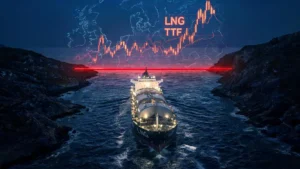
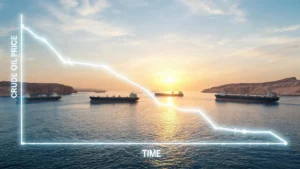
Immediate Market Reactions: Why TTF Gas Prices Tumbled Rapidly
The immediate reaction of the European natural gas benchmark to geopolitical de-escalation provides a fascinating case study in market psychology and premium unwinding. The sudden removal of immediate existential threats to Middle Eastern supply infrastructure caused a rapid liquidation of long positions held by speculative traders.
The Preliminary Framework of the US-Iran Peace Deal Explained
To grasp the future trajectory of the energy market, one must first dissect the fundamental components of the preliminary peace framework established in early 2026. The agreement is multifaceted, focusing primarily on the phased lifting of economic sanctions in exchange for rigorous, verifiable compliance regarding regional security protocols. Crucially for energy markets, the framework guarantees the unhindered passage of commercial vessels through previously contested maritime corridors.
This diplomatic consensus drastically alters the risk calculus for energy shipping. Insurers have already begun adjusting maritime premiums downwards, reflecting the stabilization of the Persian Gulf region. The immediate unfreezing of certain assets and the green light for infrastructural joint ventures signal a structural shift away from chronic supply disruption fears.
The Initial Plunge in European Natural Gas Benchmarks
When the news broke, the Title Transfer Facility (TTF) benchmark experienced a historical intraday plunge. Traders rapidly priced out the ‘war premium’ that had artificially inflated European natural gas costs for the past year. The market shifted its focus from catastrophic supply destruction to immediate fundamental supply-demand balances, which, due to robust European storage levels exiting the winter season, were surprisingly comfortable.
This initial plunge was exacerbated by algorithmic trading models executing massive sell orders as key technical support levels were breached. However, seasoned analysts recognize that initial shock reactions often overshoot fundamental realities. The physical delivery of gas and the restoration of optimized logistics networks take significantly longer than the instantaneous adjustment of paper contracts on trading screens.
Revised 2026 TTF Gas Price Forecasts by Top Analysts
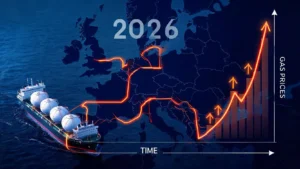
With the dust settling on the initial geopolitical shock, elite financial institutions have aggressively recalibrated their pricing models. The revised 2026 TTF gas price forecasts highlight a consensus towards stabilization, albeit at a floor considerably higher than pre-crisis historical averages, reflecting ongoing systemic inefficiencies.
Goldman Sachs and Major Institutions’ Updated Predictions
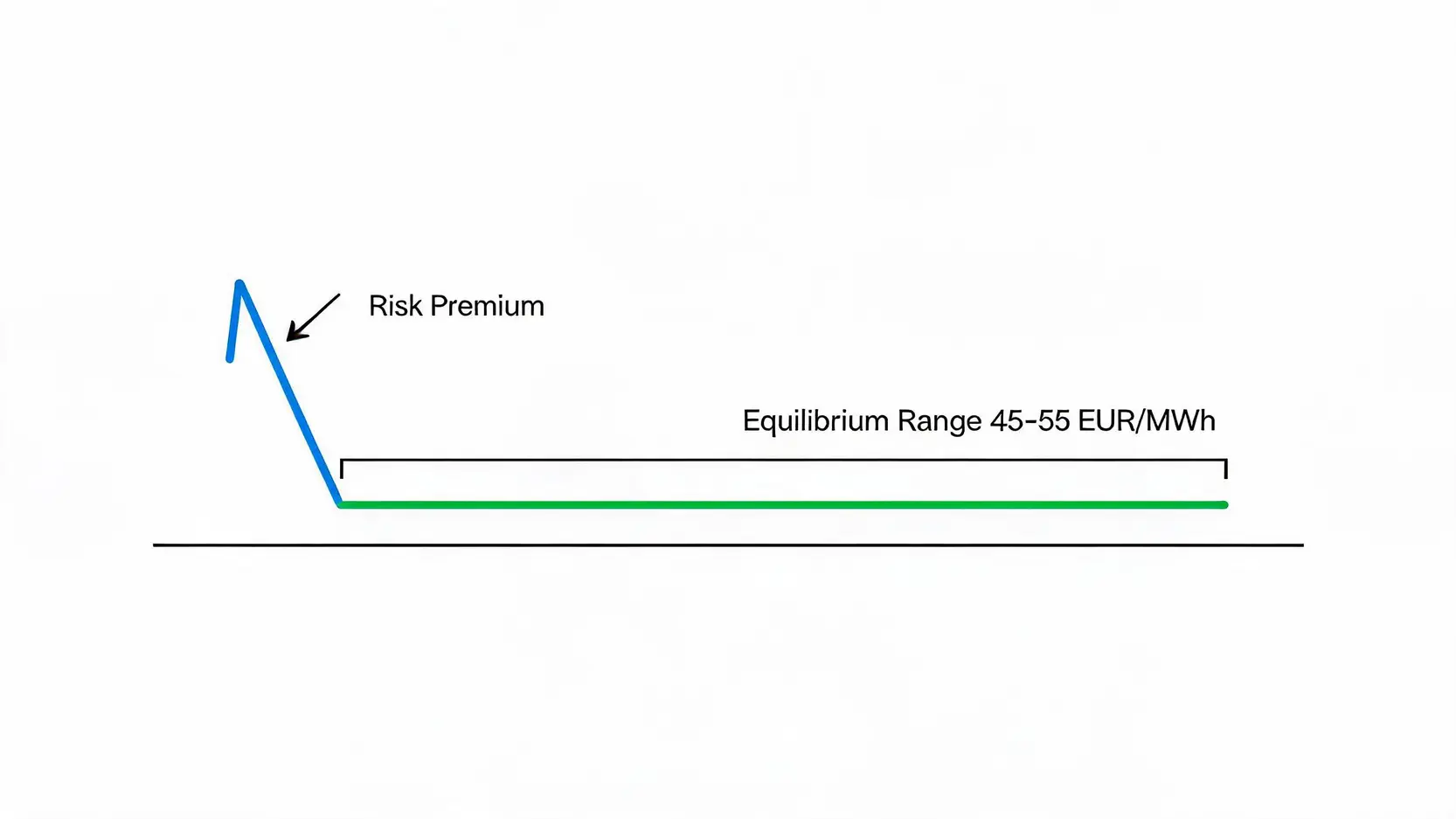
Recent reports from top-tier investment banks indicate a significant downward revision for near-term contracts. Notably, Goldman Sachs lowered its second-quarter European benchmark TTF gas price forecast to 50 euros per megawatt-hour (EUR/MWh). This adjustment is predicated on the assumption of gradual LNG flow normalization and a lack of severe weather-driven demand spikes.
Other major institutions share this sentiment, projecting an average trading range of 45 to 55 EUR/MWh through the latter half of 2026. This range acts as an equilibrium point, balancing the newly secured supply routes against the inherent costs of ramping up delayed maintenance on export facilities and the ongoing global competition for uncontracted LNG cargoes, particularly from Asian markets.
Timeframe for Market Normalization: Why It Will Take Months
Despite the optimistic forecasts, achieving absolute market normalization is a protracted endeavor. The physical infrastructure of global energy supply chains possesses immense inertia. It is critical to understand that legal frameworks, long-term procurement contracts, and physical logistics cannot pivot overnight.
- Shipping Logistics: Re-routing LNG carriers back to optimal paths through the Middle East requires complex logistical coordination. Vessels currently on extended routes around the Cape of Good Hope must complete their voyages before being integrated back into shorter, more efficient schedules.
- Facility Maintenance: Several key regional liquefaction facilities delayed critical maintenance during the height of the tensions. A scheduled backlog of maintenance turnarounds will temporarily cap export volumes even as political barriers dissolve.
- Inventory Replenishment: While European storage is currently adequate, the aggressive restocking required ahead of the 2026/2027 winter will maintain a steady baseline demand, preventing prices from collapsing entirely.
Consequently, traders should anticipate localized volatility and intermittent supply crunches over the next six to nine months as the physical market slowly aligns with the new diplomatic reality. For further insights into long-term pricing structures, reviewing our comprehensive Natural Gas Prices Forecast 2026 provides essential context on global supply constraints.
Reopening the Strait of Hormuz: The Game Changer for European LNG Supply
The most consequential operational outcome of the peace framework is the guaranteed security of the Strait of Hormuz. As the world’s most critical maritime chokepoint, facilitating nearly a fifth of global LNG trade, its unhindered operation is paramount for European energy security and the broader TTF natural gas market.
Qatar’s LNG Exports and the South Pars Gas Field Dynamics
The reopening acts as a massive operational relief valve for Qatar, one of Europe’s primary LNG suppliers. The elimination of extreme navigational risks allows for the maximization of export terminal capacities. Furthermore, the de-escalation stabilizes the operational environment surrounding the massive North Field/South Pars gas condensate field, shared by Qatar and Iran.
With sanctions easing, Iran’s potential phased re-entry into the global gas market, initially through pipeline exports to neighboring regions and eventually via LNG partnerships, introduces a formidable long-term bearish factor for global gas prices. While Iranian LNG export capacity remains years away from full realization, the mere prospect of this vast reserve being integrated into the global grid dampens long-term speculative buying.
Addressing the Supply Bottleneck: How Fast Can Shipping Operations Resume?
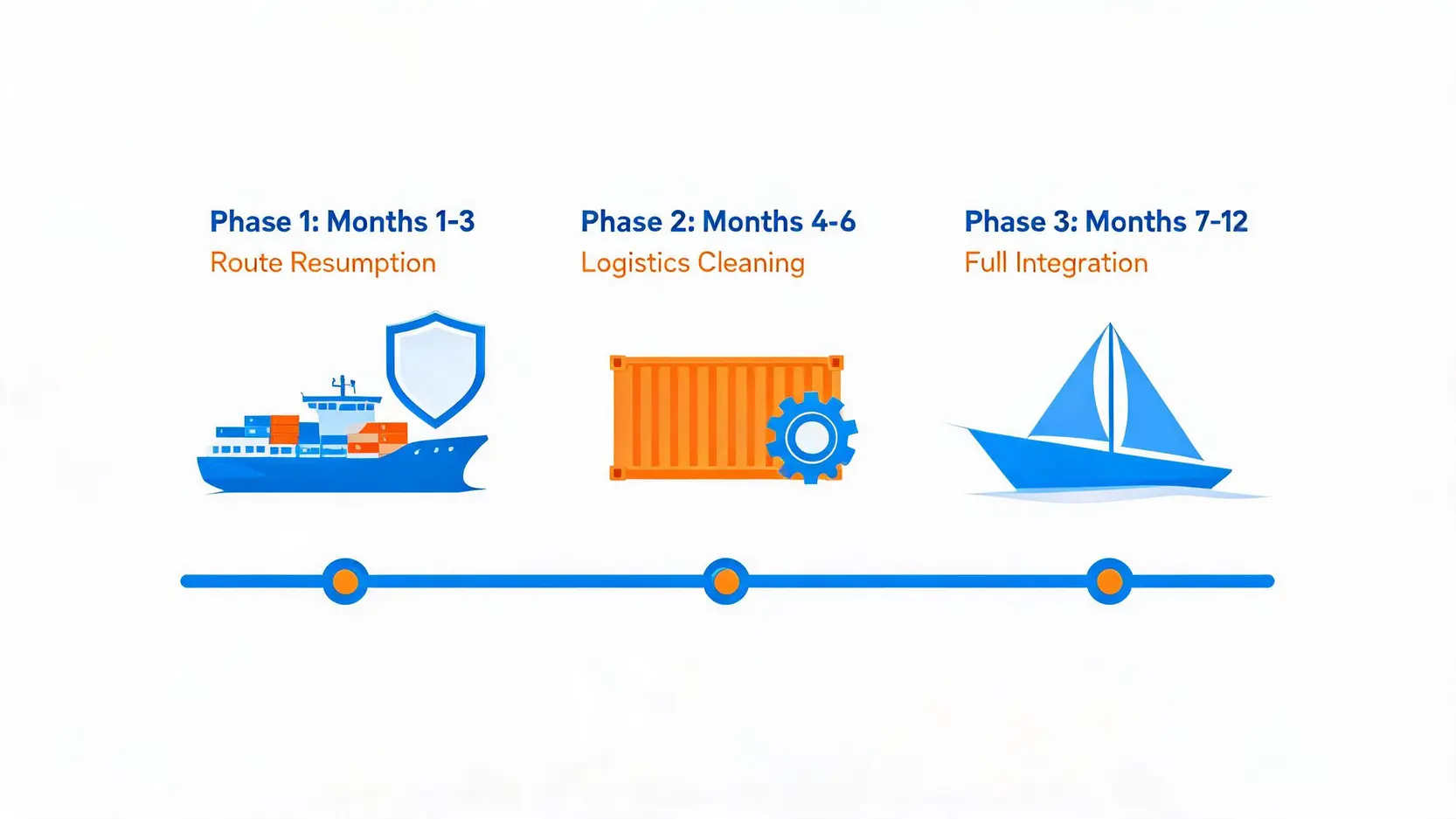
The operational pivot from crisis management to optimized shipping is complex. Maritime operators must renegotiate insurance contracts, rehire specialized crews that may have been redeployed, and recalibrate fleet management algorithms. The shipping bottleneck will likely ease in phases:
- Phase 1 (Months 1-3): Immediate reduction in insurance premiums and the resumption of standard navigation routes for large-scale LNG carriers already in the region.
- Phase 2 (Months 4-6): Clearing of the logistical backlog and the return of delayed spot cargoes to the European market.
- Phase 3 (Months 7-12): Full integration of normalized shipping schedules, resulting in a consistent, predictable flow of LNG to European regasification terminals.
Strategic Procurement Advice for Energy Traders and European Businesses
In this transitioning environment, adopting a dynamic procurement strategy is vital. The era of panic-buying at peak crisis prices is over, but complacency remains a risk. Businesses relying on European natural gas should consider layered hedging strategies.
Locking in a portion of required volumes at current downward-revised levels provides budget certainty. Concurrently, maintaining exposure to spot markets allows entities to capitalize on further price drops as shipping efficiency peaks in late 2026. Monitoring the exact flow rates through the Strait of Hormuz and regional storage injection rates will provide the most accurate leading indicators for short-term TTF price movements.
Conclusion: Adapting to the New Energy Market Reality
In summary, the TTF gas price forecast after the US-Iran peace deal points definitively toward a gradual market stabilization. The radical repricing witnessed in mid-2026 reflects a fundamental shift from crisis management back to traditional supply and demand economics. However, full structural recovery will require considerable patience as vital shipping routes like the Strait of Hormuz resume normal operations and maintenance backlogs are cleared.
Navigating these seismic shifts requires moving beyond headline trading. It demands closely monitoring institutional forecasts, understanding the physical lag in global LNG flows, and recognizing the new baseline costs of the European energy mix. Stay ahead of the curve by adjusting your energy procurement frameworks and trading strategies today, ensuring your portfolio is resilient against the fading echoes of geopolitical conflict and primed for a newly normalized, yet highly dynamic, energy landscape.
Frequently Asked Questions
How does the US-Iran peace deal directly affect European TTF gas prices?
The peace deal drastically reduces the geopolitical risk premium associated with Middle Eastern energy supplies. By securing the Strait of Hormuz, it ensures a more reliable and cheaper flow of LNG from major producers like Qatar to Europe, leading to institutional downgrades of TTF price forecasts and an immediate market sell-off.
Will European natural gas prices return to pre-war levels in 2026?
While prices have tumbled significantly, returning exactly to historic pre-war levels in 2026 is highly unlikely. Structural shifts in the market, including the permanent pivot away from certain pipeline suppliers, the high operational costs of global LNG logistics, and ongoing inflation, establish a new, higher baseline for normal market operations.
Why does the reopening of the Strait of Hormuz matter for Europe’s LNG supply?
The Strait of Hormuz is the sole maritime exit for LNG produced in the Persian Gulf. Approximately 20% of the world’s LNG passes through this chokepoint. Its secure reopening means faster, cheaper, and more reliable shipments to European regasification terminals, effectively ending the severe supply bottleneck fears that drove prices up.
What should traders monitor to predict the next TTF price movement?
Traders must closely watch three primary indicators: European storage injection rates leading into the winter, the physical volume of LNG tankers successfully navigating the Strait of Hormuz, and updated macroeconomic forecasts from leading banks regarding industrial energy demand in both Europe and Asia.