The China A-Share IPO rebound 2026 stands as a pivotal macroeconomic event for global institutional capital. Driven by aggressive advancements in domestic technology, AI stock investments 2026 and defining semiconductor market trends China are fundamentally altering the equity landscape. After a period of calibrated regulatory tightening and market consolidation, the mainland financial ecosystem has reopened its primary markets with a distinct strategic bias.
Capital is no longer chasing consumer internet platforms; instead, it is aggressively rotating toward hard-tech enterprises. This structural pivot reflects a broader mandate for technological self-reliance and supply chain security, creating a fertile ground for sophisticated investors seeking alpha in a highly bifurcated global market.
Table of Contents
The Strategic Catalyst Behind the Tech-Driven IPO Revival
Understanding the current primary market dynamics requires an examination of the geopolitical and macroeconomic underpinnings that govern mainland capital markets. In 2026, the tech-driven IPO revival is not merely a cyclical market correction but a calculated policy execution. Authorities have streamlined the listing processes on the STAR Market and ChiNext boards specifically for enterprises operating within critical infrastructure sectors.
Historically, liquidity was distributed across a broad spectrum of industries. Today, the focus is hyper-targeted. Firms specializing in advanced logic nodes, semiconductor manufacturing equipment (SME), and generative artificial intelligence architectures are receiving fast-tracked approvals. This paradigm shift mandates a recalibration of traditional valuation models. Investors assessing mainland technology listings must pivot from user-acquisition metrics to patent density, R&D expenditure ratios, and domestic market penetration capabilities.

- Policy Tailwinds: The prioritization of strategic emerging industries has resulted in optimized capital allocation, lowering the cost of capital for hard-tech firms.
- Liquidity Injection: Targeted monetary easing has stabilized the domestic currency, providing a conducive environment for institutional block purchases.
- Regulatory Clarity: The comprehensive overhaul of listing requirements in late 2025 has established a transparent, predictable pipeline for the China A-Share IPO rebound 2026.
AI Stock Investments 2026: The Core of Mainland Technology Listings
Artificial intelligence has transitioned from theoretical modeling to aggressive commercialization. For global portfolios, AI stock investments 2026 present a unique asymmetry in risk and reward, particularly within the mainland ecosystem. Chinese AI firms are rapidly deploying large language models (LLMs) tailored for industrial automation, smart city infrastructure, and autonomous mobility. The capital required to scale these operations is staggering, necessitating a robust primary market.
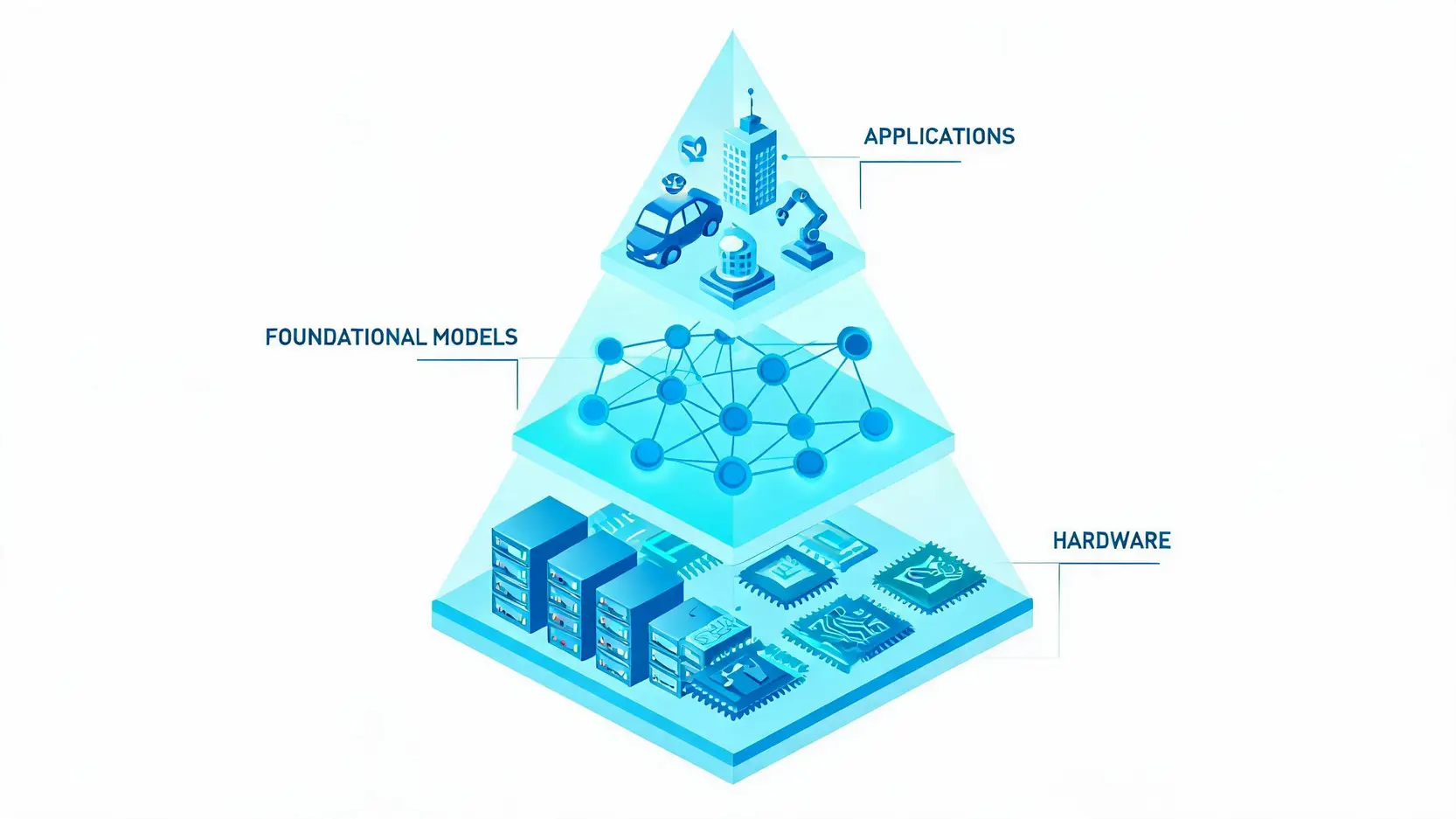
When analyzing these impending listings, it is critical to differentiate between foundational model developers and application-layer integrators. Foundational models require immense computational resources, directly linking their success to hardware availability. The interplay between software capabilities and hardware constraints is the defining narrative of this sector. To contextualize the broader ecosystem, examining how global players operate is essential. For instance, understanding the trajectory of AI infrastructure stocks 2026 provides a comparative baseline for valuing domestic mainland counterparts.
Valuation methodologies for these AI entities often rely on projected revenue multiples rather than trailing earnings, given their intensive capital expenditure cycles. Institutional analysts must rigorously evaluate the data proprietary to these firms, as data sovereignty regulations in 2026 have created insurmountable moats for established domestic players. 📈
Semiconductor Market Trends China: Fueling Hard-Tech Startup Funding
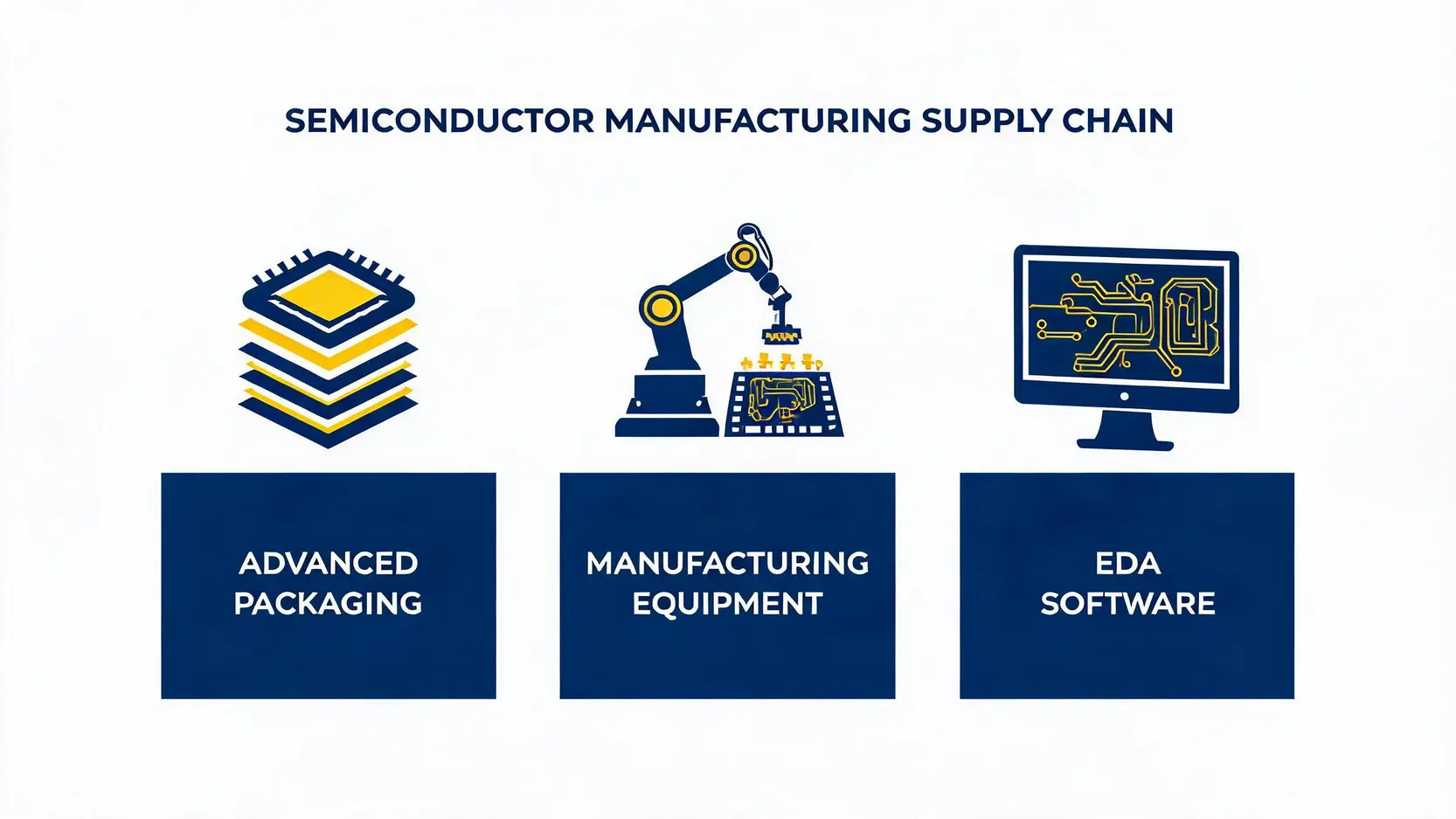
The semiconductor sector is the undeniable anchor of the current market resurgence. Semiconductor market trends China dictate that capital must flow toward addressing critical bottlenecks in the domestic supply chain, specifically in lithography, electronic design automation (EDA) software, and advanced packaging techniques. The surge in hard-tech startup funding is a direct response to international export controls, which have inadvertently accelerated domestic innovation cycles.
Recent data indicates a profound surge in institutional subscriptions for semiconductor IPOs. According to leading financial intelligence, the drive toward onshore listings is undeniable. In fact, a recent report from Reuters reported that Chinese AI, chip firms are driving an onshore IPO rebound, highlighting the massive influx of capital into firms capable of mitigating external supply shocks.
| Sub-Sector Focus | 2026 Growth Catalyst | Institutional Sentiment |
|---|---|---|
| Advanced Packaging | Chiplet architecture adoption bridging the node gap. | Highly Bullish |
| Semiconductor Equipment (SME) | Domestic fab expansion and equipment localization rates. | Bullish |
| EDA Software | Mandates for localized design toolchains. | Neutral to Bullish |
Furthermore, the interplay between international hardware constraints and domestic demand creates a complex trading environment. The ramifications of global chip distribution, such as the intricacies surrounding Nvidia H200 China sales, directly influence the valuation premiums awarded to domestic alternatives entering the A-Share market.
Strategic Capital Allocation: Mastering the Tech-Driven IPO Revival
Navigating the China A-Share IPO rebound 2026 requires more than mere capital deployment; it demands acute structural foresight. Institutional investors are pivoting toward syndicated participation in pre-IPO rounds, securing allocations before public market premiums apply. This strategy, while illiquid, captures the highest alpha in a market where retail enthusiasm can dramatically inflate post-listing valuations.
Risk management remains paramount. The tech-driven IPO revival is inherently volatile. While the macro policy supports these industries, execution risk at the enterprise level is severe. The capital burn rates for AI and semiconductor firms are historically high. Therefore, stress-testing balance sheets against prolonged R&D cycles without immediate commercial monetization is a mandatory analytical step.
To hedge against singular equity risk, sophisticated portfolios are increasingly utilizing diversified investment vehicles, such as sector-specific ETFs tracking the STAR 50 or ChiNext indices. This approach dilutes idiosyncratic company risk while maintaining exposure to the broader macroeconomic tailwinds propelling the technology sector.
Evaluating Market Liquidity and Institutional Inflows in 2026
The success of mainland technology listings relies heavily on the depth of market liquidity. In 2026, we are witnessing a substantial repatriation of capital by domestic institutional investors, alongside calibrated inflows through the Stock Connect programs. The alignment of state-backed funds with private capital creates a dual-engine liquidity structure that supports elevated valuations during the initial public offering phase.
However, analysts must monitor the lock-up expiration schedules of these hard-tech startup funding rounds. The sudden release of pre-IPO shares into the secondary market can trigger significant pricing anomalies. Establishing synthetic short positions or utilizing options strategies to hedge against post-lock-up volatility is a standard practice for maintaining portfolio stability during these liquidity events.
The Impact of Geopolitics on Mainland Technology Listings
Geopolitical friction remains a systemic variable in the valuation matrix of the China A-Share IPO rebound 2026. Export controls, tariff structures, and international supply chain bifurcations act as double-edged swords. While they restrict access to cutting-edge global technology, they simultaneously guarantee a captive domestic market for local innovators.
This dynamic forces a premium on companies demonstrating absolute self-sufficiency. Firms that have successfully excised vulnerable foreign components from their supply chains are awarded the highest valuation multiples. Consequently, due diligence processes must now incorporate forensic supply chain audits to verify claims of technological independence before committing capital to AI stock investments 2026 or semiconductor market plays.
Conclusion
The China A-Share IPO rebound 2026 is fundamentally reshaping the allocation strategies of global and domestic capital. By actively prioritizing AI stock investments 2026 and recognizing the critical semiconductor market trends China is experiencing, institutional investors can position themselves at the forefront of this tech-driven IPO revival. The transition from consumer platforms to deep-tech infrastructure marks a maturing of the mainland equity markets. While the execution risks and geopolitical headwinds require rigorous analytical frameworks, the potential for substantial alpha generation in hard-tech startup funding and subsequent public listings remains unparalleled. Strategic patience, meticulous supply chain analysis, and diversified exposure are the keys to mastering this complex but highly lucrative financial frontier.
Frequently Asked Questions
What is driving the China A-Share IPO rebound 2026?
The primary driver is a decisive regulatory and macroeconomic pivot toward technological self-sufficiency, specifically encouraging mainland technology listings for companies involved in artificial intelligence, semiconductor manufacturing, and critical digital infrastructure.
How do semiconductor market trends China impact valuations?
Due to global supply chain bifurcations, domestic semiconductor firms that demonstrate technological independence and localization of equipment are awarded significant valuation premiums by institutional investors seeking exposure to the tech-driven IPO revival.
Are AI stock investments 2026 highly volatile?
Yes, while the growth potential is massive, the sector exhibits high volatility due to intense capital expenditure requirements, long R&D cycles, and the execution risks associated with scaling foundational large language models in a hardware-constrained environment.
What should investors look for in hard-tech startup funding?
Investors must prioritize patent density, R&D to revenue ratios, supply chain autonomy, and the ability of the firm to secure state-backed contracts or subsidies, which act as a stabilizing floor for early-stage cash flows.
How has the regulatory landscape changed for mainland equity offerings?
In 2026, regulatory bodies have streamlined the approval process for strategic technology firms, creating a fast-track mechanism for deep-tech enterprises while imposing stricter profitability and compliance metrics on non-strategic consumer and legacy sectors.