The explosive growth of generative AI has triggered a massive supply shortage in high-bandwidth memory (HBM), positioning top memory chipmakers as the unsung heroes of the AI revolution. As investors evaluate the SK Hynix vs Micron, HBM stock, AI memory market share dynamics, identifying the most lucrative semiconductor investment opportunities and understanding the next-generation memory technology trends becomes crucial. While SK Hynix currently holds the lion’s share of the HBM market, Micron is making aggressive moves with its advanced tech roadmap. In this comprehensive guide, we will break down the HBM stock landscape, compare their technology advantages, and determine which company offers the best investment opportunity for the future of AI.
Table of Contents
The HBM Market Landscape: Why It Matters for AI Stocks and HBM Stock Evaluation
What is HBM and Its Essential Role in Generative AI?
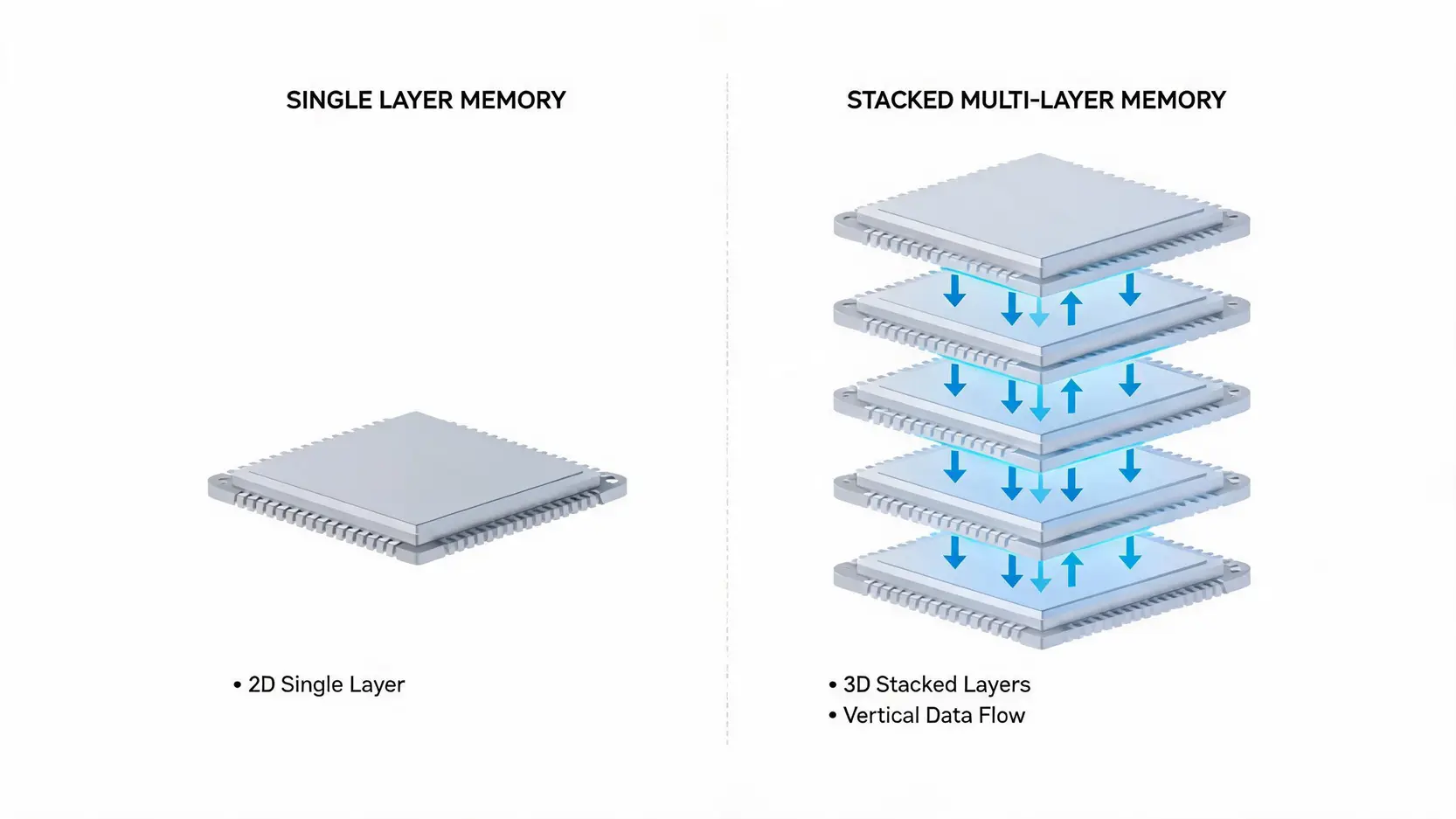
High-Bandwidth Memory (HBM) is the critical bottleneck in AI computing. Unlike traditional DRAM, HBM stacks memory chips vertically, drastically increasing data transfer speeds while reducing power consumption. For hyper-scale data centers running complex language models, pairing powerful GPUs with advanced HBM is non-negotiable. This structural dependency ensures that the leading HBM suppliers essentially act as a toll bridge for the broader AI expansion.
Current Market Share: SK Hynix’s Lead vs. Micron’s Rapid Rise
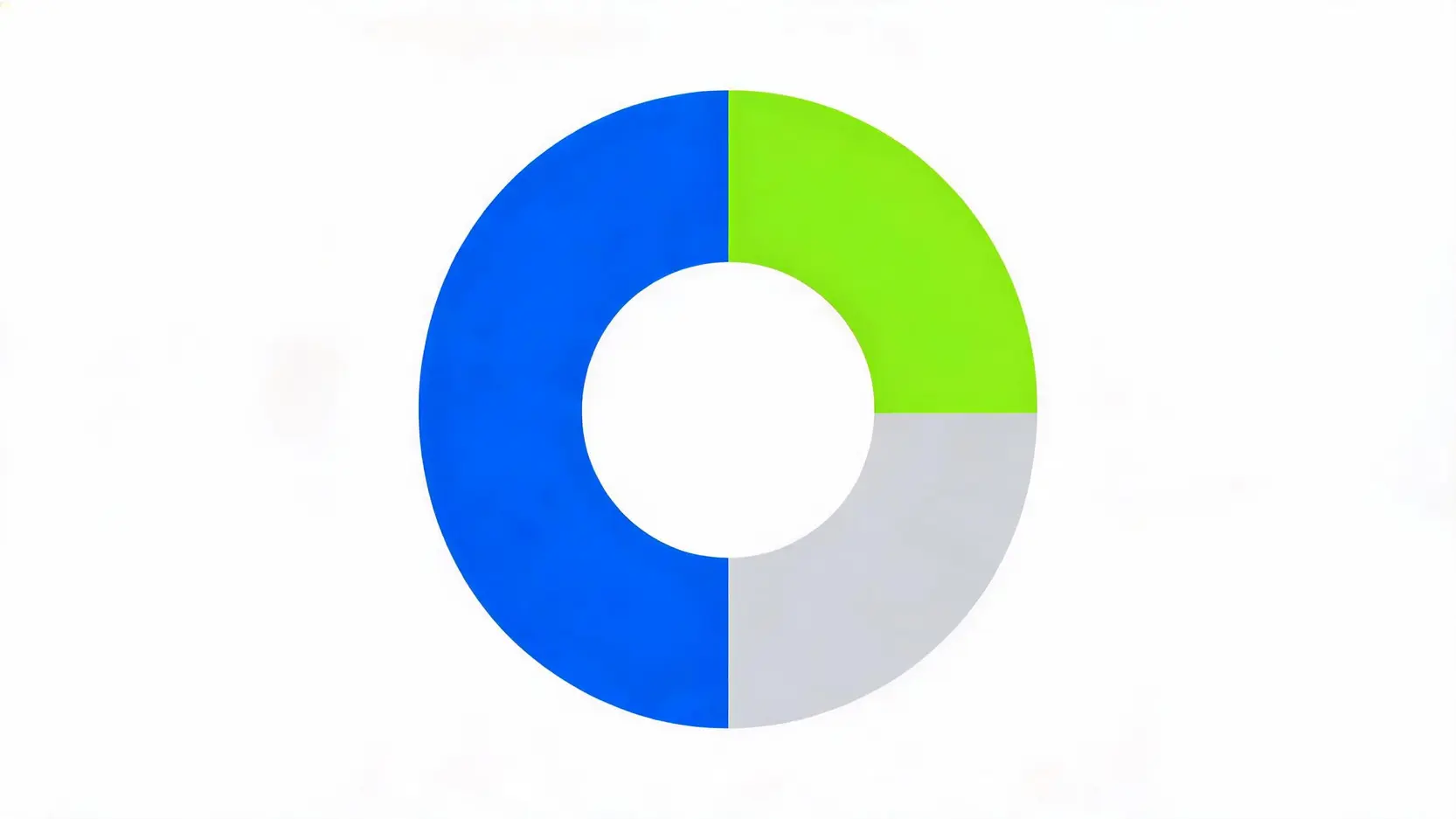
As of mid-2026, SK Hynix commands approximately 50% to 55% of the total HBM market share, leveraging its early qualifications and deep-rooted relationship with Nvidia. However, Micron is aggressively expanding. Having secured multi-year contracts, Micron’s HBM capacity is reportedly sold out through 2026, propelling its market share upward from historical single digits to an expected 20% to 25%. This rapid volume expansion forces analysts to re-evaluate the traditional memory hierarchy. For a broader perspective on market dynamics, reputable analyses on Micron’s strategic HBM expansion highlight this aggressive catch-up play.
Technology Roadmap Comparison: From HBM3E to HBM4 in the AI Memory Market Share Race
SK Hynix’s Advanced Packaging and Yield Rate Advantages
SK Hynix’s competitive moat lies in its proprietary Mass Reflow Molded Underfill (MR-MUF) packaging technology. This process provides superior thermal dissipation and structural stability, leading to industry-leading yield rates. High yield rates are paramount in HBM manufacturing, as a single defective layer can ruin the entire expensive stack. As the industry transitions toward 12-high and 16-high HBM4 stacks, SK Hynix’s proven packaging reliability serves as a massive operational advantage.
Micron’s Aggressive Architectural Bets and Patent Strategies
Micron leaped directly to HBM3E, skipping earlier iterations to close the technological gap. Their 8-high and 12-high HBM3E modules boast exceptional power efficiency, reportedly consuming significantly less energy than competitors. This power efficiency is a major selling point for power-constrained data centers. Furthermore, Micron is investing heavily in advanced node capabilities and hybrid bonding technologies for future HBM4 deployments, aiming to challenge the incumbent packaging standards.
Financial Performance & Supply Chain Dominance: Analyzing the Best HBM Stock
Translating HBM Tech into Revenue and Gross Margins
The pricing power of HBM is profoundly altering the financial profiles of memory makers. HBM commands a significant premium over standard DDR5 DRAM. Consequently, the company that can shift a larger percentage of its total output toward high-margin HBM will experience outsized gross margin expansion. SK Hynix currently benefits from this immediate revenue stability, while Micron’s forward guidance indicates a massive profitability inflection point as its HBM3E production scales throughout 2026.
The Nvidia Factor: Who Secures the Biggest Blackwell GPU Allocations?
Securing qualifications for Nvidia’s next-generation Blackwell AI GPUs is the ultimate catalyst. SK Hynix remains the primary supplier, ensuring a predictable revenue baseline. However, Nvidia’s strategy to diversify its supply chain directly benefits Micron. By qualifying Micron’s HBM3E for upcoming accelerators, Nvidia mitigates its own supply risks while injecting massive capital into Micron’s order book. Investors monitoring the NVDA stock forecast must track these memory allocations closely.
Capacity Constraints, CapEx Strategies, and the Looming Threat from Samsung
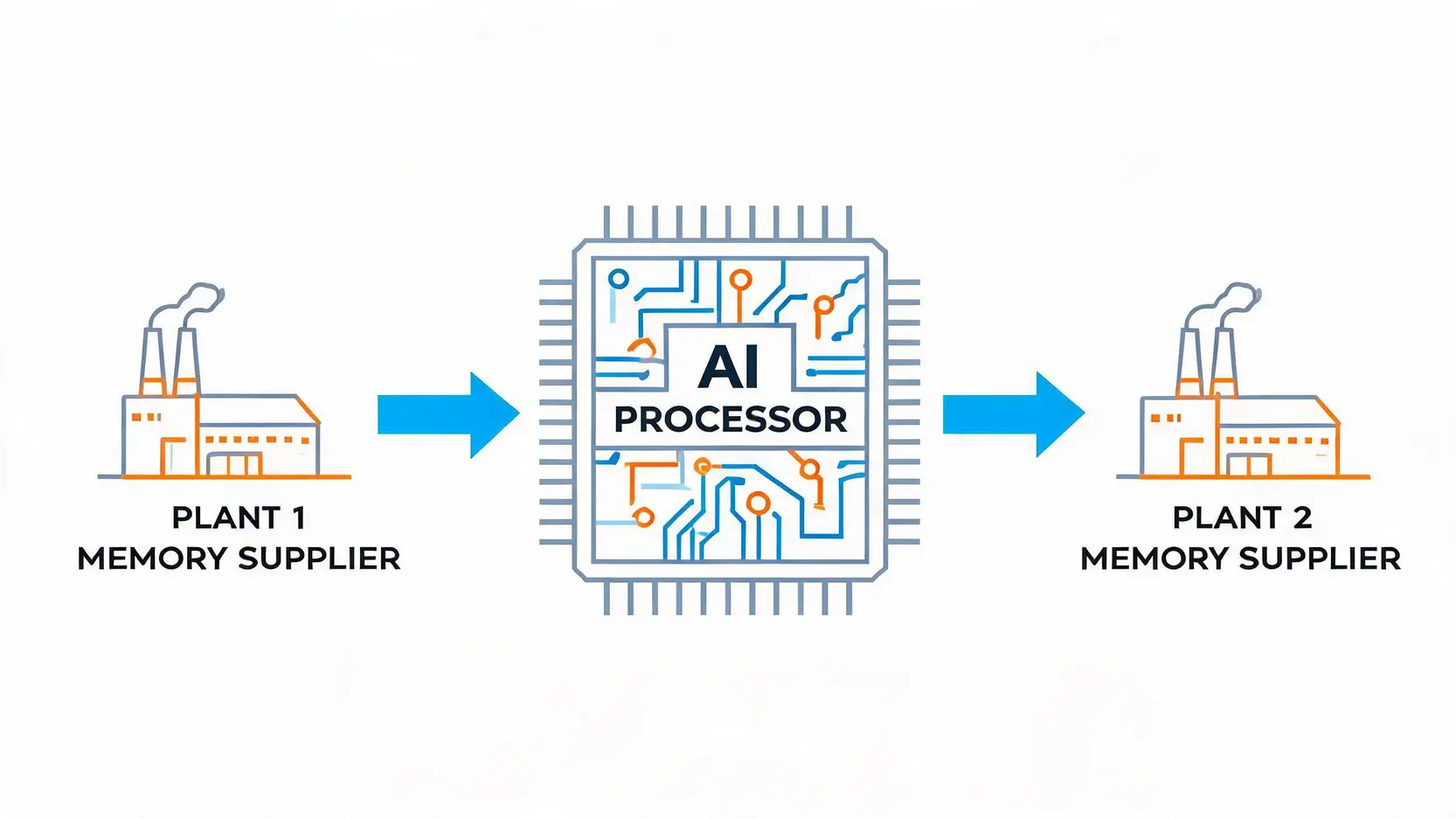
Both companies face severe capacity constraints. Expanding HBM production requires massive Capital Expenditure (CapEx) and long lead times for advanced packaging equipment. Overcommitting CapEx risks oversupply if AI demand falters, while underinvesting forfeits market share. Additionally, Samsung, the traditional memory titan, is aggressively restructuring to reclaim its lost footing in the HBM arena. Samsung’s immense capital resources pose a structural threat to both SK Hynix’s dominance and Micron’s growth trajectory.
Conclusion
Choosing between SK Hynix vs Micron as your preferred HBM stock ultimately depends on your investment strategy. SK Hynix offers proven market dominance and immediate revenue stability tied to Nvidia’s success, while Micron presents a compelling growth narrative fueled by its leapfrog technology in HBM3E and beyond. Keep a close eye on their upcoming earnings reports and CapEx expansions, as the true winner of the AI memory war will be the one who can scale production without sacrificing yield rates.
Frequently Asked Questions
Is SK Hynix a better stock to buy than Micron right now?
The optimal choice depends on risk tolerance. SK Hynix offers stability and established dominance, acting as a direct proxy for current AI hardware deployment. Micron represents a higher-beta growth play, offering greater upside potential if it successfully executes its aggressive capacity expansion and market share capture strategies.
Can Micron realistically catch up to SK Hynix in HBM market share?
While overtaking SK Hynix in total volume by 2026 is highly improbable due to existing capacity constraints, Micron is successfully establishing itself as a formidable dual-source supplier. Its goal is not necessarily immediate supremacy, but securing a highly profitable 20% to 30% structural share of the premium memory market.
How does Samsung fit into the SK Hynix vs Micron HBM competition?
Samsung is the wildcard. Despite initial delays in qualifying its HBM3E with top-tier clients, its unparalleled manufacturing scale means that once technical hurdles are cleared, it can flood the market with supply. Investors must monitor Samsung’s qualification progress, as its reentry will inevitably impact pricing dynamics for both SK Hynix and Micron.